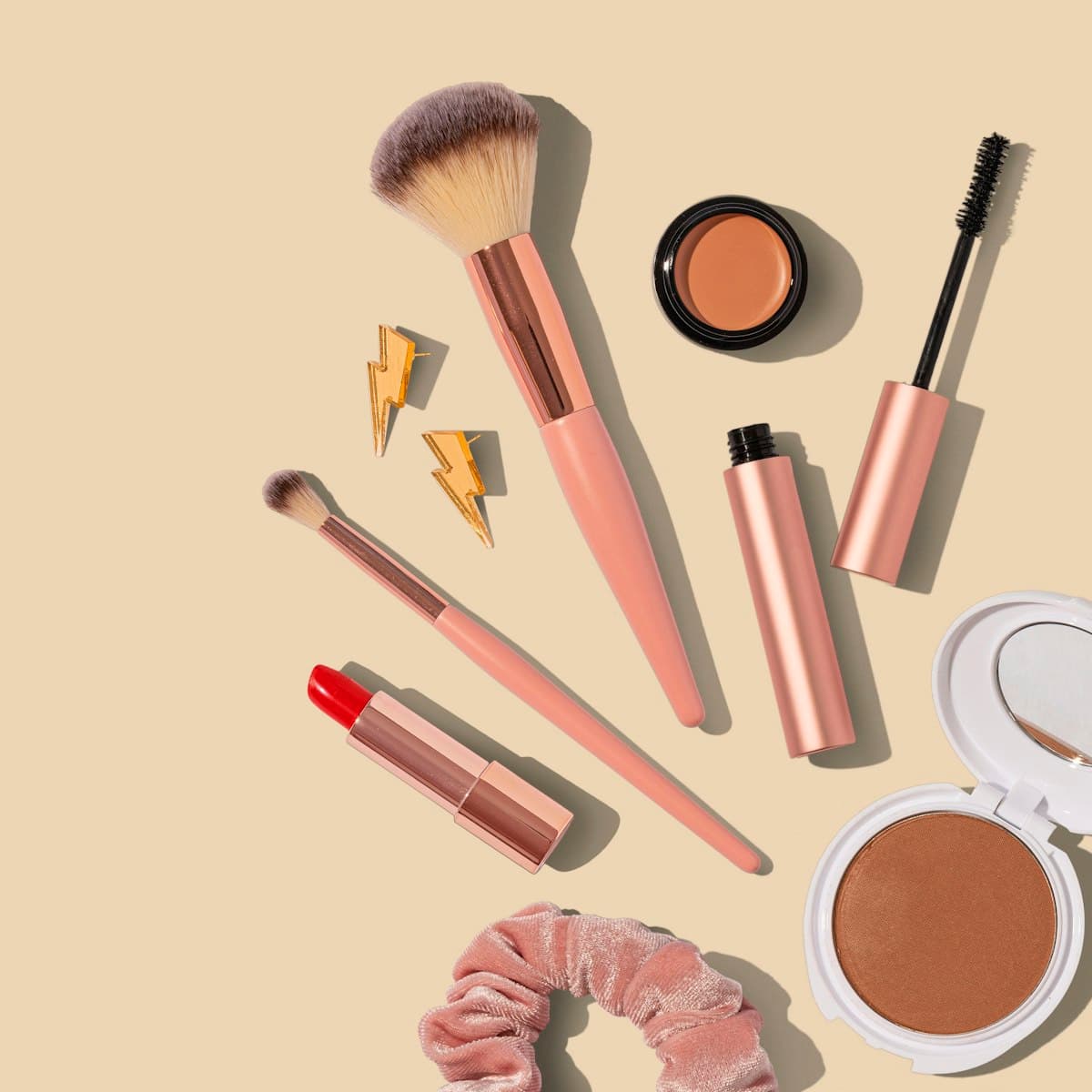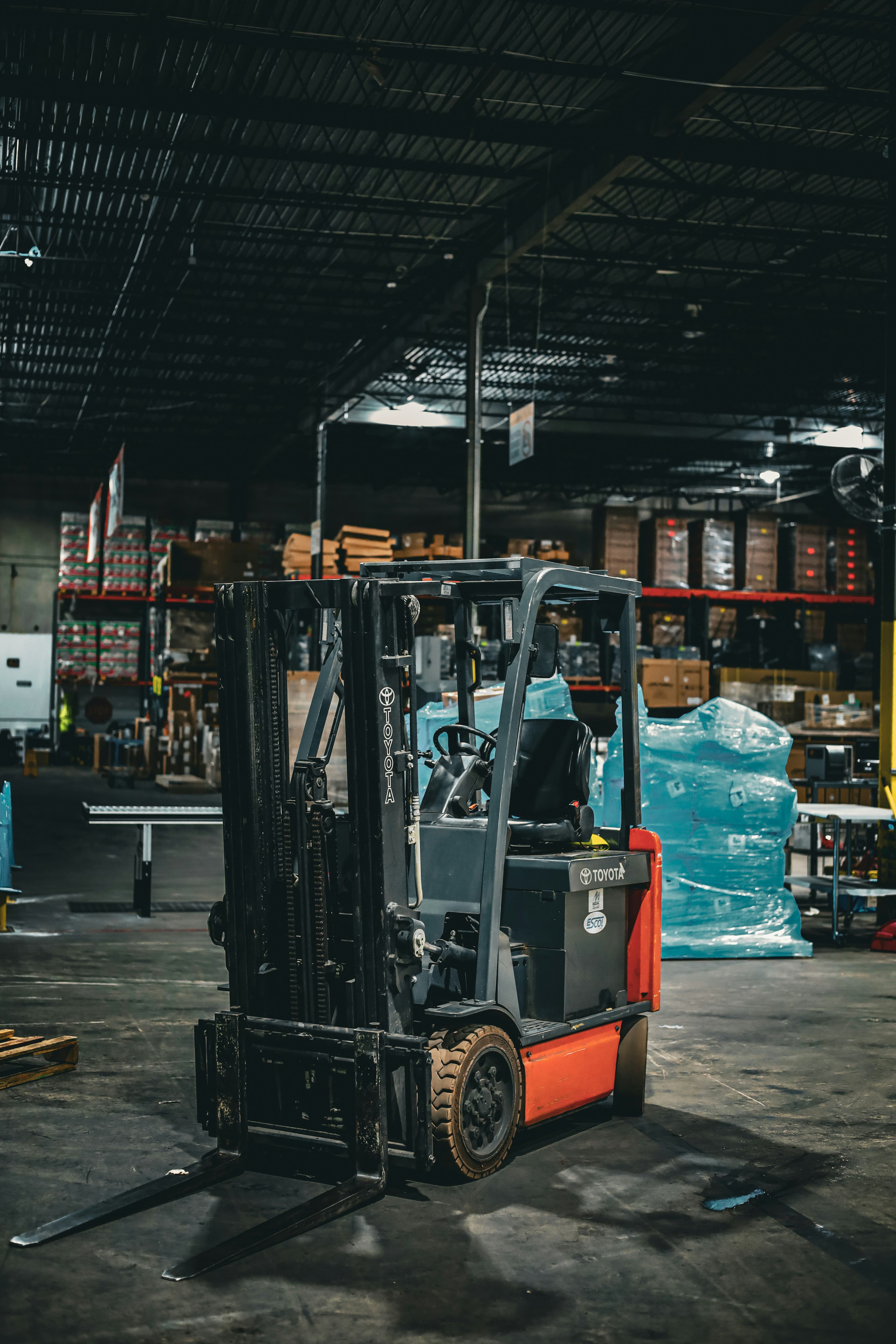
Cosmetics fulfillment requires more than standard warehouse operations. Between FDA regulations, temperature-sensitive formulas, fragile packaging, and the premium unboxing experience customers expect, most fulfillment centers simply aren't equipped to handle beauty products properly.
At 3PLGuys, we operate from an FDA-registered, cGMP-compliant facility in Paramount, CA. Climate-controlled storage, lot tracking with FEFO rotation, fragile handling protocols, and same-day shipping for orders before 2 PM PT. We've handled cosmetics fulfillment for brands shipping 500 to 50,000+ orders monthly.
This guide covers every requirement cosmetics brands need to understand before selecting a fulfillment partner.
Why Cosmetics Fulfillment Is Different
Cosmetics aren't standard consumer goods. The products themselves, the packaging, and the regulations all demand specialized handling:
- Formulas degrade — Active ingredients in serums oxidize, emulsions separate, and pigments fade when stored improperly
- Temperature matters — Heat accelerates degradation, cold can damage emulsions and cause separation
- Glass packaging dominates — Foundation bottles, serum droppers, and perfume bottles are fragile
- Shelf life tracking is mandatory — Expired cosmetics are liability issues and customer complaints waiting to happen
- FDA oversight is increasing — MoCRA (Modernization of Cosmetics Regulation Act) added new requirements in 2023-2024
- Premium presentation expected — A damaged box ruins the experience of a $150 foundation
A fulfillment center that handles electronics or apparel will struggle with cosmetics. The operational requirements are fundamentally different.
FDA Requirements for Cosmetics Fulfillment
The FDA regulates cosmetics under the Federal Food, Drug, and Cosmetic Act. The 2022 MoCRA legislation expanded these requirements significantly.
Facility Registration
As of 2023, facilities that manufacture or process cosmetics must register with the FDA. This includes fulfillment centers that perform any of the following:
- Relabeling products
- Kitting or bundling cosmetics
- Repackaging from bulk
- Any processing beyond simple storage and shipping
Pure storage-and-ship operations may not require registration, but any value-added services likely do. Your fulfillment partner should clarify their registration status.
Product Listing Requirements
Brands must list their cosmetic products with the FDA, including:
- Product name and category
- Ingredient list
- Facility where manufactured/processed
Your 3PL doesn't file these listings — that's the brand's responsibility — but they should understand the system and provide facility information when needed.
Good Manufacturing Practice (GMP)
MoCRA requires cosmetics to be manufactured in accordance with good manufacturing practices. For fulfillment, this translates to:
| Requirement | What It Means for Fulfillment |
|---|---|
| Cleanliness | Warehouse areas free of contamination |
| Documentation | Records of storage conditions, lot tracking |
| Training | Staff trained on cosmetics handling |
| Pest control | Documented pest prevention program |
| Temperature monitoring | Climate control with recorded logs |
A cGMP-compliant fulfillment facility has systems in place for all of these requirements.
Adverse Event Reporting
MoCRA requires brands to report serious adverse events to the FDA within 15 days. Your fulfillment partner should have processes to:
- Flag and quarantine products involved in complaints
- Provide lot and batch information quickly
- Support recall procedures if needed
Labeling Requirements
Cosmetics labeling is regulated by both the FDA and FTC. Your fulfillment partner handles products after labeling, but should understand requirements to catch issues during receiving.
Required Label Elements
| Element | Requirement |
|---|---|
| Identity statement | What the product is (e.g., "Moisturizing Cream") |
| Net contents | Weight or volume in metric and US units |
| Ingredient list | Descending order by predominance |
| Warning statements | Required for specific ingredients (e.g., sunscreens) |
| Business name/address | Manufacturer, packer, or distributor |
Common Labeling Issues Caught at Receiving
A good cosmetics 3PL inspects incoming inventory for:
- Missing or illegible required information
- Damaged labels that obscure required elements
- Incorrect net contents declarations
- Products without lot codes or expiration dates
Catching these issues before inventory enters your active stock prevents shipping non-compliant products to customers.
Temperature and Storage Requirements
Temperature control separates cosmetics-capable fulfillment from general warehousing.
Temperature Ranges by Product Type
| Product Category | Ideal Storage | Risk If Exceeded |
|---|---|---|
| General cosmetics | 59-77°F (15-25°C) | Texture changes, separation |
| Vitamin C serums | 50-70°F (10-21°C) | Oxidation, color change |
| Retinol products | 50-70°F (10-21°C) | Potency loss |
| Lipsticks/balms | Below 77°F (25°C) | Melting, sweating |
| Nail polish | 60-75°F (15-24°C) | Thickening, separation |
| Natural/organic | 50-70°F (10-21°C) | Faster degradation (fewer preservatives) |
| Fragrances | 59-77°F (15-25°C) | Scent degradation |
The Loading Dock Problem
Climate control inside the warehouse means nothing if products sit on a hot loading dock for hours. In California summers, dock temperatures exceed 100°F. Questions to ask:
- Is the receiving dock temperature-controlled?
- What's the maximum time products spend in non-climate areas?
- How are temperature-sensitive shipments prioritized?
Humidity Considerations
High humidity damages cosmetics packaging — labels peel, boxes warp, and powder products can absorb moisture. Look for:
- Humidity monitoring (ideal: 30-50% relative humidity)
- Dehumidification in storage areas
- Climate logs available for audit
Packaging and Fragile Handling
Cosmetics packaging is designed to look premium, not to survive rough handling. Glass dominates the category.
Glass Breakage Prevention
| Practice | Why It Matters |
|---|---|
| Bubble wrap or foam inserts | Absorbs shock during transit |
| Right-sized boxes | Prevents products shifting |
| "Fragile" labeling | Alerts carriers (helps, doesn't guarantee) |
| Double-boxing for glass | Inner box protects, outer box ships |
| Trained pick/pack staff | Handling awareness reduces drops |
Breakage Rate Benchmarks
| Performance Level | Breakage Rate |
|---|---|
| Excellent | Less than 0.1% |
| Good | 0.1-0.3% |
| Acceptable | 0.3-0.5% |
| Poor | Above 0.5% |
Ask potential fulfillment partners for their cosmetics breakage rates. If they don't track this specifically, that's a red flag.
Lot Tracking and Expiration Management
Cosmetics have shelf lives. Proper lot tracking prevents shipping expired products and enables recalls if needed.
FEFO vs. FIFO
| Method | Meaning | Best For |
|---|---|---|
| FIFO | First In, First Out | Products with long/consistent shelf life |
| FEFO | First Expired, First Out | Products with varying expiration dates |
FEFO is superior for cosmetics because expiration dates vary by batch. A FIFO system might ship newer inventory while older stock expires in the warehouse.
Expiration Alert Thresholds
Configure alerts for products approaching expiration:
- 90 days out: Flag for promotional use or B2B channels
- 60 days out: Consider discounting or sampling programs
- 30 days out: Pull from active inventory
- Expired: Quarantine and destroy
Recall Readiness
If a product issue requires a recall, you need:
- Complete lot tracking to identify affected units
- Customer order history linked to lot numbers
- Ability to quarantine remaining inventory immediately
What to Look for in a Cosmetics Fulfillment Partner
Must-Have Capabilities
- FDA-registered facility — Required if any processing occurs
- cGMP compliance — Documented quality systems
- Climate-controlled storage — Temperature and humidity monitoring
- Lot tracking with FEFO — Expiration management
- Fragile handling protocols — Trained staff, appropriate materials
- Sub-1% error rate — Accuracy is non-negotiable
Questions to Ask
- Are you FDA-registered? Can I see the registration?
- What's your temperature range and how is it monitored?
- Do you use FEFO or FIFO rotation?
- What's your cosmetics-specific breakage rate?
- How do you handle fragile/glass products?
- What's your process for expiration management?
- Can you support a recall within 24 hours?
Red Flags
- No FDA registration but offering "kitting" or "bundling"
- Can't provide temperature logs
- No separate breakage tracking for cosmetics
- FIFO-only systems
- Loading docks without climate control
The Cost of Getting It Wrong
Cosmetics fulfillment mistakes are expensive:
| Issue | Consequence |
|---|---|
| Temperature damage | Product returns, refunds, lost customer trust |
| Broken glass | Replacements, negative reviews, injury liability |
| Expired product shipped | Complaints, potential health issues, brand damage |
| Labeling non-compliance | FDA warning letters, forced recalls |
| Poor presentation | Returns, lost repeat customers |
The premium you pay for a cosmetics-capable fulfillment partner is insurance against these costs.
Getting Started with Cosmetics Fulfillment
If you're evaluating fulfillment partners for your cosmetics brand, start with these steps:
- Audit your product requirements — Temperature sensitivity, glass packaging, expiration timelines
- Document your SKU complexity — Variants, kits, seasonal products
- Define your quality standards — Acceptable breakage rate, error rate targets
- Request facility tours — See temperature monitoring, storage conditions, pack stations
- Ask for references — Talk to other cosmetics brands they serve
At 3PLGuys, we offer facility tours and can connect you with current cosmetics clients for references. Request a quote to discuss your specific requirements.
Summary
Cosmetics fulfillment requires specialized capabilities that most general warehouses lack. FDA compliance through facility registration and GMP practices, temperature-controlled storage with documented monitoring, lot tracking with FEFO rotation, and fragile handling protocols are all non-negotiable for beauty brands.
The consequences of choosing an inadequate fulfillment partner — damaged products, compliance issues, customer complaints — far outweigh any savings from cheaper alternatives. Invest in a partner equipped for cosmetics from day one.