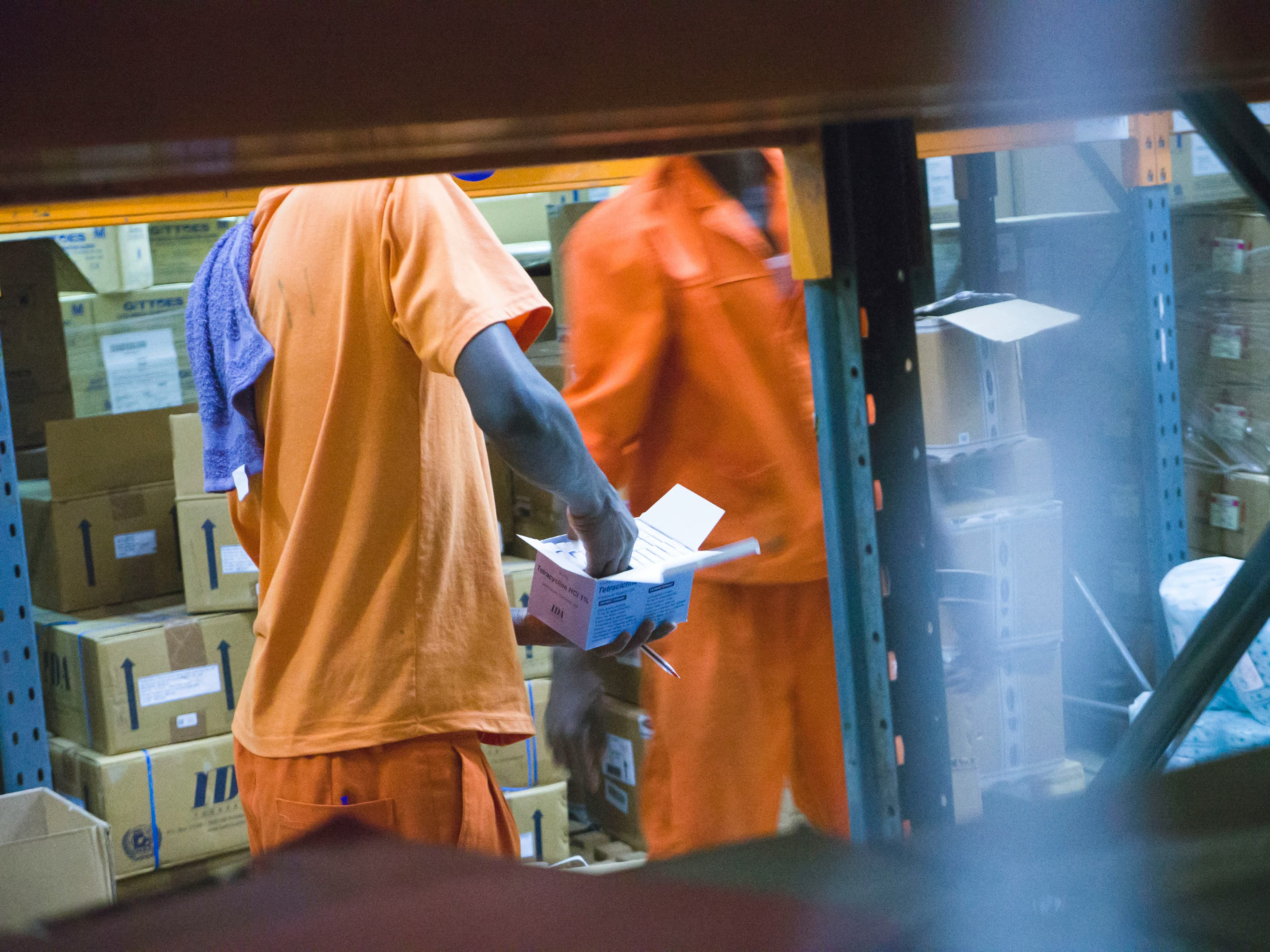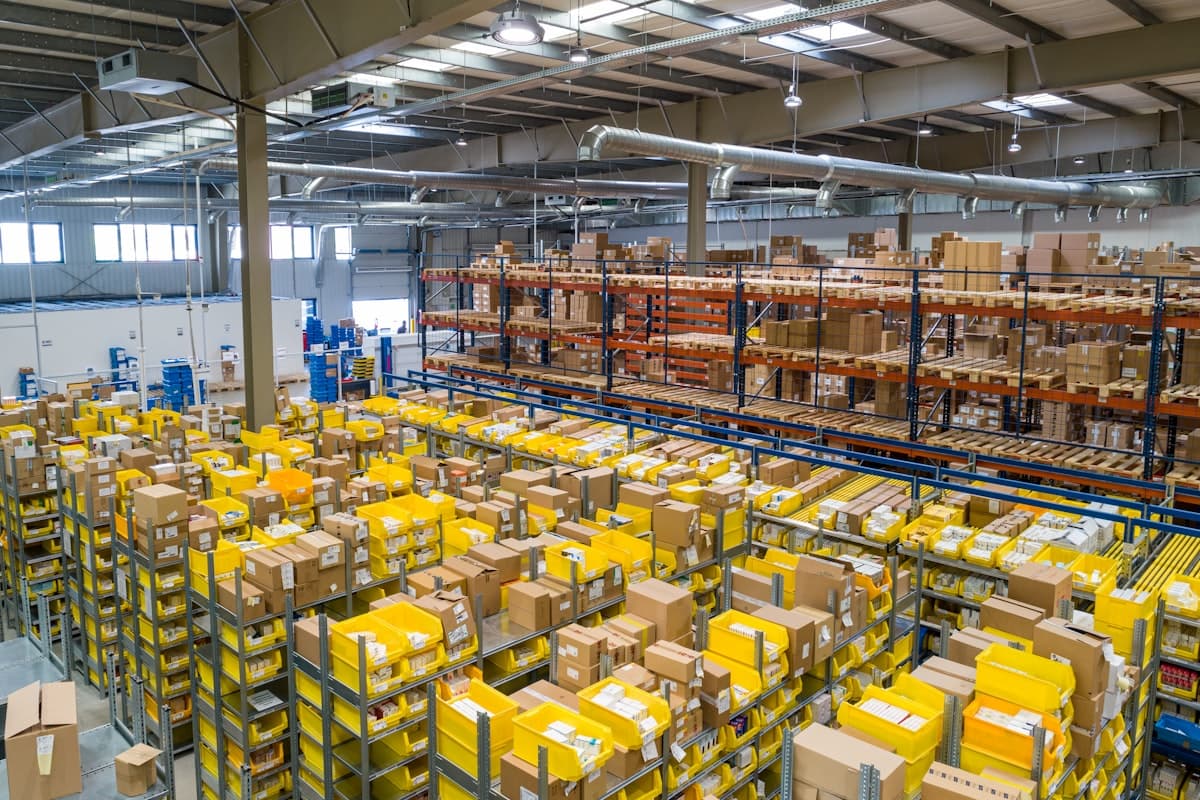
Peptides are among the most temperature-sensitive products in the fulfillment world. Unlike shelf-stable goods that can survive a hot warehouse or delayed shipment, peptides require precise temperature control at every stage — from manufacturing through final delivery. At 3PLGuys, we've handled peptide fulfillment from our FDA-registered, temperature-controlled facility in Paramount, CA for years — and we've seen firsthand what happens when cold chain breaks.
Getting cold chain wrong doesn't just mean a ruined product. It means customers receiving peptides that look normal but have degraded into inactive compounds. Returns, refunds, and reputation damage follow.
This guide covers everything sellers need to know about peptide cold chain requirements, from the science of why temperature matters to practical packaging solutions and what to look for in a fulfillment partner.
Why Peptides Need Cold Chain
Peptides are chains of amino acids linked by peptide bonds. These bonds are sensitive to environmental conditions — particularly temperature, moisture, and light.
When peptides are exposed to elevated temperatures, several degradation processes accelerate:
- Hydrolysis — peptide bonds break down when exposed to heat and moisture
- Oxidation — amino acids like methionine and cysteine oxidize faster at higher temperatures
- Aggregation — heat causes peptide molecules to clump together, forming inactive aggregates
- Deamidation — asparagine and glutamine residues convert to different amino acids
The rate of these reactions roughly doubles with every 10C increase in temperature. A peptide stable for years at -20C might degrade significantly within weeks at room temperature, or within days at elevated temperatures.
Temperature Requirements by Peptide Type
Not all peptides require the same conditions. Temperature requirements vary based on molecular structure, stability profile, and formulation.
General Temperature Guidelines
Most peptides fall into these temperature ranges:
- Long-term storage: -20C to -80C (-4F to -112F)
- Short-term storage: 2-8C (36-46F) for days to weeks
- Shipping (lyophilized): Can tolerate ambient up to 25C (77F) for short periods
- Shipping (reconstituted): Must maintain 2-8C (36-46F) throughout transit
Temperature-Sensitive Peptides
Certain peptides are particularly vulnerable:
- Large peptides and proteins — more complex structures have more degradation points
- Peptides containing methionine or cysteine — sulfur-containing amino acids oxidize readily
- Peptides with multiple disulfide bonds — structural elements can rearrange at elevated temperatures
- Glycopeptides — sugar attachments add additional degradation pathways
When in doubt, assume the stricter requirement. The cost of cold chain is far less than degraded product.
Lyophilized vs Reconstituted Peptides
The physical form of a peptide dramatically affects its temperature requirements.
Lyophilized (Freeze-Dried) Peptides
Lyophilization removes water, leaving a dry powder with significant stability advantages:
- No water means slower degradation — virtually all peptide degradation pathways require water
- Reduced oxidation — dry conditions slow oxidation reactions
- No microbial growth — bacteria and fungi need moisture to survive
- Better thermal stability — dry peptides tolerate temperature fluctuations better
Most lyophilized peptides can tolerate ambient temperatures (up to 25-30C) for transit periods under 5 days without significant degradation. Some studies suggest transit temperatures up to 40C for 5 days are acceptable for many research peptides.
However, long-term storage still requires -20C or colder. And moisture protection is critical — a lyophilized peptide exposed to humidity degrades faster than a properly sealed peptide exposed to moderate heat.
Reconstituted Peptides
Once reconstituted in water or buffer solution, peptides become dramatically more vulnerable:
- Must maintain 2-8C continuously — no reconstituted peptides should ship at ambient temperature
- Degrade within hours at room temperature — can begin losing activity within 2-4 hours
- Freeze-thaw sensitivity — repeated freezing and thawing accelerates degradation
- Limited shelf life — even refrigerated, reconstituted peptides remain stable only 2-4 weeks
For shipping reconstituted peptides, dry ice or frozen gel packs are often required.
Storage Requirements
Proper storage is the foundation of peptide cold chain. Perfect shipping can't salvage peptides stored incorrectly before fulfillment.
Warehouse Temperature Zones
At 3PLGuys, we maintain multiple temperature zones for peptide storage:
- Frozen storage (-20C) — standard long-term peptide storage
- Deep frozen (-80C) — highly sensitive peptides requiring maximum stability
- Refrigerated (2-8C) — reconstituted peptides and short-term staging
Humidity and Light Control
For lyophilized peptides, humidity is as important as temperature. Storage areas should maintain relative humidity below 50%, with sensitive peptides stored with desiccants.
Many peptides are also photosensitive. Storage areas should minimize light exposure, and peptides should be kept in amber vials or opaque containers.
Shipping Temperature Control
Transit is where cold chain is most vulnerable. Products leave the controlled warehouse and enter hot trucks, delayed flights, and sunny doorsteps.
Transit Time Considerations
The longer the transit, the more robust the packaging must be:
- Overnight (12-24 hours) — standard gel pack packaging usually sufficient for lyophilized peptides
- 2-day (24-48 hours) — requires more refrigerant and better insulation
- 3-5 day — requires premium insulation and extra refrigerant
- International — requires specialized cold chain logistics, often with active cooling
Summer shipping is particularly challenging. When ambient temperatures exceed 35C, even well-packaged shipments can experience excursions.
Carrier Selection
Look for carriers with:
- Dedicated cold chain services — FedEx Priority Overnight, UPS Temperature True
- Temperature-controlled holding facilities — for delayed packages
- Reliable transit times — delays are more damaging for peptides
- Real-time tracking — visibility into package location
Packaging Solutions
Cold chain packaging must maintain target temperatures from warehouse departure until customer receipt.
Insulated Containers
- Expanded polystyrene (EPS) foam coolers — common, cost-effective
- Polyurethane foam containers — better insulation, higher cost
- Vacuum insulated panels (VIPs) — premium option for extended transit
- Reflective insulated liners — lightweight for shorter transits
Refrigerants
Gel Packs: Best for 2-8C conditions. Pre-freeze to -20C before packing. Duration: 24-48 hours depending on insulation.
Dry Ice: Required for deep frozen shipments. Maintains below -20C. Sublimates over 24-48 hours. Requires hazmat labeling.
Phase Change Materials (PCMs): Engineered to maintain specific temperature ranges. More consistent than gel packs but higher cost.
Product Positioning
- Place refrigerant above and below the product — cold sinks
- Avoid direct contact between frozen refrigerant and product
- Use insulating barriers between refrigerant and product
- Minimize air space
Monitoring and Documentation
Temperature monitoring provides quality assurance and compliance documentation.
In-Warehouse Monitoring
Cold storage areas should have:
- Automated sensors recording at 15-minute intervals
- Calibrated equipment with documented schedules
- Alarm systems for temperature deviations
- Backup power for outages
- Data retention for at least 2 years
In-Transit Monitoring
For high-value shipments:
- Single-use temperature indicators — show if threshold exceeded
- Time-temperature indicators — show duration above/below threshold
- Digital data loggers — record continuous temperature data
Documentation Requirements
Maintain records including continuous temperature logs, calibration records, standard operating procedures, training records, and deviation reports.
What Happens When Cold Chain Breaks
Cold chain excursions happen. Understanding what occurs during an excursion helps assess damage.
Degradation Timeline
- Brief exposure (under 2 hours) at 15-25C — most lyophilized peptides retain activity
- Extended exposure (2-8 hours) at moderate temperatures — noticeable degradation in reconstituted peptides
- Brief exposure at 30C+ — accelerated degradation, assessment needed
- Extended exposure at high temperatures — significant degradation likely
The challenge: degraded peptides often look identical to intact peptides. Only analytical testing can confirm degradation.
Excursion Response
- Document everything — duration, temperature, conditions
- Quarantine affected inventory
- Assess impact against product stability data
- Test if possible for high-value inventory
- Make disposition decision — ship, destroy, or return
- Conduct root cause analysis
- Update procedures to prevent recurrence
The Hidden Risk: Moisture Breach
Moisture breach is equally damaging for lyophilized peptides. A vial with a failed seal exposed to 70% humidity for 24 hours will degrade more than an intact vial exposed to 45C for 48 hours.
Choosing a Cold Chain Capable 3PL
Not every 3PL can handle peptides properly. Fulfillment centers optimized for standard products lack the required infrastructure.
Non-Negotiable Requirements
- FDA-registered facility — required for ingestible products
- Dedicated cold storage — proper walk-in cold rooms, not just a refrigerator
- Continuous temperature monitoring — with documented logs and alerts
- Backup power — generators for refrigeration during outages
- Trained staff — personnel who understand cold chain procedures
At 3PLGuys, we check every box: our Paramount, CA facility is FDA-registered, features dedicated cold storage zones from 2-8C to -20C, maintains continuous temperature monitoring with automated alerts, and has backup power systems to protect your inventory during outages.
Need Cold Chain Peptide Fulfillment?
Our FDA-registered facility features dedicated cold storage, continuous temperature monitoring, and lot tracking with FEFO expiration management. Flexible terms, no long-term contracts.
Get a Quote →Valuable Certifications
- cGMP compliance — current Good Manufacturing Practices
- SOC 2 compliance — security and operational controls
- Experience with similar products — peptides, biologics, or temperature-sensitive supplements
Questions to Ask
- What temperature ranges can you maintain?
- How do you monitor temperatures? Can I see logs?
- What happens if refrigeration fails overnight?
- What packaging do you use for cold chain?
- How do you handle temperature excursions?
- What's your experience with peptides specifically?
- Can you provide references from peptide clients?
FAQ
What temperature should lyophilized peptides be stored at?
For long-term storage, -20C or colder. Some sensitive peptides require -80C. For short-term (weeks), 2-8C is acceptable. Lyophilized peptides can tolerate brief room temperature exposure during handling.
Can peptides be shipped without cold packs?
Lyophilized peptides can sometimes ship without refrigerants for overnight transit in moderate weather. However, adding gel packs costs little and provides protection against delays. Reconstituted peptides should never ship without temperature control.
How long do gel packs keep peptides cold?
Standard gel packs in foam coolers maintain refrigerated temperatures for 24-48 hours, depending on ambient conditions and insulation quality. Summer heat reduces duration.
How do I know if my peptide was damaged during shipping?
Often you can't tell visually. Degraded peptides look the same as intact peptides. Warning signs: temperature indicator showing excursion, warm package on arrival, melted gel packs, extended transit delays. If you suspect a problem, contact your supplier.
Do all peptides require the same cold chain conditions?
No. Requirements vary based on molecular structure, stability profile, and formulation. Some peptides are more robust; others are highly sensitive. Follow manufacturer recommendations.
What certifications should a peptide 3PL have?
At minimum, FDA registration. GMP certification is valuable for pharmaceutical-grade products. Look for documented cold chain procedures, temperature monitoring systems, and experience with similar products.
The Bottom Line
Peptide cold chain is non-negotiable. Temperature excursions can render products completely inactive while leaving them visually unchanged. Customers receive products that look fine but don't work.
The good news: proper cold chain isn't complicated. It requires the right infrastructure (cold storage, temperature monitoring, backup power), proper packaging (insulated containers, appropriate refrigerants), and documented procedures.
The most important decision is choosing the right 3PL partner. A provider with genuine cold chain expertise makes the difference between products that arrive intact and products that arrive degraded.
At 3PLGuys, we've built our Paramount, CA facility specifically for temperature-sensitive products like peptides. Dedicated cold storage zones, continuous monitoring with documented logs, lot tracking with FEFO expiration management, and same-day processing for orders placed before 2 PM PT. We work with peptide brands of all sizes — flexible terms, no long-term contracts, and dedicated account managers who understand the stakes.
Ready to discuss your peptide fulfillment needs? Contact us for a consultation.