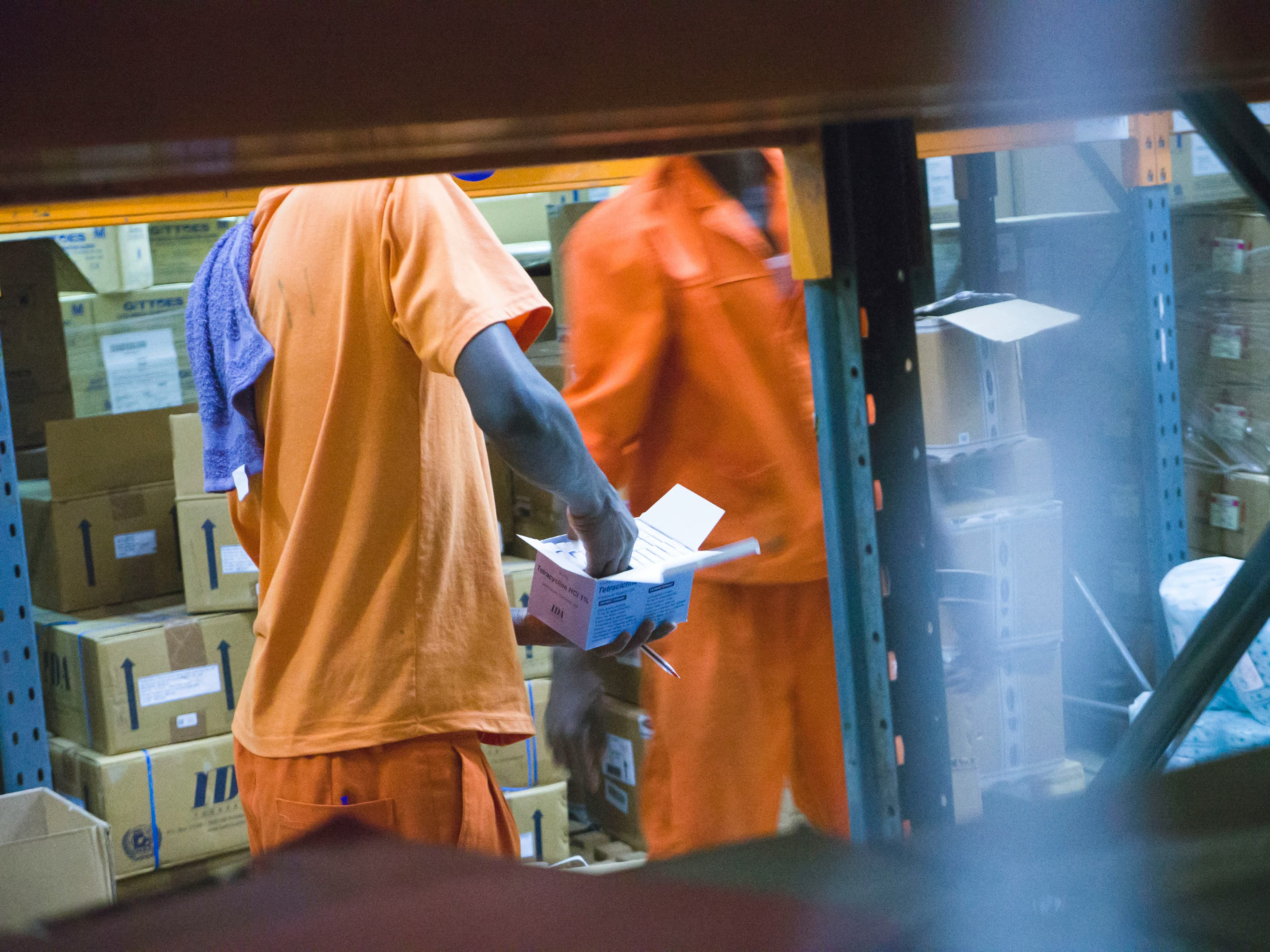
cGMP compliance isn't a marketing claim — it's a federal regulatory requirement enforced by FDA inspections. Supplement brands that get cGMP wrong face product recalls, Amazon listing suspensions, and FDA Warning Letters. At 3PLGuys, we operate an FDA-registered, cGMP-compliant facility — and we see the consequences of cGMP failures monthly. This guide breaks down what current Good Manufacturing Practice actually requires for supplement brands in 2026.
What cGMP Means for Supplements
cGMP stands for "current Good Manufacturing Practice." For supplements, the governing regulation is 21 CFR Part 111 — the FDA's mandatory standards for manufacturing, packaging, labeling, and holding dietary supplements.
Key principles:
- Quality is built into processes, not inspected in
- Every batch must meet identity, purity, strength, and composition specs
- Documentation must support every step
- Facility, equipment, and personnel must meet specific standards
Manufacturing facilities are most obviously covered. But cGMP also applies to anyone holding supplement inventory — meaning your fulfillment partner is included.
21 CFR Part 111 Requirements Overview
Personnel
- Qualified personnel with relevant training
- Documented training programs and records
- Hygiene practices and contamination prevention
- Health screening protocols
Physical Plant and Grounds
- Adequate space and design preventing contamination
- Pest control programs with documentation
- Cleaning and sanitation schedules
- Adequate lighting and ventilation
- Separation of incompatible products
Equipment and Utensils
- Designed for intended use and easy cleaning
- Calibration and maintenance schedules
- Validation of manufacturing equipment
- Documentation of equipment use
Production and Process Controls
- Written procedures for every operation
- Identity, purity, strength, composition testing
- Component qualification before use
- Batch records with full traceability
- Deviation investigation procedures
Quality Control Operations
- Independent quality unit
- Authority to approve or reject batches
- Materials sampling and testing
- Specification setting and verification
Components, Packaging, Labels
- Identity verification of all components
- Approved supplier programs
- Component testing or certificates of analysis
- Labeling specifications and verification
Master Manufacturing Records
- Written procedures for each unique product
- Detailed step-by-step instructions
- Component specifications and quantities
- Equipment to be used
Batch Production Records
- Complete record of every batch produced
- Component lot numbers used
- Equipment and conditions
- Quality control results
- Final disposition decision
Holding and Distribution
- Storage conditions appropriate for product
- Stock rotation (FEFO recommended)
- Distribution records traceable to batches
- Returns and recall capability
cGMP-Compliant Supplement Fulfillment
3PLGuys operates an FDA-registered, cGMP-compliant facility. Full 21 CFR Part 111 holding compliance, lot tracking, FEFO rotation, climate-controlled storage, documented procedures. Near-perfect accuracy, same-day processing.
Get a Quote →cGMP Holding Requirements (For Fulfillment Partners)
Even if you contract manufacture, your fulfillment partner's cGMP compliance matters. The FDA holds your brand accountable for products in distribution.
A cGMP-compliant fulfillment facility must provide:
- Climate-controlled storage appropriate for products
- Lot number and expiration date tracking
- FEFO inventory rotation
- Documented receiving procedures
- Pest control programs with documentation
- Cleaning and sanitation schedules
- Personnel hygiene practices
- Separation from non-supplement products that could contaminate
- Documented procedures for handling adverse event reports
- Recall capability with documented procedures
If your 3PL can't produce these documents during audit, you're exposed.
FDA Inspections: What to Expect
The FDA conducts cGMP inspections of supplement facilities. Inspections typically follow this pattern:
Initial Notification
- Usually unannounced for "for-cause" inspections
- Sometimes scheduled for routine surveillance
- Manufacturers inspected every 2-3 years on average
Document Review
- Manufacturing records
- Quality control records
- Training documentation
- Cleaning logs
- Pest control records
- Customer complaints and adverse events
Facility Walk-Through
- Physical inspection of all areas
- Observation of operations in progress
- Equipment condition assessment
- Storage condition verification
Form 483 Observations
After inspection, FDA may issue Form 483 listing observations:
- Each observation is a potential violation
- Response required within 15 business days
- Must include corrective action plans
- Failure to respond escalates to Warning Letter
Warning Letters
If issues are serious or unresolved:
- Public Warning Letter posted on FDA website
- Permanent record affecting brand reputation
- Trigger for Amazon listing reviews
- May lead to import alerts, injunctions, or recalls
Common cGMP Violations in Supplements
Most-cited issues in FDA Warning Letters:
Manufacturing Issues
- Inadequate identity testing of raw ingredients
- Missing or incomplete batch records
- Untrained personnel performing critical operations
- Equipment not properly calibrated
Quality Control Issues
- Quality unit lacking independence from production
- Specifications not established or verified
- Testing methods not validated
- Out-of-specification batches released
Documentation Issues
- Records missing required signatures
- Documents created retroactively
- Procedures not followed as written
- Master records incomplete
Facility Issues
- Inadequate pest control
- Cross-contamination potential
- Inadequate cleaning between products
- Personnel hygiene deficiencies
Amazon's cGMP Verification Requirement
Amazon now requires cGMP verification for supplement listings. This goes beyond FDA registration:
Approved Third-Party Verifiers
- NSF International
- USP (United States Pharmacopeia)
- UL Solutions
- Eurofins
- Other Amazon-approved certifiers
Verification Process
- Annual on-site facility audit
- Documentation review
- Process observation
- Corrective action verification
Costs
- Verification audits: $5,000-25,000 per facility
- Annual renewal required
- Significant time investment from your team
What Happens Without Verification
- Listings suspended
- New products can't launch
- Existing products at risk of removal
- Difficult to reactivate without resolving compliance
How to Verify Your 3PL Is Actually cGMP-Compliant
Don't take claims at face value. Ask for documentation:
Documents to Request
- FDA establishment registration confirmation
- Most recent FDA Form 483 (if any) and responses
- Internal SOPs covering 21 CFR Part 111 areas
- Training records for personnel handling supplements
- Pest control program documentation
- Cleaning and sanitation logs
- Temperature monitoring documentation
- Adverse event reporting procedures
On-Site Audit
Best practice for brands above $5M revenue:
- Annual on-site audit of your 3PL
- Walk-through of receiving, storage, picking, packing
- Review of WMS records
- Interview of personnel
- Documentation sampling
Some brands hire third-party auditors for $3,000-10,000 per audit.
Questions to Ask
- When was your last FDA inspection?
- Have you received any Form 483 observations?
- What's your average response time to FDA inquiries?
- How do you handle product holds for compliance issues?
- What's your adverse event reporting workflow?
Brand-Specific cGMP Obligations
Your brand has obligations beyond your 3PL:
Safety Substantiation
Under DSHEA and MoCRA, you must:
- Document scientific basis for product safety
- Maintain ingredient specifications
- Keep records of supplier qualifications
- Retain testing data on finished products
Adverse Event Reporting
- Serious adverse events reported to FDA within 15 days
- Internal investigation procedures
- Customer complaint documentation
- Lot tracking to identify affected products
Label Compliance
- Statement of identity matches contents
- Net quantity correctly stated
- Supplement Facts panel formatted properly
- Ingredient declaration in descending order
- Manufacturer/distributor name and address
- Warnings and contraindications
Recall Capability
- Documented recall procedures
- Lot tracking to customer level
- Communication templates
- FDA notification protocols
- Affected inventory containment
The Cost of cGMP Non-Compliance
Real consequences of compliance failures:
- FDA Warning Letter: public record, ~$50K-200K to remediate
- Product recall: $500K-5M+ depending on scope
- Amazon listing suspension: 30-90+ days of lost sales
- Class action lawsuits: variable but expensive
- Brand reputation damage: permanent in many cases
The cost of compliance — choosing a real cGMP-compliant 3PL, proper documentation, training — is far less than the cost of failures.
The Bottom Line
cGMP compliance for supplement brands isn't optional. It's federal law enforced through FDA inspections, Amazon listing reviews, and consumer protection actions. Your manufacturing partners, your fulfillment partner, and your internal processes all need to meet 21 CFR Part 111 standards.
At 3PLGuys, we operate a fully cGMP-compliant fulfillment facility — FDA-registered, climate-controlled storage, lot tracking with FEFO rotation, documented procedures, trained personnel, and audit-ready records. Same-day processing for orders before 2 PM PT, dedicated account managers, flexible terms.