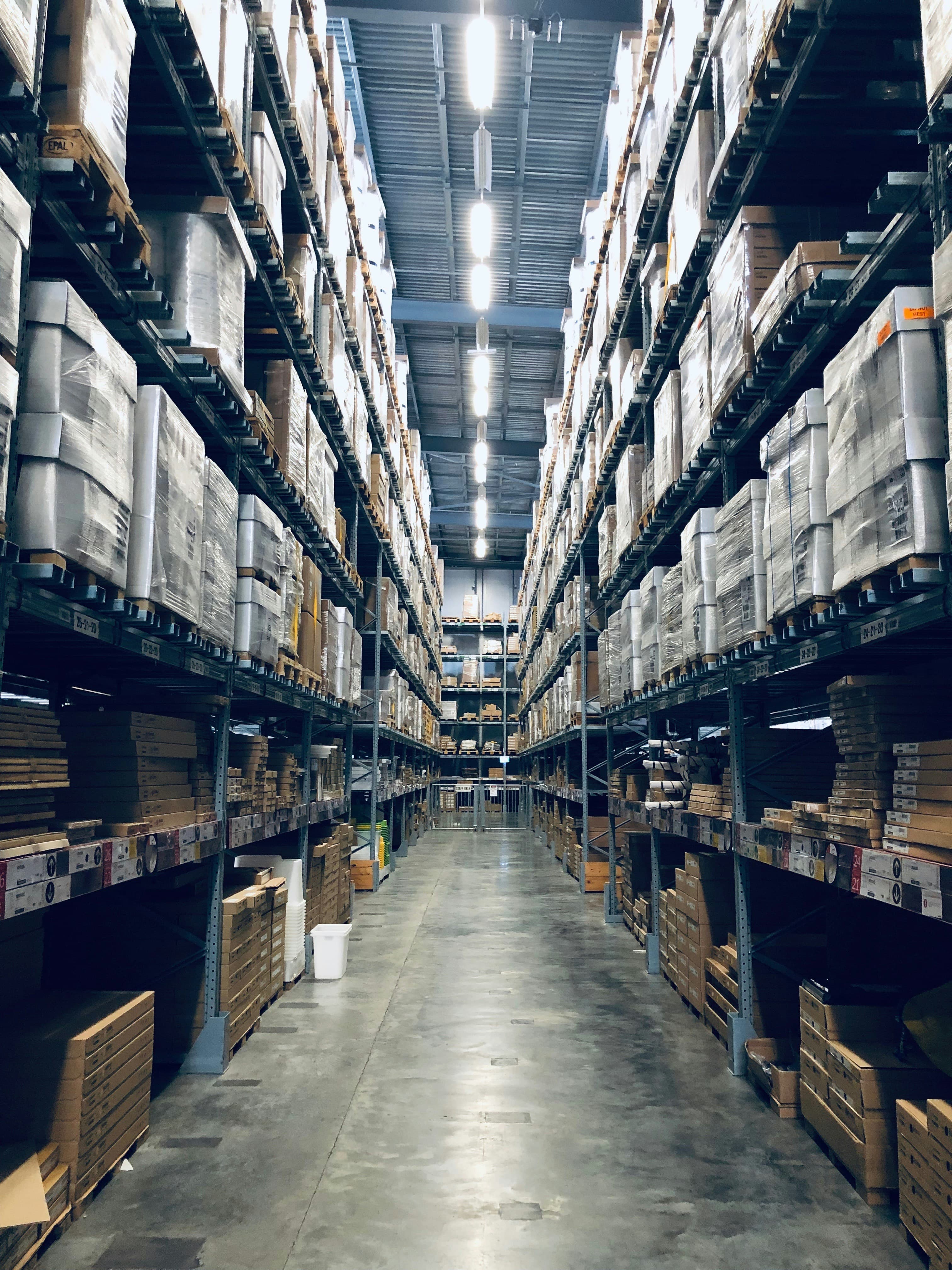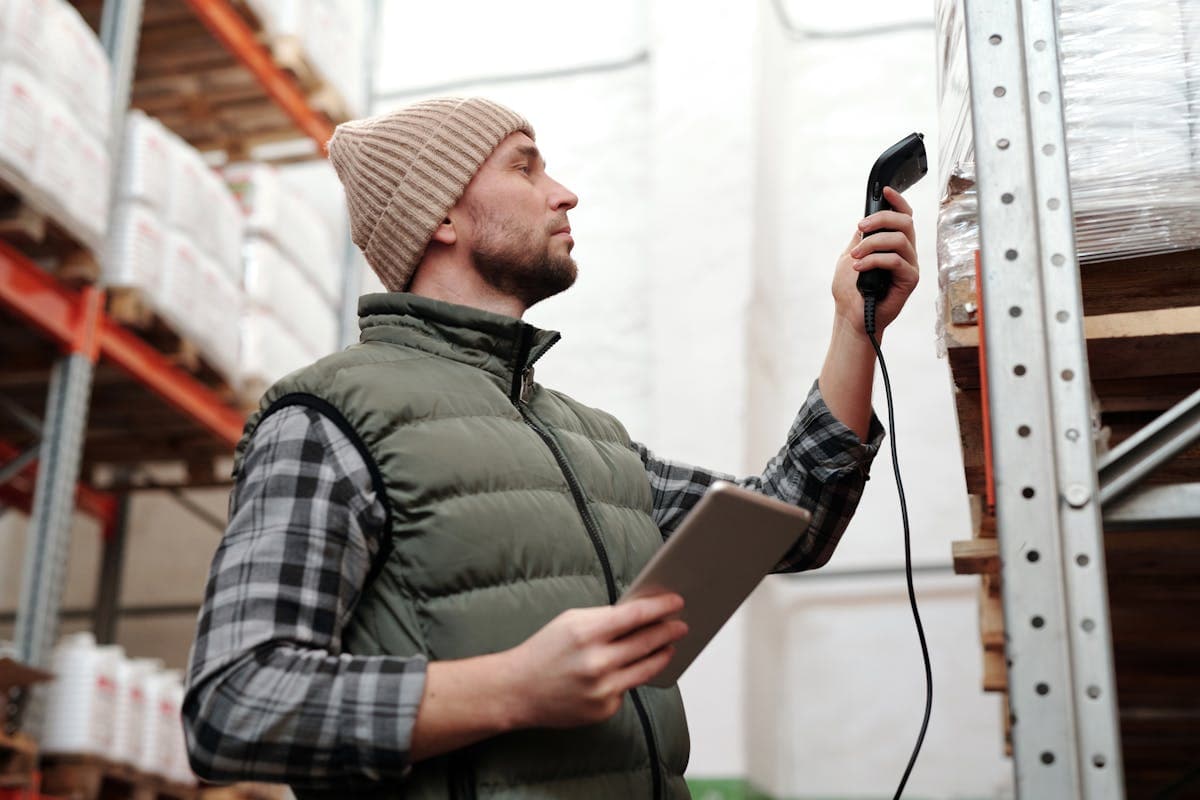
E-commerce fulfillment in 2026 looks nothing like it did five years ago. AI has moved from experimental to essential. Same-day delivery has gone from premium perk to baseline expectation. Sustainability is no longer a marketing angle — it's a purchasing factor. And social commerce has created entirely new fulfillment challenges that traditional logistics wasn't built to handle.
If you're running an e-commerce brand, these shifts affect your operations, your partnerships, and your margins. At 3PLGuys, we've built our operations around these realities — same-day processing for orders before 2 PM PT, native TikTok Shop integration, and the flexibility to scale with viral demand. Here's what's actually changing — and what it means for your business.
The State of Fulfillment in 2026
The fulfillment landscape has fundamentally shifted. Post-pandemic supply chain disruptions forced permanent changes in how brands think about logistics. The "just-in-time" model that dominated for decades has given way to "just-in-case" — prioritizing resilience and proximity over pure cost optimization.
Three forces are reshaping the industry simultaneously:
- Technology maturation — AI and automation have moved past the hype cycle into practical deployment
- Consumer expectation inflation — what was fast enough last year isn't fast enough now
- External pressure — tariffs, sustainability mandates, and geopolitical instability are forcing supply chain redesigns
The brands that thrive in this environment aren't the ones with the biggest budgets. They're the ones who adapt their fulfillment strategies to match these new realities.
Trend 1: AI and Automation Are Now Table Stakes
In 2025, AI in logistics was still considered innovative. In 2026, it's a requirement. The most successful operators have integrated AI directly into their operational workflows — not as a dashboard to review, but as a decision engine that runs in real time.
Here's what AI-powered fulfillment looks like in practice:
Predictive inventory management — AI systems analyze sales patterns, seasonality, and external factors to forecast demand at the SKU level, reducing both stockouts and overstock situations.
Smart order routing — instead of simple zone-based shipping rules, AI evaluates inventory levels, carrier performance, and delivery deadlines in real time to route each order optimally.
Automated warehouse operations — from goods-to-person robotics to automated pick-path optimization, AI is reducing labor dependency while increasing throughput and accuracy.
Robotics-as-a-Service (RaaS) models now let mid-sized brands deploy automation without massive capital expenditure. You pay per pick or per order, scaling up and down with volume. However, integration complexity remains the number one barrier to adoption — the winners aren't using the most advanced technology, they're using technology that actually works.
Trend 2: Same-Day and Next-Day Are the New Standard
Speed expectations have fundamentally reset. According to recent research, 96% of shoppers now define "fast delivery" as same-day. 80% want to see a same-day option at checkout. And nearly half are more likely to complete a purchase when same-day delivery is available.
The same-day delivery market is growing at 20% annually, expected to reach $13.25 billion in 2026. This isn't just grocery anymore — it's spanning electronics, apparel, and general merchandise.
What's driving this shift:
Amazon Prime conditioning — years of two-day (now often one-day) Prime shipping have reset baseline expectations across all retailers.
Gen Z purchasing behavior — younger consumers are the most willing to pay for speed, with nearly half saying they'll pay more to receive items within 24 hours.
For brands, this creates pressure at multiple points: you need inventory closer to customers, orders received by noon need to ship the same day, and same-day requires local delivery networks. The brands winning on speed aren't doing it themselves — they're partnering with 3PLs who have invested in the infrastructure to make same-day possible at scale. At 3PLGuys, we process all orders received before 2 PM PT the same day, with near-perfect accuracy.
Trend 3: Sustainability Has Become a Decision Factor
Sustainability in fulfillment has crossed the threshold from "nice to have" to "purchase influencer." The sustainable packaging market is projected to reach $490 billion by 2034, and 78% of U.S. consumers now say they embrace a sustainable lifestyle.
What this means for fulfillment in 2026:
Packaging changes — biodegradable materials, right-sized boxes, and recyclable alternatives are becoming standard. Customers notice when packages are excessively large or use non-recyclable materials.
Carbon-neutral shipping options — 89% of organizations now view carbon credits as a critical tool for addressing emissions. Offering carbon-neutral shipping at checkout is increasingly common.
Consolidated shipments — smart logistics platforms combine multiple orders into single deliveries and optimize routes, reducing cost and emissions simultaneously.
More than 60% of buyers say they'd pay more for products from brands using environmentally friendly packaging. For fulfillment partners, this means new requirements: sustainable packaging options, carbon accounting capabilities, and operations designed to minimize waste.
Trend 4: Social Commerce Demands New Fulfillment Approaches
TikTok Shop has fundamentally changed e-commerce fulfillment requirements. Social commerce sales are projected to surpass $100 billion in 2026, with TikTok Shop alone exceeding $20 billion. The platform now commands nearly 20% of total U.S. social commerce, expected to hit 24% by 2027.
Here's why social commerce creates unique fulfillment challenges:
Viral unpredictability — a product can go from 20 orders per day to 2,000 overnight when a video takes off. Traditional demand planning doesn't account for TikTok algorithm dynamics.
Strict SLAs — TikTok enforces shipping timelines aggressively. Consistently missing them tanks your shop rating and can result in suspension.
Higher conversion rates — TikTok Shop achieves 5-8% conversion rates, compared to 2-4% for traditional e-commerce. When something sells, it sells fast.
Fulfilled by TikTok now operates 14+ fulfillment centers offering three-day delivery. But sellers who want more control need 3PL partners who understand social commerce dynamics: same-day processing, elastic capacity that can 10x without warning, direct API integrations, and kitting capabilities for viral product combinations.
At 3PLGuys, we've built native TikTok Shop integration specifically for these challenges. Same-day processing as standard, elastic capacity for viral spikes, and dedicated account managers who understand that social commerce doesn't follow predictable demand patterns.
Selling on TikTok Shop? You Need a 3PL That Gets It.
3PLGuys offers native TikTok Shop integration with same-day processing, elastic capacity for viral demand, and dedicated account managers. Flexible terms, no long-term contracts.
Learn About TikTok Fulfillment →Trend 5: The Returns Crisis Is Forcing New Solutions
E-commerce returns have reached crisis levels. Return rates for online purchases now sit between 20-24% — nearly three times brick-and-mortar rates. U.S. retail returns hit $850 billion in 2025, and the costs of processing each return average $40 per item.
The problem is multifaceted:
Bracketing has become standard behavior — customers ordering multiple sizes or colors with the intention of returning most of them.
76% of consumers rank refund immediacy as a top priority — slow return processing damages brand loyalty, sometimes permanently.
Environmental impact — e-commerce returns generate 24 million metric tons of CO2 annually, and 9.5 billion pounds of returned goods end up in landfills each year.
Fraud is escalating — returns fraud costs retailers over $100 billion annually, with schemes ranging from wardrobing to return of counterfeits.
Brands are responding with new approaches:
Return prevention — better sizing tools, detailed product information, and video demonstrations reduce "not what I expected" returns.
Faster processing — professional 3PLs process returns in 24-48 hours rather than the 5-10 days common with in-house operations. Speed matters because faster processing means higher recovery rates.
Disposition optimization — sophisticated reverse logistics partners have established liquidation channels and refurbishment capabilities that maximize recovery value.
The economics are stark: an item sitting in your returns queue for three weeks might need liquidation; the same item processed in 48 hours might restock at full price.
Trend 6: Nearshoring and Reshoring Are Reshaping Networks
The geography of supply chains is shifting. According to recent surveys, 56% of executives are planning nearshoring or combined reshoring/nearshoring strategies. This isn't just about tariffs — it's about resilience, speed, and total cost of ownership.
What's driving the shift:
Geopolitical risk — reliance on distant suppliers creates vulnerability to trade disputes and shipping disruptions.
Rising offshore costs — labor costs in traditional offshore locations are climbing. The cost advantage is shrinking.
Speed to market — continental supply chains mean faster replenishment and better ability to respond to demand shifts.
For North American e-commerce brands, this means distributing inventory across multiple locations rather than centralizing in one warehouse. At 3PLGuys, we've seen brands who previously fulfilled from a single East Coast location now splitting inventory to our Paramount, CA facility to better serve West Coast customers.
What This Means for Brands
These trends aren't happening in isolation — they're compounding. Brands that successfully navigate 2026 share several characteristics:
They're partnered, not DIY. The complexity of modern fulfillment exceeds what most brands can build in-house cost-effectively. The winners leverage 3PL expertise rather than trying to become logistics companies themselves.
They're treating fulfillment as strategy. Fulfillment affects conversion rates, customer satisfaction, and platform standing. Brands that view logistics as pure cost-minimization miss the competitive advantages available.
They're building flexibility. Whether it's RaaS models that scale with volume or 3PL partnerships that can flex capacity, rigidity is risk.
They're thinking total cost, not component cost. The cheapest per-pick rate might come with slow processing or limited technology. Total cost includes customer satisfaction and return rates.
FAQ
What's the biggest fulfillment trend affecting small-to-mid-size brands in 2026?
Same-day/next-day shipping expectations have the broadest impact. Consumers who receive fast delivery from Amazon now expect it everywhere. Brands that can't offer competitive shipping speeds see it in conversion rates and customer feedback. This doesn't require building your own infrastructure — it requires partnering with 3PLs who have made those investments.
Is AI automation only for large brands with big budgets?
No. Robotics-as-a-Service (RaaS) models let smaller brands access automation without capital expenditure. You pay per transaction, scaling with your volume. Many 3PLs have integrated AI into their operations, meaning their clients benefit from predictive analytics, smart routing, and optimized processes without building anything themselves.
How important is sustainability to consumers in 2026?
Very. 78% of consumers say they embrace sustainable lifestyles, and over 60% will pay more for environmentally friendly packaging. Beyond consumer preference, many marketplaces and platforms are beginning to require sustainability disclosures. It's becoming both a competitive differentiator and a compliance requirement.
What should TikTok Shop sellers look for in a fulfillment partner?
Three things: same-day processing as standard (not a premium option), elastic capacity that can scale 10x without warning, and direct API integration with TikTok Shop. TikTok's strict SLAs mean late shipments directly impact your shop visibility and rating. A 3PL that treats TikTok like another Amazon channel will cause problems.
How are successful brands handling the returns crisis?
Multiple approaches: better product information to prevent returns, faster processing to maximize restock rates (24-48 hours vs. 5-10 days), established liquidation channels for items that can't restock at full price, and data analysis to identify which SKUs have systematic issues. Some are also adjusting policies — restocking fees, shorter windows, original packaging requirements.
What does nearshoring mean for e-commerce fulfillment?
For most brands, it means distributing inventory across more locations rather than centralizing in one warehouse. This reduces transit times, provides redundancy, and positions inventory closer to customers. It also means evaluating supplier relationships — diversifying sources and considering regional alternatives to distant suppliers.
The Bottom Line
E-commerce fulfillment in 2026 is faster, smarter, more sustainable, and more complex than ever before. The trends we've outlined — AI automation, same-day expectations, sustainability pressure, social commerce dynamics, returns challenges, and supply chain reshoring — aren't futures speculation. They're current realities that brands are navigating right now.
The common thread: complexity is increasing, but you don't have to manage it alone. The brands thriving in this environment are the ones who recognize that fulfillment expertise is a partnership opportunity, not a DIY project.
Is Your Fulfillment Keeping Pace With 2026?
3PLGuys offers same-day processing, multi-channel integration, TikTok Shop expertise, and the flexibility to scale with viral demand. >99% accuracy, flexible terms, dedicated account managers via Slack, email, or phone.
Discuss Your Fulfillment Needs →