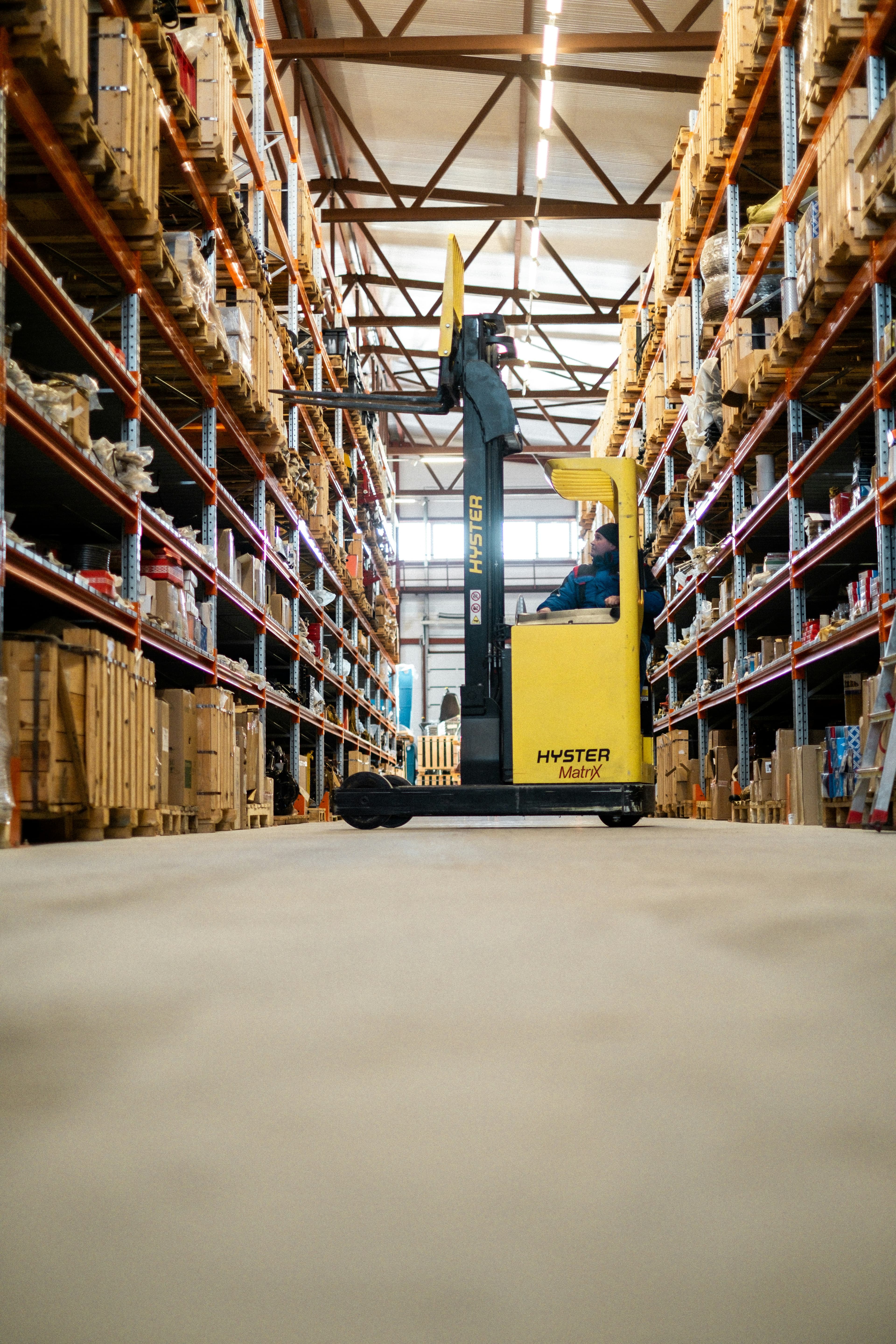
Q4 is the Super Bowl of eCommerce. Between Black Friday, Cyber Monday, and the holiday rush, brands can generate 30-40% of their annual revenue in just three months. But here's the uncomfortable truth: the brands that win Q4 aren't scrambling in October. They started planning in summer.
Shipping volumes spike 300% or more from October to December. Carriers reject 25% of contracted loads. Freight rates jump 30%. And if you're not ready, your competitors — who started planning six months ago — will happily take your customers.
This guide covers everything you need to prepare: inventory positioning, carrier negotiations, staffing, and avoiding the disasters that sink unprepared brands every year.
Why Peak Season Planning Starts in Summer
If you're reading this in September and haven't started planning, you're already behind. Peak season preparation has a long lead time, and every week of delay compounds into bigger problems.
The timeline is unforgiving:
- June-July: Lock carrier rates, finalize inventory forecasts, confirm 3PL capacity
- July-August: Place final orders with suppliers, especially for ocean freight from Asia
- September: Inventory should be arriving at warehouses, not still on ships
- October: Final inventory positioning, test all systems, staff fully trained
- November-December: Execute, don't scramble
Brands that begin Q4 planning in Q2 consistently outperform those who wait. Why? Because they get first pick of carrier capacity, locked-in rates before surcharges stack, and time to solve problems before they become emergencies.
Inventory Positioning Timeline
Inventory is the foundation of peak season success. Run out of stock on Black Friday, and you've lost those sales forever. Overstock, and you're paying storage fees into February.
Here's the timeline that works:
For ocean freight from China:
- Order cutoff with suppliers: August at the latest
- Goods on ships: July-August
- Arrival at US warehouse: September
- Buffer for customs, delays, and distribution: 3-4 weeks
Transit time from Asian suppliers runs 4-8 weeks for ocean freight. Add customs clearance (3-7 days average, longer if your shipment gets examined), and you need your Q4 inventory arriving at your 3PL by late September.
Safety stock calculation: Build a 3-4 week safety stock buffer above your Q4 demand forecast. This covers:
- Production delays at suppliers
- Vessel schedule slippage
- Customs examination holds
- Final-mile delivery issues
- Unexpected demand spikes
The cost of holding extra inventory is far lower than the cost of stockouts during your highest-revenue period. A good rule of thumb: plan for 30-40% higher volumes during peak season compared to average months.
Carrier Capacity and Rate Locks
Carriers know their leverage during peak season. General Rate Increases and Peak Season Surcharges stack week after week from September onward, adding $200-$500 per container. Parcel carriers aren't any gentler.
The brands that protect their margins do three things:
1. Lock rates early
Negotiate rates with carriers in Q2/Q3 before peak surcharges activate. Yes, you're committing to volume, but you're also locking in rates that could be 30% lower than spot rates in November.
2. Build carrier diversification
Don't rely on one carrier. When UPS capacity is full, FedEx or regional carriers might still have space. Work with a 3PL that has relationships across multiple carriers and can route dynamically.
3. Pre-position inventory
Multi-node distribution — placing inventory in multiple fulfillment centers closer to customers — reduces transit times, lowers shipping costs, and creates redundancy if one region has capacity issues. Nearly 60% of brands now use more than one fulfillment center, and that number keeps growing.
Staffing and Capacity Planning
The warehouse industry faces structural challenges: an 80,000+ truck driver shortage, warehouse staffing struggles, and difficulty retaining workers. During peak season, these problems multiply.
Your 3PL should be discussing capacity planning with you by July, not November. Key questions to ask:
- What is your peak season staffing plan?
- How much volume increase can you handle without degraded processing times?
- What happens if we exceed forecasted volumes by 50%? By 100%?
- Do you have contingency plans for labor shortages?
If your 3PL can't answer these questions confidently, that's a red flag. The best fulfillment partners have these answers baked into their operations — it's how we approach peak season planning at our Paramount, CA facility, with staffing flexibility built into Q4 from the start.
Cutoff Dates and Deadlines
Every year, brands lose sales because they missed critical deadlines. Here's what to track:
Amazon FBA deadlines:
- Inventory check-in deadline: typically late October for Black Friday/Cyber Monday
- Holiday inventory deadline: early November for Christmas delivery
- After these dates, Amazon may not receive or process your inventory in time
Carrier cutoffs for holiday delivery: Ground shipping cutoffs fall around December 15-18. Express shipping extends a few days longer, but at significantly higher rates. These dates tighten every year as volume increases.
Your internal cutoffs:
- When do you stop accepting orders for guaranteed holiday delivery?
- When do you switch to expedited shipping only?
- When do you update your website messaging to set customer expectations?
Build a calendar with all critical dates and share it with your team, your 3PL, and anyone else in your fulfillment chain. Then back up each deadline by 2-3 days for safety.
Common Peak Season Disasters (And How to Avoid Them)
After years of handling peak season for hundreds of brands, we've seen the same disasters repeat:
Disaster 1: Inventory arrives late
The cause is almost always waiting too long to place orders. Ocean freight doesn't move faster because you need it to.
Prevention: Order Q4 inventory in Q2. Build buffers into every timeline. Track your shipments daily once they're in transit.
Disaster 2: Systems crash under volume
Your WMS, order management system, or integrations weren't tested for 5x normal volume. They work fine at 500 orders/day but fail at 2,500.
Prevention: Load test your systems in September. Simulate peak volumes. Find the breaking points before Black Friday does.
Disaster 3: Carrier capacity fills up
You assumed you could ship parcel ground, but your carrier says they're at capacity for your region.
Prevention: Confirm capacity commitments in writing. Diversify carriers. Build relationships that get prioritized when capacity is tight.
Disaster 4: Warehouse staffing gaps
Your 3PL promised 24-hour processing but is suddenly taking 72 hours because they couldn't hire enough seasonal workers.
Prevention: Have the capacity conversation early. Get commitments in writing. Have a backup plan if your primary 3PL fails.
Disaster 5: Returns overwhelm post-peak
The flood of holiday returns in January catches everyone off guard. Processing backlogs, delayed refunds, angry customers.
Prevention: Build returns processing capacity into your peak plan. We'll cover this more below.
Communication with Your 3PL
Peak season is when your 3PL relationship gets tested. Here's how to make it work:
Before peak season:
- Confirm volume forecasts and capacity commitments
- Review processing time guarantees
- Establish escalation paths for problems
- Agree on communication cadence (daily updates during peak?)
During peak season:
- Daily check-ins on processing times and inventory levels
- Immediate escalation for any delays or issues
- Real-time visibility into order status (not waiting for end-of-day reports)
- Clear decision authority for exceptions
What good 3PL communication looks like:
- Proactive alerts when inventory is running low
- Same-day notification of any processing delays
- Direct access to operations managers, not just support tickets
- Weekly metrics reviews even during the chaos
If you're not getting this level of communication, that's worth addressing before peak season arrives. The relationship you have in September determines how smoothly November goes.
Post-Peak Returns Handling
Peak season doesn't end on December 25th. January brings a wave of returns that can be just as overwhelming as the order rush.
The numbers: Holiday return rates run 15-30% depending on your category. Apparel and electronics are highest. That means if you shipped 100,000 units in Q4, you might process 25,000+ returns in January.
Build returns capacity into your plan:
- Forecast return volumes based on historical data
- Ensure your 3PL has processing capacity for returns, not just outbound
- Define your returns policy and workflow before the rush
- Plan for restocking, refurbishment, and liquidation
Returns processing timeline: Customers expect refunds within 5-7 business days of return delivery. If your returns processing backlog stretches to 2-3 weeks, expect support tickets, chargebacks, and reputation damage.
A good fulfillment partner treats returns as part of core operations, not an afterthought. Returns processing capacity should be part of your peak planning conversation, not a January surprise.
The Real Peak Season Calendar
Q4 gets all the attention, but the reality is more complex. Here's what a full peak season calendar looks like:
February: Chinese New Year (February 17-23, 2026 likely) Factories shut down for 2-3 weeks. If you need inventory from Asia for spring, order in December.
July-August: Back to School The second-largest retail period after holidays. Plan inventory and promotions starting in May.
September: Fall transition Consumer behavior shifts to holiday mindset. Early shoppers start buying.
October: Pre-holiday ramp Volume starts climbing. Amazon Prime Day fall edition. Inventory should be positioned.
November: Peak of peak Black Friday, Cyber Monday, and the following week are the highest-volume days of the year.
December: Holiday deadline rush Last-minute shoppers, express shipping, cutoff date management.
January: Returns tsunami Process returns, manage inventory, analyze what worked and what didn't.
This isn't a Q4 problem — it's a year-round operational rhythm. The brands that treat it that way outperform those who only think about peak season in October.
Frequently Asked Questions
When should I start planning for Q4 peak season?
June at the latest for a November peak. Serious planning means locking carrier rates, confirming inventory orders, and aligning with your 3PL on capacity — all of which need months of lead time.
How much extra inventory should I hold for peak season?
Plan for 30-40% higher volumes than average months, plus a 3-4 week safety stock buffer. The exact number depends on your product velocity and tolerance for stockouts vs. carrying costs.
What if my 3PL can't handle my peak volume?
Have this conversation now, not in November. If your 3PL can't commit to your forecasted volume with guaranteed processing times, you need a backup plan or a new 3PL.
How do I protect against carrier rate increases?
Lock rates early (Q2/Q3), build carrier diversification so you're not dependent on one option, and pre-position inventory to reduce shipping distances.
What's the biggest peak season mistake brands make?
Waiting too long. Every element of peak season preparation has lead times: inventory orders, carrier negotiations, capacity planning, system testing. Starting late means paying more, getting less, and scrambling through the rush.
The Bottom Line
Peak season success is earned in summer, not in November. The brands that nail Q4 aren't luckier or bigger — they just started earlier.
Here's your checklist:
- Q2: Start inventory forecasting, initiate carrier negotiations
- July: Lock carrier rates, confirm 3PL capacity, place final supplier orders
- August: Inventory should be in transit
- September: Inventory arrives, systems tested, staff trained
- October: Final positioning, calendar distributed, everyone aligned
- November-December: Execute the plan you built
If you're not already planning for Q4, today is the day to start. Your competitors are already three months ahead.
Peak season doesn't have to be chaotic. With the right preparation and the right fulfillment partner, it's just a bigger version of what you do every day. The question is whether you'll be ready when it arrives.
Need a fulfillment partner who plans for peak season like you do? Talk to 3PLGuys — we start Q4 planning with clients in Q2, not October.