If you manufacture in Japan and sell on Amazon US, your supply chain has a critical decision point: where does your inventory land before it reaches FBA?
Amazon Warehousing and Distribution (AWD) seems convenient—ship from Japan, let Amazon handle storage and replenishment. But international sellers are discovering that AWD's problems are amplified when you're 5,000 miles away.
Here's why US-based 3PLs have become the preferred solution for Japan-to-FBA logistics.
The AWD Problem for International Sellers
AWD's issues—lost inventory, slow receiving, poor customer service—hit international sellers harder:
No Verification Point
When you ship from Japan directly to AWD, you lose visibility the moment your cargo leaves Japan. If boxes go missing or arrive damaged, you have no intermediate verification.
With a 3PL, your shipment is received, counted, inspected, and photographed in the US before anything goes to FBA. You know exactly what arrived.
Time Zone Nightmares
AWD's customer service is already effectively nonexistent. Add a 13-hour time zone difference, and resolving problems becomes nearly impossible. You file a case at the end of your day, maybe get a response at 3 AM, and the back-and-forth drags over weeks.
A 3PL gives you a real point of contact during US business hours, even if that means your evening calls.
Replacement Inventory Lead Times
If AWD loses your inventory, getting replacement products from Japan takes 3-4 weeks at minimum. You've lost the inventory, you've lost the sales, and you're looking at over a month before you can even attempt to recover.
With a 3PL, you maintain buffer stock in the US. If something goes wrong, you can push inventory to FBA immediately from your US storage.
Customs and Documentation
Shipping internationally requires clean documentation. If there's any discrepancy between your shipping documents, your invoices, and what actually arrives, AWD's claims process becomes even more adversarial.
A 3PL receiving your shipment can document exactly what arrived, match it against your ASN, and flag issues immediately—before inventory enters the Amazon ecosystem.
The Japan-to-3PL-to-FBA Workflow
Here's how most successful international sellers structure their supply chain:
1. Ship from Japan to US 3PL
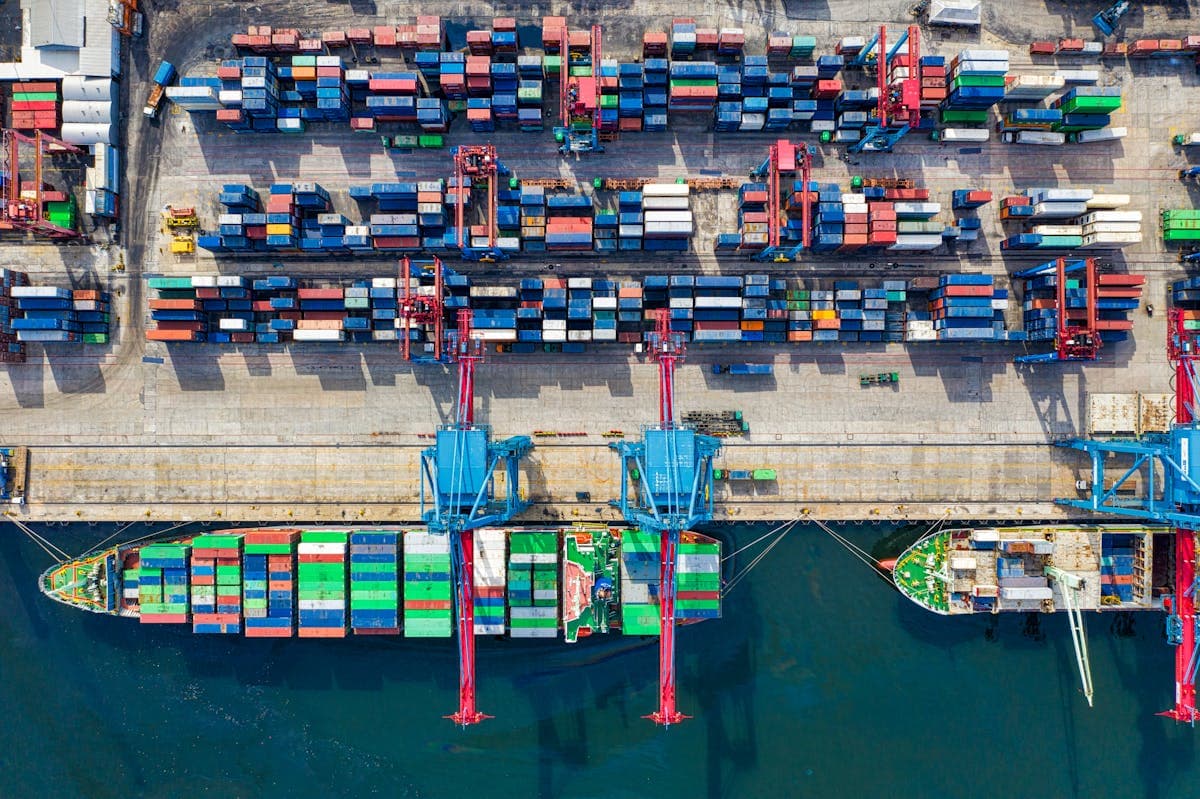
Container or air freight from your manufacturer to a 3PL near a major port (Los Angeles, Long Beach, or New Jersey for East Coast).
2. Customs Clearance
Either clear customs before delivery or use a bonded warehouse 3PL to defer duties until inventory ships.
3. Receiving and Verification
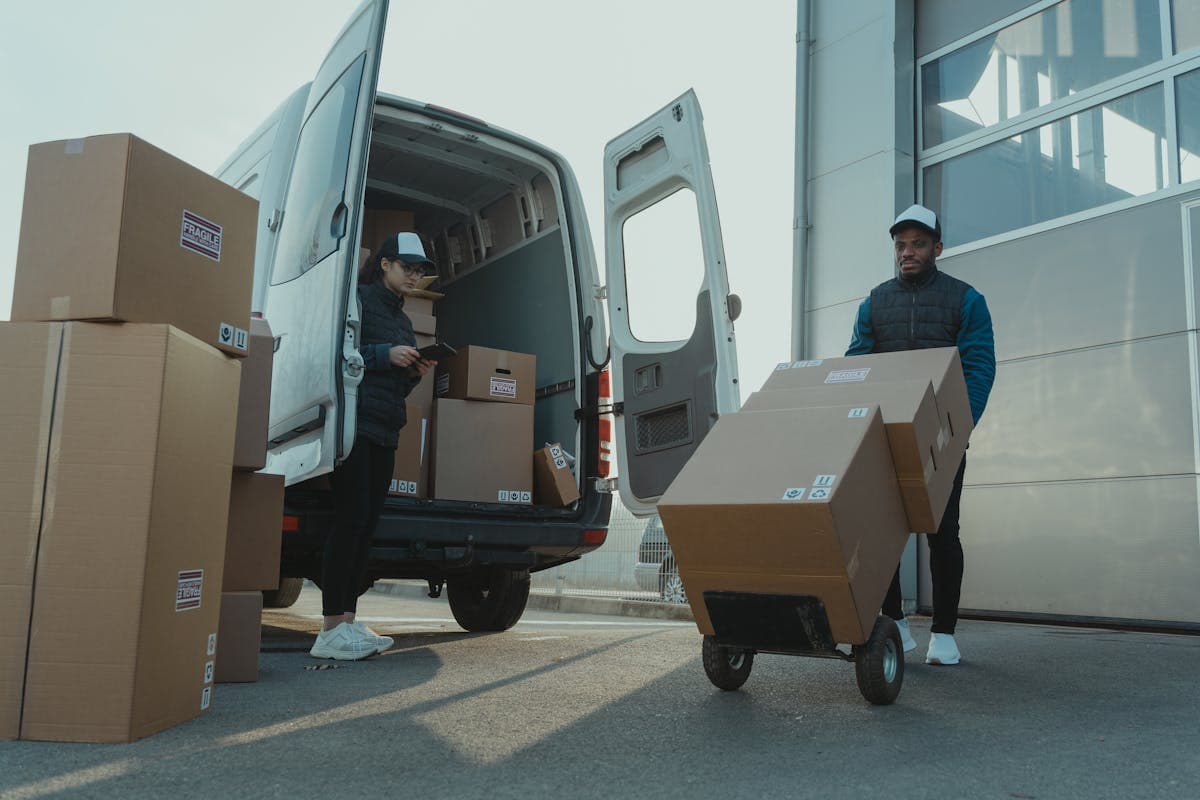
The 3PL receives your shipment, verifies quantities, inspects for damage, and photographs everything. You have documentation that your inventory arrived intact.
4. FBA Prep
The 3PL handles:
- FNSKU labeling
- Poly bagging
- Bundling (if applicable)
- Box prep and content labels
Your products arrive at FBA ready to sell.
5. Strategic FBA Replenishment
Instead of AWD's unpredictable auto-replenishment, you control when inventory ships to FBA. Keep 3-4 weeks of sales velocity at FBA, with buffer stock at the 3PL ready to ship as needed.
6. Ongoing Storage
Excess inventory stays at the 3PL at rates typically lower than FBA storage. You avoid long-term storage fees and maintain inventory you can access if needed.
Why This Beats AWD
Speed to FBA
AWD receiving takes 2-4 weeks after delivery. Then another unknown period to transfer to FBA. Total time from Japan arrival to sellable: 6+ weeks in many cases.
A 3PL receives in 24-72 hours and can ship to FBA the same week. Total time from arrival to sellable: often under 2 weeks.
Inventory Accountability
When you ship to AWD, you hope everything arrives. When you ship to a 3PL, you know.
If there's a discrepancy with your manufacturer or freight forwarder, you catch it immediately—not 90 days later when Amazon finally investigates.
FBA Prep Included
AWD doesn't prep. If your manufacturer in Japan can't prep to FBA standards (most can't reliably), you need a prep solution anyway.
A 3PL handles prep as part of the workflow. Products arrive from Japan as they come off the line; they leave the 3PL ready for FBA.
Multi-Channel Flexibility
If you sell on Walmart, your own website, or want to do B2B distribution in the US, a 3PL can fulfill those channels from the same inventory. AWD only feeds Amazon.
Human Contact
When something goes wrong—and with international shipping, something always goes wrong eventually—you need a human who can solve problems in real time.
A 3PL account manager can:
- Coordinate with your freight forwarder
- Rush a shipment to FBA when you're running low
- Hold a shipment if there's a quality issue
- Provide documentation for customs disputes
AWD provides none of this.
Calculating the Cost
Yes, a 3PL costs more than AWD's base storage rate. But model the total:
| Cost Factor | AWD | 3PL |
|---|---|---|
| Storage | Lower | Higher |
| FBA Prep | Need separate solution | Included |
| Lost Inventory Risk | 5-10% loss rate | Near zero |
| Stockout Cost | High (slow receiving) | Low (fast turnaround) |
| Customs Documentation | DIY | Assisted |
| Time/Stress | High | Low |
For most international sellers, the total cost is comparable—and the headache reduction is significant.
Finding the Right 3PL
For Japan-to-FBA specifically, look for:
West Coast Location: Los Angeles or Long Beach area minimizes transit time from Japan and port drayage costs.
Customs Experience: Either bonded warehouse capability or experience coordinating with customs brokers.
Japan/Asia Seller Experience: 3PLs that regularly handle Japanese products understand the workflow.
Port Proximity: Close to LA/Long Beach ports means your container gets to the warehouse fast.
FBA Expertise: Deep knowledge of Amazon's requirements and how to avoid compliance issues.
Making the Transition
If you're currently using AWD (or considering it) and want to switch to a 3PL:
- Get quotes from 3PLs — Share your product specs, volume, and current workflow
- Plan your next shipment from Japan — Route it to the 3PL instead of AWD
- Let existing AWD inventory drain — Or request removal
- Establish your new workflow — ASN templates, shipping instructions, communication cadence
- Optimize over time — Adjust replenishment frequency, storage levels, and prep requirements
Most sellers complete the transition over 4-6 weeks without stockouts.
The Bottom Line
Shipping from Japan to Amazon FBA is complex enough without AWD's problems. Lost inventory, months-long receiving times, and zero customer service are even more damaging when you're managing supply chain across the Pacific.
A US-based 3PL provides the verification, speed, and accountability that international sellers need. Yes, it costs more on paper. But when you factor in lost inventory, stockouts, and stress, most sellers find it costs less in practice.
If you're shipping from Japan and frustrated with AWD, get a quote from 3PLGuys. We're 10 minutes from the Port of Los Angeles and have helped dozens of international sellers build reliable FBA supply chains.