Jewelry isn't like other e-commerce products. A $50 t-shirt that goes missing is annoying. A $5,000 bracelet that disappears is a crisis. And jewelry customers expect more than fast shipping — they want an unboxing experience worthy of the product inside.
At 3PLGuys, we've built our jewelry fulfillment operation around the security, insurance, and presentation that high-value products demand — cage storage for valuable inventory, comprehensive camera coverage, and premium packaging options that match your brand positioning.
This guide covers everything you need to know about jewelry fulfillment — security requirements, insurance coverage, premium packaging, and the shipping considerations that protect both your products and your brand.
Why Jewelry Fulfillment Needs Specialized Care
Standard 3PLs handle consumer goods that are low risk and easily replaceable. Jewelry is neither. A jewelry 3PL needs to address:
- High theft risk — small, valuable, easy to conceal
- Insurance requirements — standard carrier liability caps at $100-1,000
- Fragile items — chains tangle, stones loosen, clasps break
- Premium expectations — customers buying jewelry expect luxury presentation
- Inventory accuracy — one missing item can be a five-figure loss
- Authentication needs — counterfeit concerns require documentation
A fulfillment center that works fine for apparel or home goods will fail jewelry brands in ways that are expensive to discover.
Security Requirements for High-Value Fulfillment
Jewelry theft is an ongoing concern in logistics. Dedicated jewelry fulfillment facilities use multiple layers of security that general warehouses don't have.
Cage Storage
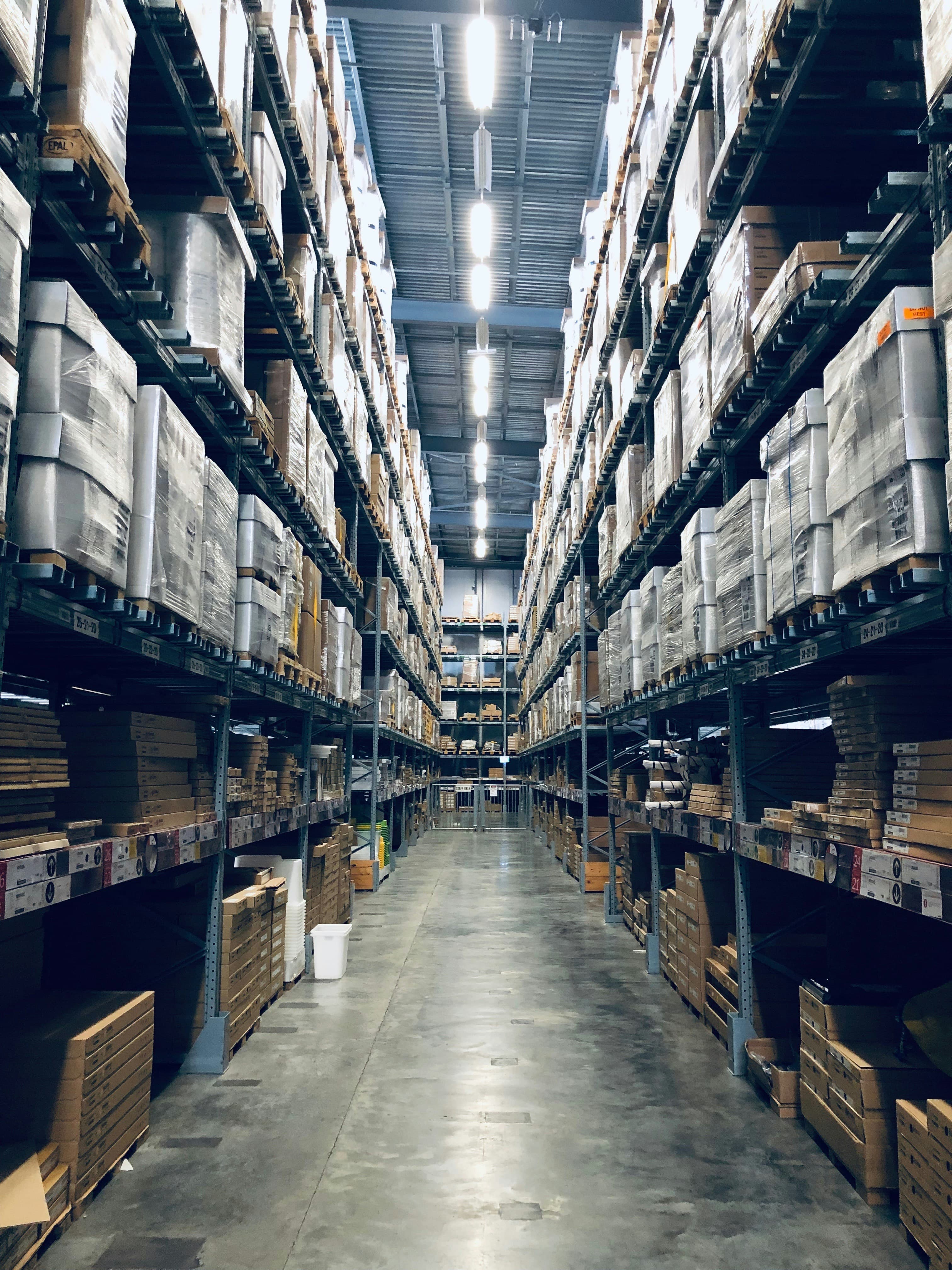
High-value inventory should be stored in secured cage areas — locked enclosures within the warehouse that limit access to authorized personnel only. This creates a warehouse-within-a-warehouse where jewelry is physically separated from general inventory.
Camera Coverage
Standard warehouses have cameras at entrances and exits. Jewelry facilities need comprehensive coverage — every aisle, every workstation, every angle. Footage should be retained for at least 90 days to investigate discrepancies.
Employee Background Checks
Not every warehouse worker has been background checked. For jewelry fulfillment, this is non-negotiable. Your 3PL should verify:
- Criminal background checks
- Employment verification
- Reference checks
- Regular re-screening
Access Control
Jewelry storage areas should require badge access with logged entry and exit times. Knowing who accessed the cage and when is critical for investigating any discrepancies.
Dual Control Procedures
For high-value items, two employees should verify picks and counts. This "four eyes" principle reduces both theft risk and honest errors.
At 3PLGuys, we implement all of these security measures for jewelry clients — plus real-time inventory visibility so you always know exactly what's in stock.
Insurance and Declared Value
Here's where most brands get surprised: carrier liability limits are shockingly low.
Standard Carrier Limits
- USPS Priority Mail: $100 included coverage
- UPS/FedEx: Maximum $1,000 liability for jewelry
- Most 3PLs: Don't carry inventory insurance that covers your products
This means a single lost package of fine jewelry can exceed what standard coverage will pay — by a factor of 10 or more.
Third-Party Shipping Insurance
Specialized shipping insurance providers fill this gap:
- Coverage up to $150,000+ per package
- Costs approximately 0.6% to 1% of declared value
- Claims handling designed for high-value items
For a $2,000 ring, adding proper insurance costs roughly $12-20. That's a small price to protect both the customer's purchase and your margin.
Warehouse Liability Insurance
Beyond shipping, your 3PL should carry warehouse legal liability insurance that covers your inventory while it's in storage. Ask for:
- Coverage limits sufficient for your inventory value
- Named insured status on their policy
- Certificate of insurance with your company listed
Declared Value Strategy
Not every piece needs the same insurance treatment. A high-value fulfillment operation should let you:
- Set insurance thresholds by product value
- Automatically apply appropriate coverage at shipping
- Track declared values for accounting and claims
Premium Packaging and Gift Presentation
Jewelry customers are buying an experience, not just a product. The unboxing moment matters. Generic brown boxes won't cut it.
Custom Jewelry Boxes
Invest in packaging that matches your brand positioning:
- Branded outer boxes — your logo, your colors
- Jewelry boxes — velvet or leather presentation boxes for fine pieces
- Pouches and bags — branded cloth pouches for lower-price-point items
- Ring boxes, earring cards, necklace displays — appropriate presentation for each product type
Protective Elements
Jewelry is fragile. Chains tangle, posts bend, stones can shift. Your fulfillment partner needs:
- Anti-tarnish materials (tissue paper, tabs, strips)
- Individual piece wrapping for chains
- Shock-absorbing cushioning
- Rigid outer boxes that won't crush
Gift Wrapping and Messages
Many jewelry purchases are gifts. Your jewelry 3PL should offer:
- Gift wrapping options
- Gift message inclusion
- Price removal for gift shipments
- Premium tissue and ribbon
The Unboxing Sequence
Think through what customers see as they open layers:
- Outer mailer or box
- Branded tissue or wrap
- Presentation box
- Product reveal
Each layer should reinforce your brand and build anticipation.
Premium Packaging That Matches Your Product
At 3PLGuys, we handle custom jewelry packaging — branded boxes, velvet pouches, gift wrapping, and hand-written notes. Your customers get the unboxing experience your brand deserves, with near-perfect accuracy.
Get a Quote →Shipping Considerations for Jewelry
Getting jewelry from warehouse to customer safely requires more than standard shipping methods.
Signature Required
For pieces over a certain value threshold, signature confirmation should be mandatory. This:
- Creates proof of delivery for disputes
- Reduces "package stolen" claims
- Protects high-value shipments
The slight customer inconvenience is worth it for items worth hundreds or thousands of dollars.
Discrete Packaging
Jewelry shipments shouldn't advertise what's inside. Avoid:
- Company names that signal jewelry
- "Fragile" or "High Value" stickers
- Return addresses that indicate jewelry business
- Branded tape that draws attention
Plain packaging from a generic business name reduces theft risk.
Carrier Selection
Not all carriers handle jewelry equally. Consider:
- Registered mail for highest-value items (USPS)
- FedEx Declared Value Advantage for frequent shippers
- UPS ParcelPro for insured high-value shipping
- White glove services for extremely valuable pieces
Your 3PL should have relationships with carriers that specialize in high-value shipping.
Tracking and Notifications
Jewelry customers check tracking obsessively. Make sure your fulfillment includes:
- Real-time tracking updates
- Delivery notifications
- Estimated delivery dates
- Proactive delay communications
Inventory Accuracy for High-Value Items
When a $15 t-shirt count is off by one, it's a rounding error. When a $3,000 pendant is missing, it's an investigation. High-value fulfillment demands near-perfect inventory accuracy.
Serial Number and SKU Tracking
Every piece should be individually tracked. For unique items (one-of-a-kind pieces, serialized items), this means:
- Serial number recording on receipt
- Serial number verification on pick
- Serial number included on packing slip
- Photo documentation for high-value items
Regular Cycle Counts
Don't wait for annual inventory. Jewelry inventory should be cycle counted frequently — weekly for high-movers, monthly for all SKUs. Your 3PL should provide:
- Scheduled cycle count programs
- Immediate discrepancy investigation
- Root cause analysis for variances
- Adjustment documentation
Receiving Verification
Inventory accuracy starts at receiving. Your 3PL should:
- Count and verify against your PO
- Inspect for damage or quality issues
- Photograph shipments on arrival
- Report discrepancies same-day
Real-Time WMS Visibility
You should be able to log into your 3PL's warehouse management system and see:
- Current inventory by SKU
- Inventory by location (bin-level)
- Recent movements and adjustments
- Pending orders and allocations
FAQ: Jewelry Fulfillment Questions
What insurance do I need for jewelry fulfillment?
You need three types of coverage: carrier insurance for items in transit (third-party shipping insurance beyond standard $100-1,000 limits), warehouse legal liability insurance from your 3PL, and your own business insurance for product liability. Ask your 3PL for their certificate of insurance and confirm coverage limits match your inventory value.
How do I prevent jewelry theft in fulfillment?
Choose a 3PL with cage storage for high-value items, comprehensive camera coverage, employee background checks, access control systems, and dual-control picking procedures. Also use discrete packaging that doesn't advertise contents.
What packaging should I use for jewelry shipping?
Use rigid outer boxes that won't crush, individual jewelry boxes or pouches appropriate to the product, anti-tarnish materials, and plain outer packaging that doesn't signal valuable contents. For gifts, offer wrapping and message options.
Should I require signature on jewelry deliveries?
Yes, for items over a value threshold you determine — typically $100-500+. Signature confirmation creates proof of delivery and reduces theft and dispute claims. The minor customer inconvenience is worth the protection.
How often should jewelry inventory be counted?
More frequently than standard inventory. High-value items should be cycle counted weekly or bi-weekly. Full inventory counts should happen monthly or quarterly, not annually. Any discrepancy should trigger immediate investigation.
What carriers are best for shipping jewelry?
USPS Registered Mail offers the highest security for very valuable items. FedEx Declared Value Advantage and UPS ParcelPro provide higher insurance limits for qualifying shippers. Your 3PL should recommend the right carrier based on item value and destination.
The Bottom Line
Jewelry fulfillment requires more than fast shipping and accurate picks. You need a partner that understands the security, insurance, packaging, and handling requirements that come with high-value products. The extra cost for specialized jewelry 3PL services is insurance against losses that can wipe out your margin on hundreds of orders.
At 3PLGuys, our Paramount, CA facility provides the secure storage, comprehensive insurance, and premium packaging that jewelry fulfillment demands:
- Cage storage for high-value inventory with logged access control
- Comprehensive camera coverage with 90-day footage retention
- Background-checked staff handling your products
- Third-party shipping insurance options for high-value pieces
- Custom packaging — branded boxes, velvet pouches, gift wrapping
- >99% order accuracy — verified picks, every time
Get a quote for jewelry fulfillment and see how we protect your most valuable products.