One viral TikTok video can take your brand from 50 orders a day to 5,000 overnight. It sounds like a dream until your fulfillment operation collapses under the weight of orders you never saw coming. Products go out of stock. Shipping delays pile up. Customer complaints flood in. And by the time you recover, the viral moment has passed.
This is the viral product problem — and it's becoming more common as social commerce reshapes how people discover and buy products.
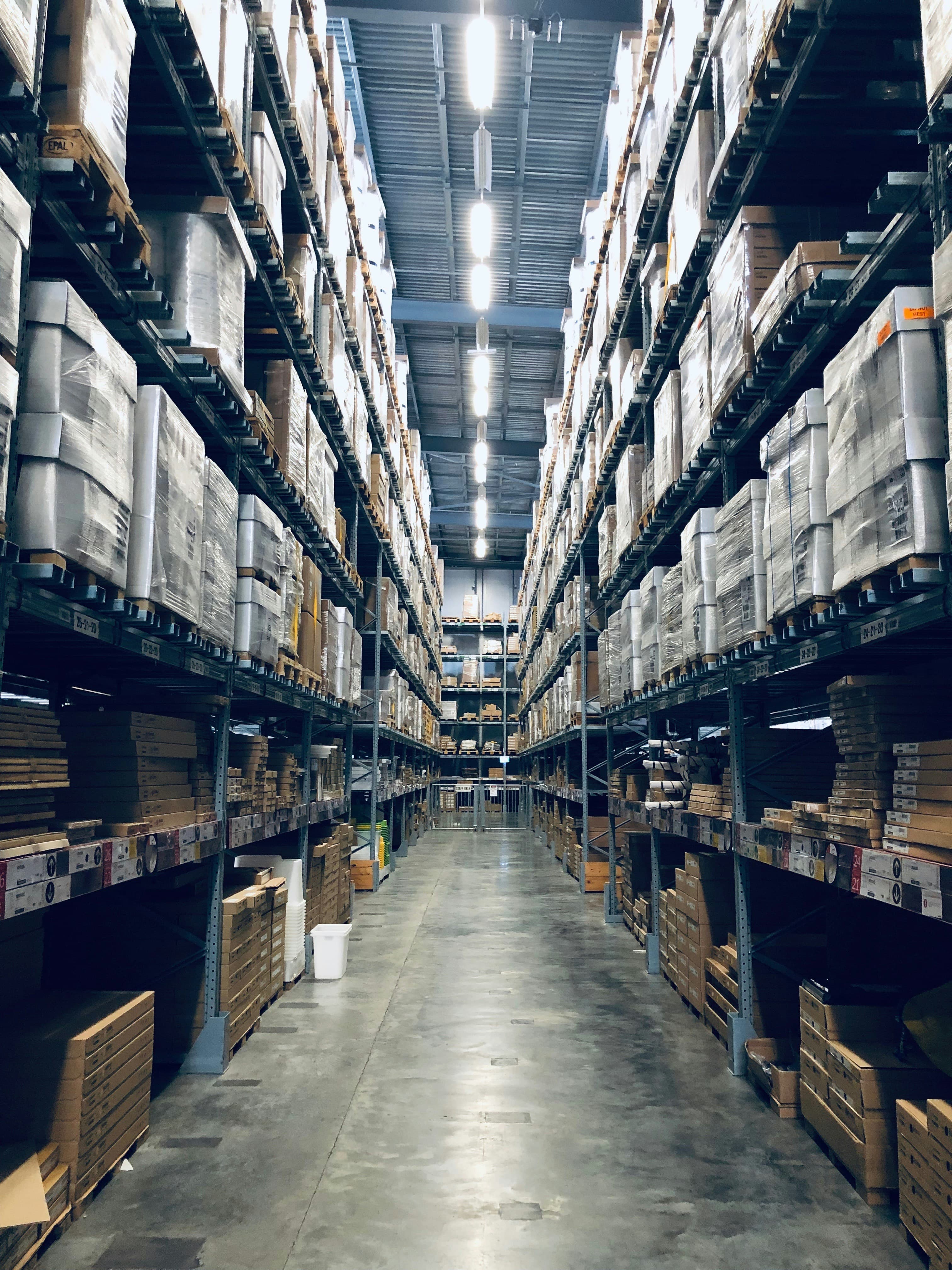
At 3PLGuys, we're built specifically for viral moments. Our same-day processing (orders before 2 PM PST ship that day), scalable warehouse capacity, and multi-carrier shipping network means we can go from 100 orders a day to 10,000 without missing a beat. When your product blows up on TikTok, we scale with you instead of becoming a bottleneck.
The Viral Product Problem
Traditional fulfillment systems are built around predictable demand. They assume order volume grows gradually, that you can forecast inventory needs weeks in advance, and that exceptions are rare enough to handle manually.
Social media breaks all of those assumptions.
A single piece of content — a TikTok video, an influencer mention, a Reddit thread that hits the front page — can trigger a 10x to 100x increase in orders within hours. According to recent surveys, 71% of consumers say they've purchased or considered purchasing a product because it went viral. Among Gen Z, that figure rises to 75%. And 38% of consumers decide to buy within 48 hours of seeing a viral product.
The speed is what kills most brands. You don't have days to react. By the time you realize what's happening, you're already behind.
Real Examples of Brands That Went Viral
The stories are everywhere. Nature Spell, a personal care brand, watched their TikTok visibility push daily orders from a handful of sales to 2,000 — eventually scaling to 9,000 daily orders. Small supplement brands have seen single videos drive 500% increases in sales within 24 hours. Beauty products featured by the right creator sell out in minutes.
Some brands handle it well and ride the wave to sustainable growth. Others crash hard. The difference usually comes down to whether their fulfillment infrastructure could flex with demand.
What Breaks When Orders Spike
When viral demand hits, three things fail almost simultaneously:
Inventory
You don't have enough product. Even if you've been conservative with inventory planning, a 20x spike depletes your stock in hours. Reordering takes weeks if you're manufacturing overseas. Customers see "out of stock" and buy from a competitor. You lose not just immediate sales but future customers who might never come back.
Labor
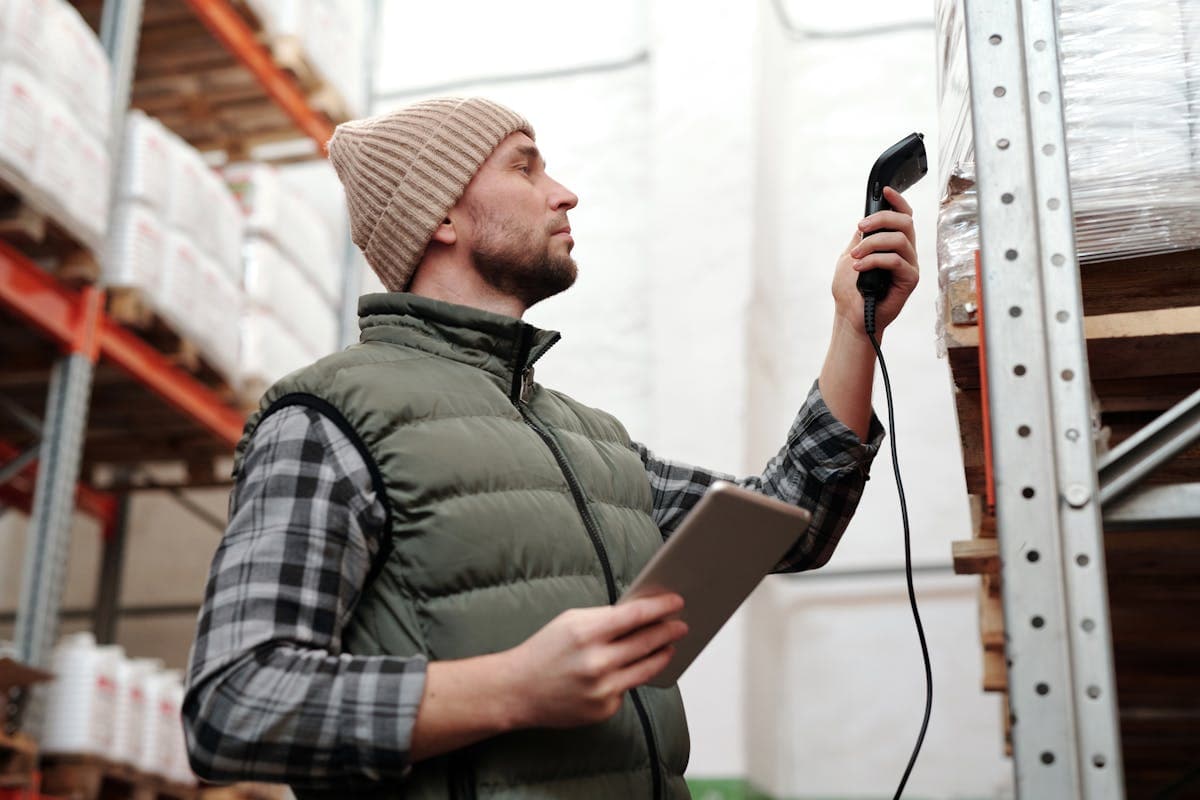
Your pick-and-pack team can't keep up. Whether you're fulfilling in-house or working with a 3PL, there's a limit to how many orders can ship in a day. Without additional staff on short notice, orders pile up. Processing times stretch from same-day to several days. Shipping delays cascade.
Shipping
Carrier capacity isn't infinite. During peak periods, even major carriers can struggle to pick up and move increased volume. And if you're hitting a viral spike at the same time as a holiday season or Prime Day, you're competing for carrier attention with every other brand running promotions.
The downstream effect is brutal. TikTok Shop, for example, enforces a 2-day dispatch SLA. Miss it consistently and your shop gets penalized — reduced visibility, lower search ranking, or even suspension. When 62% of consumers say they'll abandon a brand or buy elsewhere when trending products are unavailable, fulfillment failures don't just cost you immediate revenue. They cost you the customers you worked so hard to acquire.
Preparing for Potential Virality
You can't predict what will go viral. But you can build systems that bend instead of break.
Build Buffer Stock for High-Potential SKUs
Identify your most shareable products — the ones with visual appeal, unique value propositions, or social proof. Maintain higher safety stock on these items. Yes, this ties up cash. But it's insurance against missing your moment.
Know Your Reorder Lead Times
Document exactly how long it takes to replenish each product. Factor in manufacturing time, shipping from overseas, customs clearance, and receiving at your warehouse. When orders spike, you need to know immediately whether you can restock in time to capture ongoing demand.
Pre-Negotiate Supplier Priorities
Talk to your suppliers before you need rush orders. Can they prioritize your production if demand spikes? What's the lead time for expedited manufacturing? Having these conversations in advance means faster action when the moment comes.
Stress Test Your Systems
Run scenarios with your 3PL or fulfillment team. What happens if orders triple tomorrow? What's the maximum daily throughput? Where are the bottlenecks? Identifying weak points before they break gives you time to reinforce them.
Working With Your 3PL on Surge Capacity
Your 3PL partnership matters more during demand spikes than at any other time. Here's what to discuss:
Scalable Warehouse Space
As order volumes rise, your 3PL should be able to allocate additional storage and fulfillment capacity without you having to sign a new lease or commit to long-term costs. Ask how they handle sudden increases in storage needs.
Flexible Workforce
The best 3PLs maintain relationships with staffing agencies and have processes to bring in trained temporary workers quickly. Their teams should already understand fulfillment processes, not need days of training before they're productive.
Multi-Location Distribution
If your 3PL operates multiple warehouses, they can shift inventory and staff between locations based on real-time demand. This gives you geographic redundancy and faster shipping to more customers.
Carrier Relationships
Most reputable 3PLs negotiate volume discounts with major carriers like UPS, FedEx, and USPS. More importantly, they have relationships that help ensure pickup capacity when you need it most. Ask how they handle carrier allocation during peak periods.
Same-Day Processing Commitments
During viral spikes, processing speed is everything. Confirm your 3PL's same-day cutoff times and their capacity to extend hours during unexpected surges. The difference between shipping today and shipping tomorrow can determine whether your shop metrics stay healthy.
Inventory Positioning Strategies
Where your inventory sits matters as much as how much you have.
Distribute Across Multiple Locations
If your 3PL has multiple fulfillment centers, spread your top-selling SKUs across them. This reduces shipping distance to customers in different regions and provides backup capacity if one location gets overwhelmed.
Keep Fast-Turn Inventory Close to Carrier Hubs
Fulfillment centers near major carrier hubs mean later pickup times and faster transit. When you're racing to meet SLAs during a demand spike, every hour counts.
Consider Forward Stocking for Predictable Markets
If you know certain products sell better in specific regions — coastal cities for beauty products, fitness hubs for supplements — position more inventory in those areas. You'll ship faster and cheaper when demand hits.
Maintain Visibility Across All Channels
Use a WMS that gives you real-time inventory counts across every channel you sell on — TikTok Shop, Amazon, Shopify, wherever. When a viral moment starts, you need to know immediately how much stock you can allocate before overselling.
Communication During Spikes
How you communicate during a demand spike can determine whether customers stay loyal or leave frustrated.
Update Customers Proactively
If shipping times extend, tell customers before they have to ask. A proactive email about a 1-2 day delay gets a much better response than silence followed by a complaint.
Manage Expectations on Product Pages
If stock is running low, show it. "Only 50 left" creates urgency without overselling. If you're restocking soon, say when. Transparency builds trust even when you can't deliver immediately.
Coordinate With Your Marketing Team
When orders spike, your marketing team should know to pause or scale back paid ads until fulfillment catches up. Acquiring new customers during a spike only makes sense if you can fulfill their orders without destroying your service metrics.
Keep Your 3PL in the Loop
If you're planning a marketing push or a creator partnership that might drive unusual volume, tell your fulfillment partner in advance. Even a few days of notice helps them prepare staffing and carrier capacity.
FAQ
How quickly can a 3PL scale up during a demand spike?
A well-prepared 3PL can increase capacity within 24-48 hours by bringing in temporary staff from their staffing network. Scaling warehouse space may take longer, but most 3PLs maintain buffer capacity for exactly this reason. The key is having the conversation about surge capacity before you need it.
What's the biggest mistake brands make during viral moments?
Continuing to drive traffic without checking fulfillment capacity. Many brands keep running ads or pushing creator content even as orders pile up and shipping times stretch. This creates a wave of late shipments and negative reviews that damages long-term reputation.
How much buffer inventory should I keep for viral-potential products?
There's no universal formula, but 2-4 weeks of average sales as safety stock is a reasonable starting point for high-potential SKUs. Adjust based on your reorder lead times and cash flow constraints. Products with longer manufacturing lead times need more buffer.
Can I use multiple 3PLs to handle demand spikes?
Yes, but it adds complexity. You'll need systems that can route orders to different fulfillment centers and maintain inventory accuracy across locations. Some brands use a primary 3PL for everyday volume and a secondary partner as overflow during peak periods.
What should I include in my 3PL contract regarding surge capacity?
Define expectations around maximum daily throughput, staffing flexibility, and communication during high-volume periods. Some contracts include provisions for guaranteed capacity increases within specific timeframes, which protects you when demand spikes unexpectedly.
The Bottom Line
Viral moments don't wait for you to be ready. The brands that capture them have built flexibility into every part of their fulfillment operation — buffer inventory, scalable 3PL partnerships, multiple carrier options, and systems that provide real-time visibility.
You can't control what goes viral. But you can control whether your fulfillment breaks or bends when it happens.
If you're scaling on TikTok Shop or other social commerce channels, talk to us about building surge capacity into your fulfillment strategy. We help brands go from 100 orders a day to 10,000 without missing a beat.