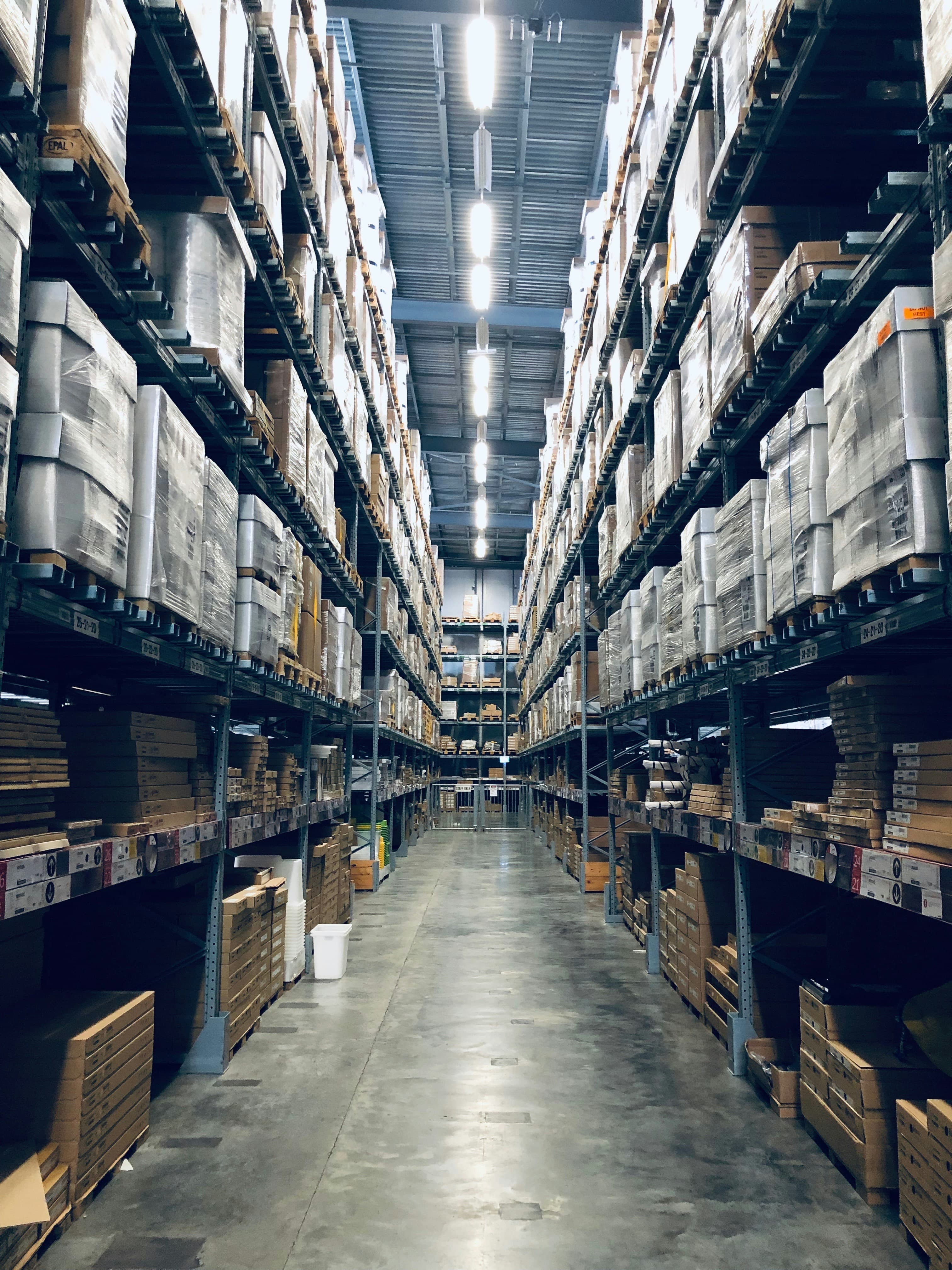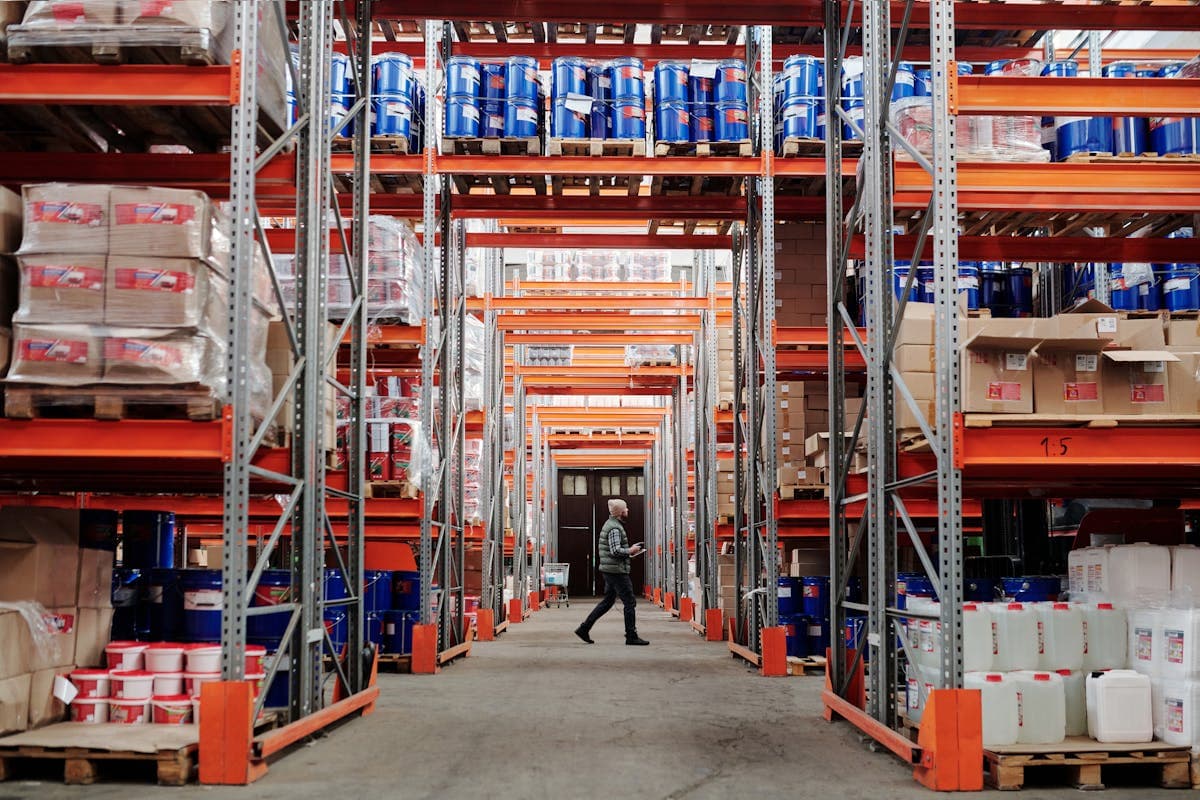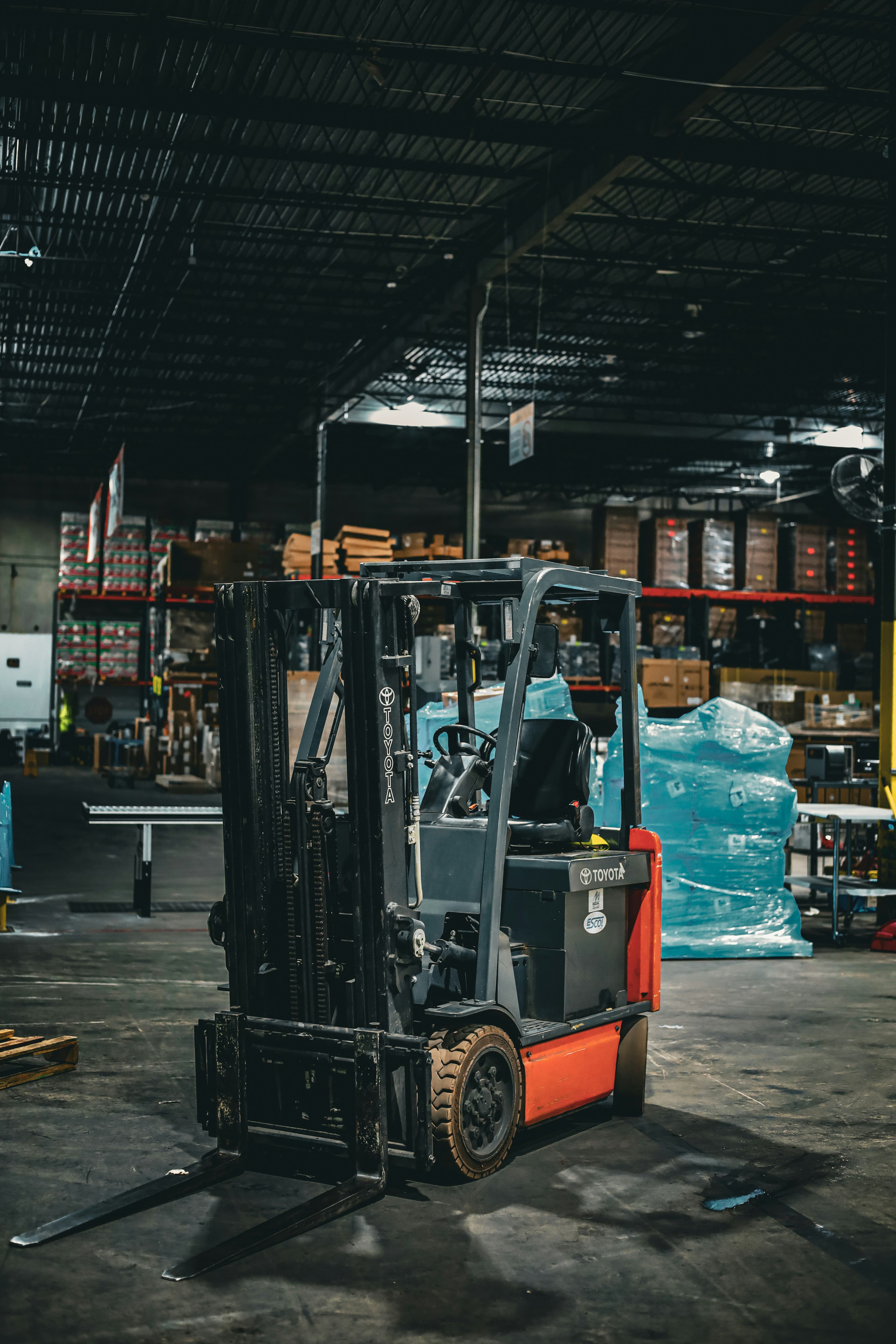
Cosmetics fulfillment is the storage, handling, picking, packing, and shipping of beauty products — skincare, makeup, haircare, fragrance, and personal care — under conditions that preserve product integrity and satisfy FDA regulations. It differs from general e-commerce fulfillment in four fundamental ways: products are temperature-sensitive, packaging is fragile, inventory must be lot-tracked for recalls and expiration, and the regulatory environment (especially since MoCRA) holds brands accountable for how their products are stored and distributed.
Put simply: a t-shirt doesn't care what warehouse it sits in. A vitamin C serum does.
This guide explains what cosmetics fulfillment involves, what the FDA actually requires, what MoCRA changed, and how to evaluate a fulfillment partner for a beauty brand.
What Is Cosmetics Fulfillment?
In operational terms, cosmetics fulfillment covers the full journey of a beauty product between the manufacturer and the customer:
- Receiving — inbound shipments are inspected, counted, and logged with lot numbers, manufacture dates, and expiration dates before entering storage
- Storage — products are held in climate-controlled, sanitary conditions that prevent degradation and contamination
- Inventory management — stock is tracked at the lot level, rotated FEFO (First Expired, First Out), and monitored for approaching expiration
- Order fulfillment — units are picked, protectively packed (glass wrapped, void filled), and shipped, often with branded packaging and inserts
- Returns processing — returned cosmetics are inspected and dispositioned; opened products are never restocked
- Compliance support — documentation, traceability, and recall readiness that regulations require of the brand
A provider that does this as a specialty is a cosmetics 3PL (third-party logistics provider). The distinction matters because every item on that list has a beauty-specific failure mode that general fulfillment operations aren't built to prevent.
FDA Requirements for Cosmetics Storage
Cosmetics are regulated in the United States by the FDA under the Federal Food, Drug, and Cosmetic Act. The FDA does not "approve" cosmetics before sale (except color additives), but it prohibits adulterated and misbranded cosmetics — and adulteration is where fulfillment enters the picture.
Under FDA rules, a cosmetic is adulterated if, among other things, it has been "prepared, packed, or held under insanitary conditions whereby it may have become contaminated with filth or rendered injurious to health." That phrase — packed or held — puts warehousing directly in regulatory scope. In practice, compliant cosmetics storage means:
- Sanitary facilities — clean storage areas, documented pest control, and segregation from chemicals or contaminating goods
- Controlled conditions — temperature and humidity that don't degrade formulas or compromise packaging seals
- Traceability — the ability to identify and locate affected lots if a problem surfaces
- Intact labeling — handling that doesn't damage or obscure required label information
The FDA has also published Good Manufacturing Practice (GMP) guidance for cosmetics. GMP formally targets manufacturing, but its storage and documentation principles are the standard that serious fulfillment operations adopt — and facilities that are FDA-registered and cGMP-compliant are audited against exactly these expectations.
MoCRA Compliance for Fulfillment
The Modernization of Cosmetics Regulation Act (MoCRA), passed at the end of 2022, is the biggest expansion of FDA authority over cosmetics since 1938. It made several things mandatory that were previously voluntary:
- Facility registration — establishments that manufacture or process cosmetics for U.S. distribution must register with the FDA
- Product listing — brands must list products and ingredients with the FDA
- Adverse event reporting — serious adverse events must be reported, with records maintained
- Safety substantiation — brands must maintain evidence their products are safe
- Mandatory recall authority — the FDA can now order recalls of cosmetics, not just request them
For fulfillment, the practical consequences are concrete. Adverse event investigation and recalls both depend on knowing which lots went where — if the FDA orders a recall of one batch, a brand whose warehouse can't isolate that batch has to recall everything, at catastrophic cost. MoCRA effectively makes lot-level traceability a survival requirement for beauty brands, and it makes the fulfillment partner part of the brand's compliance chain: records of what was received, stored, shipped, and returned — by lot — are what recall readiness is made of.
When brands evaluate a cosmetics fulfillment partner post-MoCRA, "can you execute a lot-level recall in hours, with documentation?" has become a first-order question rather than a nice-to-have.
Temperature and Storage Requirements
Most cosmetics are formulated to be stable at controlled room temperature — roughly 59–77°F (15–25°C). Outside that band, chemistry starts working against the product:
- Vitamin C (ascorbic acid) serums oxidize in heat — the formula yellows, then browns, and loses efficacy
- Retinol and peptides degrade with heat exposure, quietly reducing potency
- Emulsions (creams, lotions, foundations) can separate when heat cycles break the emulsion
- Lipsticks and balms soften and melt in warehouse conditions that routinely exceed 100°F in summer
- Natural and "clean" formulas with minimal preservative systems have the least tolerance of all
- Fragrances are alcohol-based and flammable — they carry hazmat storage and shipping requirements on top of temperature concerns
The failure mode is invisible: a non-climate-controlled warehouse in summer doesn't produce dramatic damage photos, it produces customers receiving separated moisturizer and brown serum. This is why climate control — in the storage racks and at the receiving and shipping docks — is the first physical requirement of cosmetics fulfillment, and why temperature-sensitive categories like skincare fulfillment treat monitored storage as non-negotiable.
Lot Tracking and Expiration Management
Every unit of a cosmetic product belongs to a lot (or batch) — a production run with its own manufacture date, expiration or period-after-opening dating, and quality record. Cosmetics fulfillment tracks inventory at that level, not just at the SKU level:
- At receiving, lot numbers and expiration dates are captured into the WMS before product hits a shelf
- In storage, each pallet and bin is tied to its lot
- At picking, the system enforces FEFO — First Expired, First Out — so the shortest-dated sellable stock always ships first
- Approaching expiry, the brand gets alerts (typically 90+ days out) while there's still time to run promotions or bundles instead of writing inventory off
- At shipping, lot-to-order records make it possible to know exactly which customers received a given batch
Without lot tracking, three bad things happen predictably: stock expires on the shelf while newer inventory ships (plain FIFO ignores expiry dates), recalls become all-or-nothing, and MoCRA adverse-event investigations have no data to work with. This capability, more than any other, separates a true cosmetics 3PL from a general warehouse that "also does beauty."
Fragile Handling for Glass Packaging
Beauty packaging is dominated by glass — droppers, pump bottles, jars, perfume flacons — plus mirrored compacts and pressed powders that shatter on impact. Fragile handling in cosmetics fulfillment is a set of deliberate protocols:
- Individual wrapping of glass units so items in multi-product orders never touch glass-to-glass
- Dividers and inserts for multi-bottle shipments
- Void fill discipline so products can't shift inside the carton in transit
- Crush-resistant cartons sized to the order, since oversized boxes with empty space are where breakage happens
- Pressed-powder protocols — palettes and compacts fail from shock, not pressure, and need cushioning on all six sides
Well-run cosmetics operations track damage rates the way they track order accuracy, and hold them under a fraction of a percent. The difference shows up directly in review scores — "arrived broken" and "leaked everywhere" are among the most common one-star reviews in the beauty category.
Fragrance, nail polish, and aerosols add a second layer: they're hazmat (flammable liquids and pressurized containers) with their own storage, labeling, and carrier requirements. A cosmetics 3PL handling full beauty lines needs hazmat capability, not just fragile handling.
Cosmetics Fulfillment vs. General Fulfillment
The differences summarized:
| General Fulfillment | Cosmetics Fulfillment | |
|---|---|---|
| Storage | Ambient warehouse | Climate-controlled, monitored, sanitary |
| Inventory | SKU-level counts | Lot-level tracking with FEFO rotation |
| Expiration | Rarely tracked | Captured at receiving, alerts before expiry |
| Handling | Standard pick/pack | Glass wrapping, dividers, powder protocols |
| Regulatory | Minimal | FDA sanitary requirements, MoCRA traceability, GMP-aligned documentation |
| Hazmat | Usually declined | Fragrance, nail polish, aerosols handled |
| Returns | Restock by default | Inspect and disposition; opened product never restocked |
| Packaging | Functional | Branded unboxing — tissue, inserts, samples |
A general 3PL isn't doing anything wrong by lacking these capabilities — they're simply built for products that don't need them. The mismatch only becomes visible when a beauty brand's inventory spends a summer in ambient storage.
How to Choose a Cosmetics 3PL
If you're evaluating fulfillment partners for a beauty brand, the questions that separate specialists from generalists:
- "Is your facility FDA-registered? Are you cGMP-compliant?" — Registration and GMP alignment are verifiable, not marketing language. Very few fulfillment providers can answer yes to both.
- "What temperature range do you maintain, and where's the monitoring data?" — "Climate controlled" should come with a number and logs, and should cover docks, not just racks.
- "Walk me through a lot-level recall." — The answer should describe isolating a batch, identifying affected orders, and producing documentation in hours.
- "What's your documented damage rate on glass?" — Specialists know this number.
- "Can you handle my fragrance and nail SKUs?" — Hazmat capability, or a plan for those SKUs, before signing.
- "How do you handle returns disposition?" — Opened cosmetics must be quarantined and destroyed, never restocked.
- "Can you support D2C, retail, and Amazon from one inventory pool?" — Beauty brands almost always end up multi-channel; split inventory pools are expensive.
Category depth matters too: a partner that already runs skincare, haircare, and color cosmetics programs has seen your failure modes before you have.
The Bottom Line
Cosmetics fulfillment is the discipline of moving beauty products without degrading, breaking, or losing track of them — under a regulatory framework (FDA sanitary requirements, and now MoCRA's traceability and recall provisions) that makes the warehouse part of the brand's compliance story. The core capabilities are climate-controlled sanitary storage, lot tracking with FEFO rotation, fragile and hazmat handling, and documentation deep enough to survive an audit or execute a recall.
At 3PLGuys, we run cosmetics fulfillment from an FDA-registered, cGMP-compliant, climate-controlled facility in Paramount, CA — with lot tracking, FEFO rotation, hazmat capability, and same-day shipping for beauty brands across skincare, makeup, haircare, and fragrance.
Explore our cosmetics fulfillment services or get a quote for your beauty brand.