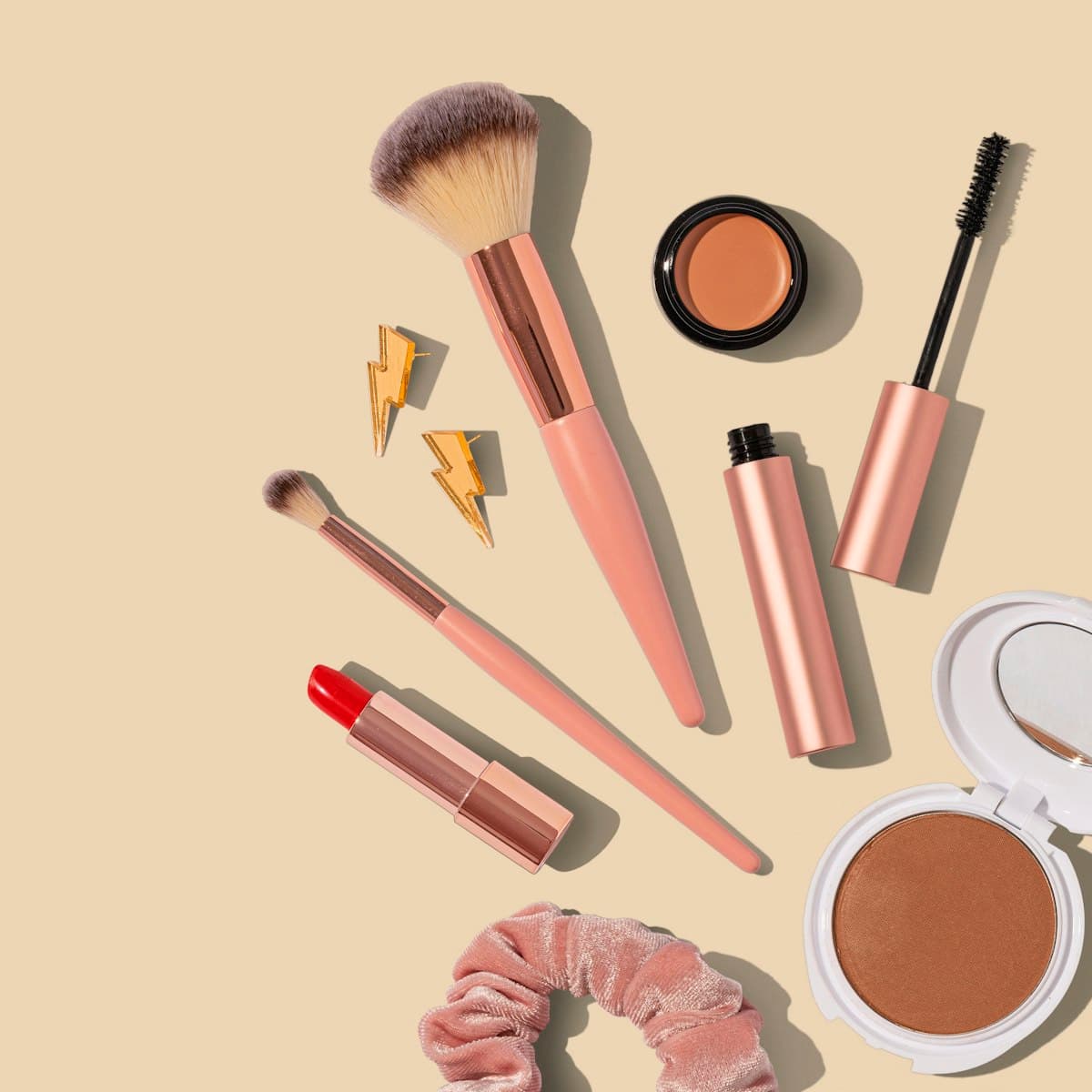
Launching a beauty brand looks glamorous on Instagram. The reality is a 12-18 month grind of formulation, regulatory work, packaging decisions, channel strategy, and operational setup before you ship your first order. Our beauty fulfillment team works with beauty brands at every launch stage and see the same patterns repeat — brands that succeed get the unglamorous fundamentals right before they worry about influencer seeding. This playbook walks the full beauty launch process.
Phase 1: Formulation and Product Development
Picking Your Category and Position
Beauty has dozens of subcategories. Skincare alone splits into cleansers, toners, serums, moisturizers, sunscreens, masks, and treatments. Pick narrow:
- Specific skin concern (acne-prone, mature, sensitive)
- Demographic (Gen Z, men's skincare, postpartum)
- Philosophy (clean beauty, biotech-derived, ayurvedic)
- Use occasion (overnight repair, post-workout, travel)
Brands that try to be everything to everyone disappear. Brands that nail one position before expanding survive.
Working With Contract Manufacturers (CMOs)
Most beauty brands use contract manufacturers. Things to evaluate:
- FDA registration — Required for cosmetics manufacturing
- GMP certification — Increasingly mandatory under MoCRA
- Minimum order quantities — Often 500-5,000 units per SKU
- Stock vs custom formulations — Stock is faster/cheaper; custom is differentiated
- Lead times — Typically 12-20 weeks from order to delivery
- Stability testing — Required to determine shelf life and storage conditions
Get samples from 3-5 CMOs before committing. The cheapest manufacturer often produces inconsistent batches that destroy your brand reputation.
Ingredient Sourcing
Beauty ingredients carry brand value:
- Branded actives (Niacinamide, hyaluronic acid types, peptide complexes)
- Sustainable/ethical certifications (RSPO palm oil, Fair Trade)
- Patent-pending or proprietary blends
- Domestic vs international sourcing affects tariffs
Document everything. Beauty customers research ingredients aggressively, and influencer fact-checkers will catch any inconsistency.
Phase 2: Regulatory and Compliance
MoCRA Compliance
The Modernization of Cosmetics Regulation Act (MoCRA) gave FDA expanded authority over cosmetics:
- Facility registration — Required for manufacturing and processing facilities
- Product listing — All cosmetic products must be listed in FDA database
- Safety substantiation — Brands must have documentation supporting product safety
- Adverse event reporting — Serious adverse events reported within 15 days
- Good Manufacturing Practices — FDA establishing mandatory GMP standards
- Labeling requirements — Ingredient declarations, warnings, allergen disclosures
If you contract manufacture, your CMO handles facility registration. You handle product listings.
Label Requirements
Beauty labels must include:
- Product identity statement
- Net quantity of contents
- Ingredient declaration in descending order
- Manufacturer/distributor name and address
- Country of origin
- Warnings and precautions
- Use instructions for OTC drug-classified products
Drug vs cosmetic classification matters — sunscreens, anti-acne, anti-dandruff are drugs under FDA, with stricter labeling.
Claims You Can and Can't Make
Cosmetic claims are restricted:
- ALLOWED: "moisturizes," "brightens appearance," "smooths skin"
- NOT ALLOWED: "treats," "cures," "prevents wrinkles" (drug claims)
- GRAY AREA: "anti-aging" (commonly used but treads carefully)
Crossing into drug claims triggers FDA enforcement. Many beauty brands have had to relabel and recall products for over-aggressive claims.
Beauty Fulfillment Built for Brand Launches
3PLGuys is FDA-registered with climate-controlled storage for cosmetics. We handle brands from first 50 orders to 50,000+. Fragile glass handling, lot tracking, FEFO rotation, custom kitting for influencer mailers. Flexible terms.
Get a Quote →Phase 3: Packaging and Brand Experience
Primary Packaging
The container holding your product. Beauty customers judge brands by:
- Material (glass, premium plastic, sustainable refillable)
- Closure (pump, dropper, jar, tube)
- Print quality and design refinement
- Tactile feel (frosted glass vs cheap plastic is obvious)
Don't skimp here. Premium pricing requires premium packaging.
Secondary Packaging
The outer box, tissue, inserts, mailer. This is your unboxing experience:
- Custom printed mailers or boxes
- Branded tissue paper, crinkle, or ribbon
- Quality thank-you cards or instruction inserts
- Sample sachets where margins allow
Beauty customers share unboxing on TikTok and Instagram. The unboxing is part of the product.
Sustainability Considerations
Modern beauty consumers care about packaging:
- Recyclable materials
- Refillable systems
- Reduced plastic
- Compostable mailers and inserts
Sustainability isn't free — but customers increasingly demand it from premium brands.
Phase 4: Channels and Pricing
Choosing Your Launch Channel
Most beauty brands launch on:
- Shopify (DTC) — Full margin, full brand control, requires marketing spend
- Amazon — Massive audience, strict cosmetics requirements, lower margin
- TikTok Shop — Younger audience, viral potential, fulfillment speed critical
- Retail/wholesale — Higher volume, lower margin, longer relationship-building
Most beauty brands succeed by launching DTC first to build brand identity, then expanding to additional channels at 6-12 months.
Pricing Strategy
Beauty pricing communicates positioning:
- Mass market: $5-20/unit
- Masstige: $20-45/unit
- Premium: $45-90/unit
- Luxury: $90+/unit
Your CMO costs, packaging quality, and ingredient stories must support the price tier. Premium prices with mass-market manufacturing get exposed quickly.
Influencer and PR Strategy
Beauty marketing depends heavily on influencer seeding:
- Identify 20-50 micro-influencers in your specific niche
- Send well-packaged PR boxes with personal notes
- Track engagement, not just follower count
- Build relationships, not transactional posts
The first 100 honest influencer reviews build foundation credibility.
Phase 5: Fulfillment and Operations
When to Use a 3PL
Beauty brands often handle fulfillment in-house until 100-200 orders/day. Switch to a 3PL when:
- Glass breakage becomes routine
- Returns processing eats your time
- Compliance documentation falls behind
- You can't reliably ship same-day
- Customer service is overwhelmed
What a Beauty 3PL Should Provide
Not all 3PLs handle cosmetics well. Required capabilities:
- FDA-registered facility
- Climate-controlled storage (60-77°F, humidity controlled)
- Fragile glass handling with documented damage rates
- Lot tracking for recall capability
- FEFO rotation for expiration management
- Kitting expertise for influencer kits and gift sets
- Hazmat handling for aerosols, nail polish, perfumes
Generic ecommerce 3PLs damage glass, mismanage expiration, and produce ugly unboxing experiences.
Inventory Planning
Beauty inventory planning is harder than most categories:
- Long manufacturing lead times (12-20 weeks)
- Seasonal demand spikes (Q4 gifting, Valentine's, Mother's Day)
- Influencer-driven viral spikes that are hard to forecast
- Color/scent variants requiring separate inventory tracking
- Expiration management for active ingredients
Maintain 4-6 months of safety stock. Stockouts of "viral" SKUs destroy momentum.
Phase 6: First Sale to First 1,000 Customers
Pre-Launch Audience Building
Build email lists before launch:
- Founder content on social
- Waitlist landing page with sample/discount incentive
- Influencer partnerships during pre-launch
- Press outreach 60 days before launch
Launch Day
- Email blast to waitlist
- 15-25% launch discount
- Influencer post coordination
- Founder-led PR
- Same-day shipping commitment
Customer Service Discipline
Beauty customers expect premium service:
- Same-day response on all inquiries
- Founder-personalized responses for first 6 months
- Document every complaint pattern
- Use feedback to refine product or messaging
Retention Engineering
Beauty repurchase rates are typically 25-40% within 90 days. Boost retention:
- Replenishment reminders
- Loyalty programs (points, early access)
- Subscribe-and-save with meaningful discount
- Educational content (how to use, when to expect results)
Common Beauty Launch Mistakes
- Overcommitting on inventory before validating product-market fit
- Underestimating MoCRA compliance complexity
- Choosing cheapest CMO without sample stability testing
- Skimping on packaging that doesn't match price tier
- Trying to launch on Amazon, Shopify, and TikTok Shop simultaneously
- Underpricing then unable to fund marketing
- Ignoring fulfillment until orders pile up
The Bottom Line
Beauty brand launches are 12-18 month projects when done right. The brands that survive are the ones who treat regulatory, packaging, and fulfillment as foundational — not afterthoughts.
At 3PLGuys, we handle beauty fulfillment for brands from their first 50 orders to scaling phases. FDA-registered, cGMP-compliant facility, climate-controlled storage, fragile glass handling, lot tracking, FEFO rotation, and kitting expertise for influencer kits and gift sets. Same-day processing for orders before 2 PM PT, dedicated account managers, flexible terms.