Coffee and tea fulfillment presents unique challenges that general 3PLs aren't equipped to handle. Freshness degrades from the moment coffee is roasted. Tea absorbs moisture and odors. Customers expect products that taste fresh, not warehouse-stale.
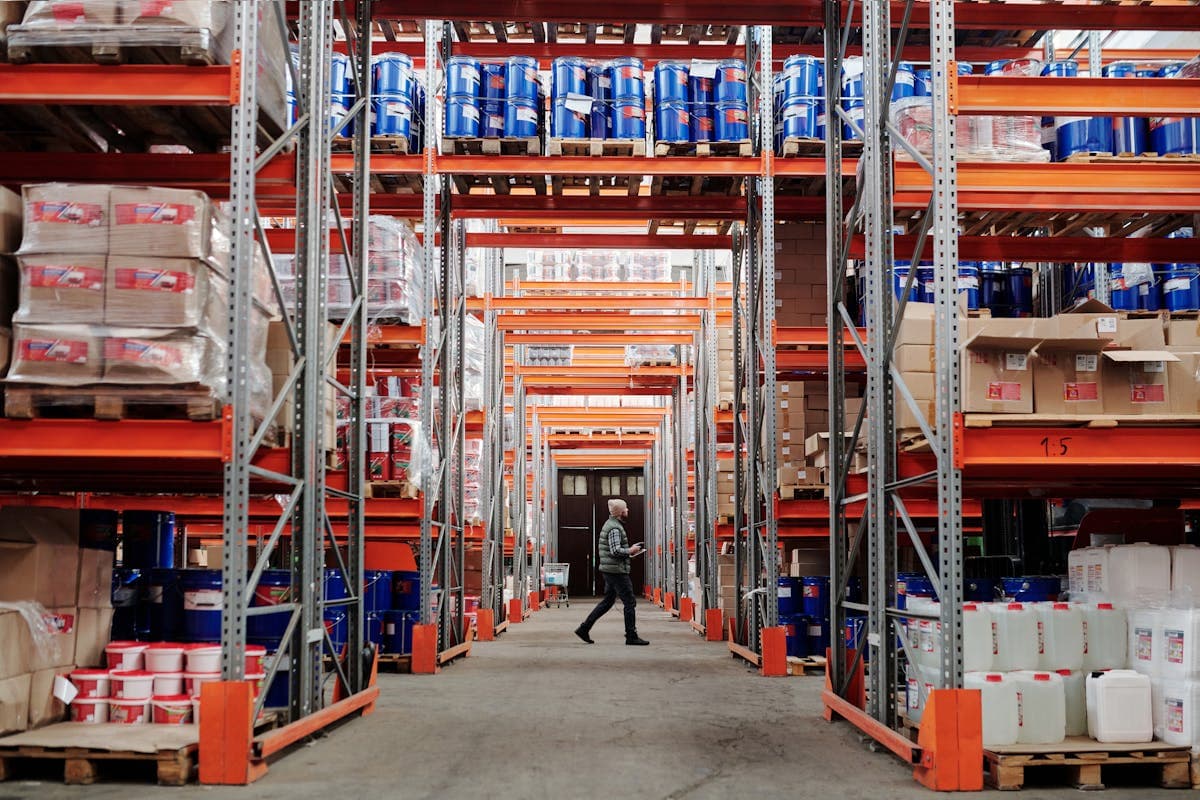
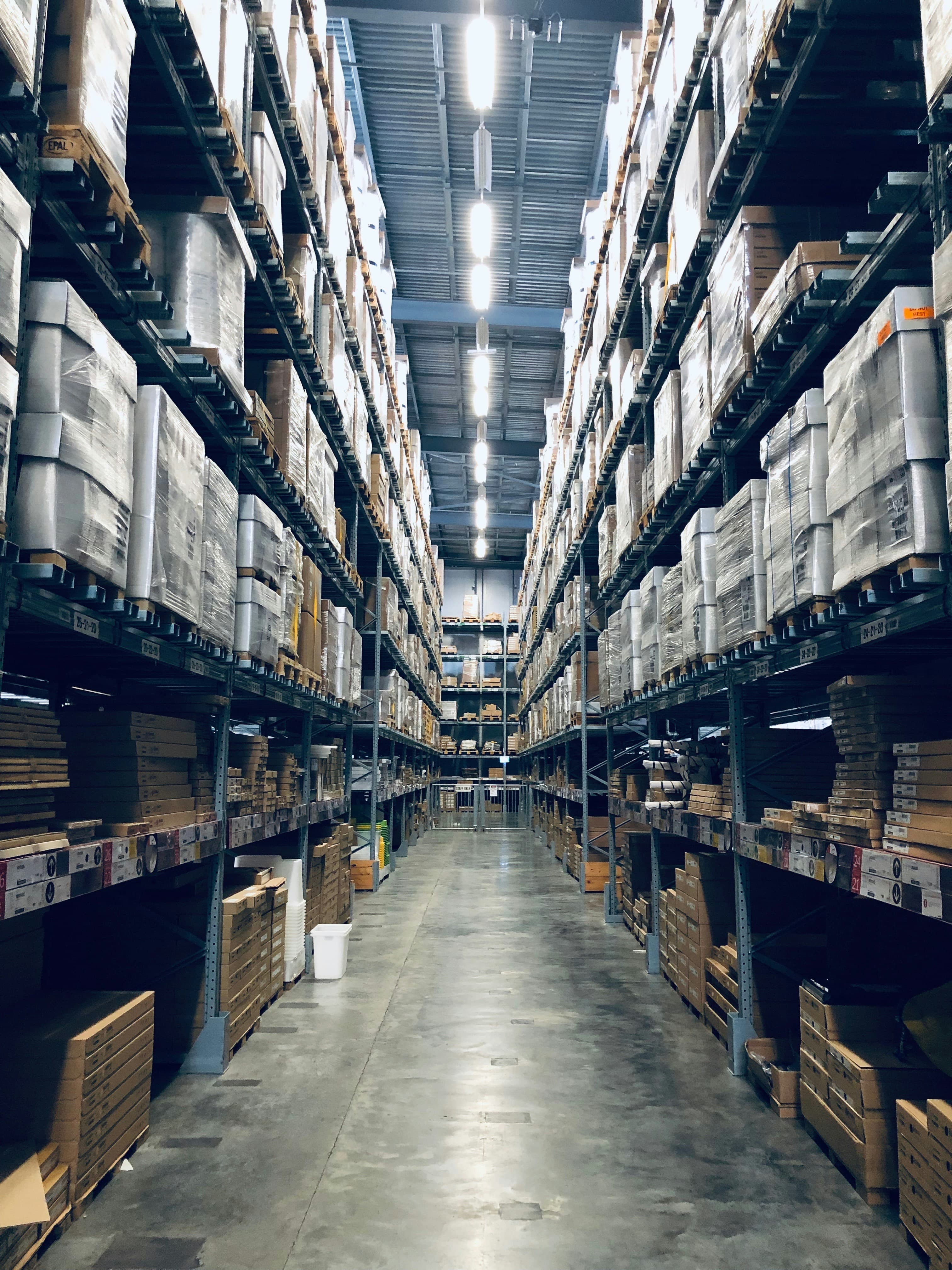
At 3PLGuys, we manage coffee and tea fulfillment from our climate-controlled facility in Paramount, CA. FEFO rotation by roast date, humidity-controlled storage, and same-day shipping for orders before 2 PM PT. We understand that your brand reputation depends on freshness.
This guide covers everything coffee and tea brands need to know about fulfillment.
Why Coffee and Tea Need Specialized Fulfillment
Coffee and tea are perishable products with specific degradation patterns:
Coffee Freshness Timeline
| Days After Roast | Freshness Level | Customer Impact |
|---|
| 0-7 days | Peak freshness | Optimal flavor, strong aroma |
| 7-14 days | Very good | Slight flavor reduction |
| 14-30 days | Good | Noticeable flavor decline |
| 30-60 days | Acceptable | Significant staleness |
| 60+ days | Stale | Poor customer experience |
Most specialty coffee brands want products shipped within 7-14 days of roast. After 30 days, customer complaints increase significantly.
Tea Freshness Considerations
| Tea Type | Freshness Window | Storage Sensitivity |
|---|
| Green tea | 6-12 months | Very sensitive to heat, light, moisture |
| Black tea | 12-24 months | Moderate sensitivity |
| Oolong tea | 12-18 months | Moderate sensitivity |
| White tea | 12-24 months | Sensitive to moisture |
| Herbal tea | 12-18 months | Absorbs odors easily |
| Matcha | 1-2 months (opened), 12 months (sealed) | Extremely sensitive |
Tea doesn't degrade as quickly as coffee, but improper storage causes quality loss that customers notice.
Inventory Rotation: FEFO vs. FIFO
For coffee and tea, FEFO (First Expired, First Out) based on roast date is essential.
Why FIFO Fails for Coffee
| Scenario | FIFO Result | FEFO Result |
|---|
| Receive Batch A (roasted Jan 1) | Ship first | Ship first (earlier roast) |
| Receive Batch B (roasted Jan 5) | Ship second | Ship second |
| Receive Batch C (roasted Dec 28, delayed shipment) | Ship last (newest inventory) | Ship first (earliest roast date) |
With FIFO, Batch C ships last despite being roasted earliest. The customer receives stale coffee. FEFO ensures the oldest roast date always ships first.
Implementing FEFO for Coffee
| Process Step | Requirement |
|---|
| Receiving | Record roast date on every batch |
| Putaway | Organize inventory by roast date |
| Pick logic | WMS selects oldest roast date first |
| Alerts | Flag inventory approaching freshness threshold |
| Quarantine | Remove products past acceptable date |
Roast Date Thresholds
Configure your 3PL's system with freshness thresholds:
| Threshold | Action |
|---|
| Ship within X days of roast | Standard fulfillment |
| X-Y days post-roast | Flag for review; discount? |
| Beyond Y days | Do not ship; donate or destroy |
Example: Ship within 21 days, flag at 21-30 days, pull at 30+ days.
Temperature and Humidity Control
Storage conditions directly impact coffee and tea quality.
Ideal Storage Conditions
| Product | Temperature | Humidity | Light |
|---|
| Roasted coffee (bags) | 60-70°F (15-21°C) | 30-50% RH | Dark |
| Green/raw coffee | 60-70°F (15-21°C) | 50-60% RH | Dark |
| Tea (all types) | 60-70°F (15-21°C) | 30-50% RH | Dark |
| Matcha | 35-45°F (2-7°C) | 30-40% RH | Dark |
Temperature Risks
| Temperature Issue | Impact |
|---|
| Heat exposure (>80°F) | Accelerates staling, oil oxidation |
| Temperature swings | Condensation inside packaging |
| Freezing | Generally fine for long-term but creates logistics complexity |
Humidity Risks
| Humidity Issue | Impact |
|---|
| High humidity (>60%) | Moisture absorption, mold risk, packaging damage |
| Low humidity (<30%) | Packaging may dry and become brittle |
| Humidity swings | Condensation, inconsistent product quality |
Warehouse Requirements
| Requirement | Why It Matters |
|---|
| Climate control | Maintain consistent temp/humidity |
| Humidity monitoring | Logged readings for quality assurance |
| Separation from odors | Coffee absorbs nearby odors |
| Away from loading docks | Docks experience extreme temperature swings |
| Pest control | Mandatory for food-grade storage |
Packaging Considerations
Coffee and tea packaging varies widely, creating different fulfillment requirements.
Coffee Packaging Types
| Packaging | Shelf Life | Fulfillment Notes |
|---|
| Valve bags | 2-4 weeks optimal | Most common; one-way valve releases CO2 |
| Vacuum sealed | 4-8 weeks | Extended shelf life; rigid shape |
| Nitrogen flushed | 4-8 weeks | Best shelf life; fragile seal |
| Cans | 6-12 months | Heavier, more durable |
| K-cups/pods | 6-12 months | Case quantities; consistent shape |
Tea Packaging Types
| Packaging | Shelf Life | Fulfillment Notes |
|---|
| Loose leaf tins | 12-24 months | Heavy, cylindrical shape |
| Tea bags in boxes | 12-24 months | Standard box handling |
| Sachets in pouches | 12-24 months | Flexible packaging |
| Loose leaf bags | 6-12 months | Light, vulnerable to crushing |
| Matcha tins | 6-12 months | Requires cool storage |
Packaging Handling Requirements
| Issue | Solution |
|---|
| Crushed bags | Don't stack heavy items on coffee bags |
| Dented tins | Proper cushioning in shipping boxes |
| Torn pouches | Avoid sharp objects in packing areas |
| Sun exposure | Opaque outer shipping boxes |
| Odor absorption | Separate storage from scented products |
Subscription Fulfillment
Coffee subscriptions are common and require specific workflows.
Subscription Workflow
| Step | Requirement |
|---|
| Order generation | Recurring orders on schedule |
| Roast date alignment | Fresh inventory for subscription shipments |
| Batch processing | Ship all subscriptions efficiently |
| Skip/pause handling | Customer-initiated changes |
| Gift subscriptions | Different shipping address handling |
Subscription Freshness Strategy
| Strategy | Implementation |
|---|
| Hold orders for fresh roasts | Delay shipping until fresh inventory arrives |
| Roast-to-order coordination | Roaster sends inventory to match subscription cycles |
| Rotating single-origin | Different products require inventory planning |
| Buffer stock | Small reserve for order spikes |
Subscription Challenges
| Challenge | Solution |
|---|
| Inventory timing | Coordinate roast schedule with subscription dates |
| Customer changes | Real-time subscription management integration |
| Skipped orders | Don't ship; don't charge |
| Multiple SKUs | Efficient kitting for variety packs |
Food Safety and Compliance
Coffee and tea are food products subject to FDA regulations.
FDA Requirements
| Requirement | Details |
|---|
| Facility registration | Required for food storage facilities |
| Food safety plan | HARPC-based plan (if manufacturing) |
| Allergen control | Separate storage for allergen-containing products |
| Traceability | Lot tracking for recalls |
Storage Facility Requirements
| Requirement | Standard |
|---|
| Pest control | Documented IPM program |
| Cleanliness | Regular cleaning schedule |
| Food-grade surfaces | Non-porous, cleanable |
| Separate storage | Food separated from non-food |
| Temperature logs | Documented monitoring |
Common Compliance Issues
| Issue | Risk | Prevention |
|---|
| Cross-contamination | Allergen exposure | Dedicated allergen areas |
| Pest activity | Product contamination | Regular inspections |
| Temperature excursion | Quality degradation | Alarm monitoring |
| Improper lot tracking | Recall failure | WMS enforcement |
Kitting for Coffee and Tea
Many coffee and tea brands sell variety packs, gift sets, and bundles.
Common Kitting Scenarios
| Kit Type | Components | Fulfillment Notes |
|---|
| Variety pack | Multiple single-origin coffees | Fresh dates across all components |
| Gift set | Coffee + mug + accessories | Fragile item handling |
| Sampler | Small portions of multiple teas | Portion weight accuracy |
| Subscription box | Rotating monthly selections | Monthly component changes |
Kitting Freshness Management
| Challenge | Approach |
|---|
| Mixed roast dates | Use oldest acceptable date as kit date |
| Component availability | Don't pre-kit; kit on demand |
| Shelf life alignment | Components should have similar freshness windows |
Kitting Quality Control
| Check | Purpose |
|---|
| Component verification | Correct items in kit |
| Roast date check | All components within freshness spec |
| Packaging integrity | No damaged components |
| Weight verification | Correct total weight |
Choosing a 3PL for Coffee and Tea
Must-Have Capabilities
| Capability | Why Required |
|---|
| Climate-controlled storage | Temperature and humidity control |
| FEFO inventory rotation | Roast date management |
| Lot tracking | Component traceability |
| Food-grade facility | FDA compliance |
| Subscription support | Recurring order processing |
Questions to Ask
- "What's your temperature and humidity range in storage?"
- "Do you use FEFO rotation based on roast/production date?"
- "How do you handle products approaching freshness thresholds?"
- "Is your facility FDA-registered for food storage?"
- "Can you support subscription fulfillment workflows?"
- "How do you separate coffee from products with strong odors?"
Red Flags
| Red Flag | Concern |
|---|
| FIFO-only inventory | Will ship stale product |
| No humidity monitoring | Quality degradation risk |
| Shared storage with scented products | Odor absorption |
| No food safety documentation | Compliance risk |
| No roast date tracking | Can't manage freshness |
Shipping Considerations
Getting coffee and tea to customers quickly preserves freshness.
Carrier Selection
| Priority | Recommendation |
|---|
| Transit time | 2-3 day delivery preferred |
| Handling | Gentle handling for fragile tins |
| Temperature | Avoid extreme heat exposure |
| Tracking | Customers expect visibility |
Packaging for Shipping
| Element | Purpose |
|---|
| Appropriate box size | Prevent shifting |
| Cushioning | Protect fragile packaging |
| No scented materials | Avoid odor transfer |
| Insulated liners (summer) | Protect from heat in hot markets |
Seasonal Considerations
| Season | Concern | Mitigation |
|---|
| Summer | Heat during transit | Faster shipping methods; insulated packaging |
| Winter | Freezing | Generally okay; watch for condensation on arrival |
| Holidays | Carrier delays | Earlier cutoffs; expedited shipping options |
Summary
Coffee and tea fulfillment requires specialized capabilities centered on freshness management. FEFO inventory rotation by roast date, climate-controlled storage with humidity monitoring, and food-safe facilities are non-negotiable. The wrong 3PL partner delivers stale products that damage your brand.
At 3PLGuys, we understand that freshness is everything for coffee and tea brands. Request a quote to discuss your fulfillment requirements.