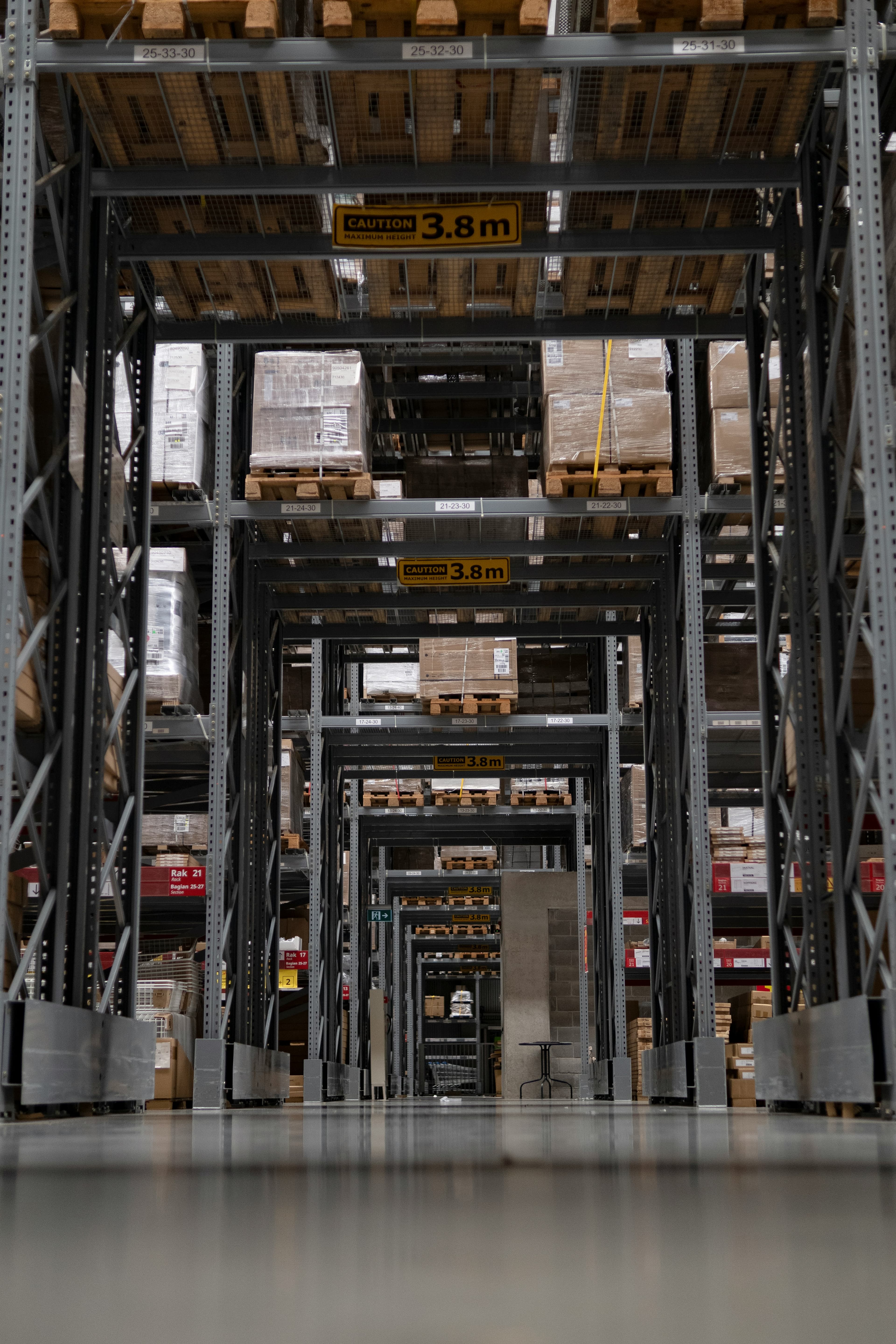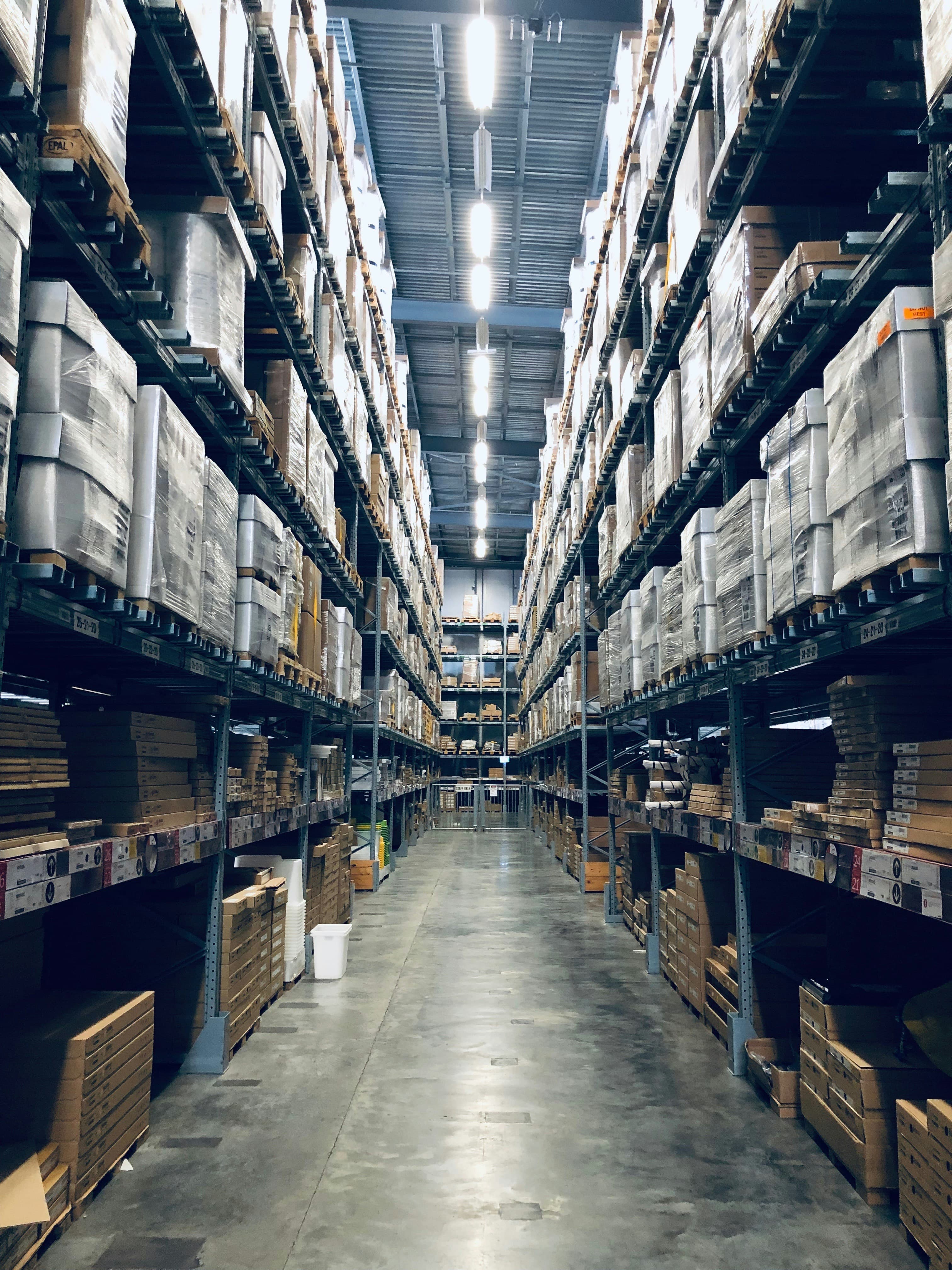
Quick Answer: The 3PL industry has four practical tiers: Tier 1 enterprise contract logistics (DHL Supply Chain, GXO, XPO — Fortune 500 clients, $10M+ contracts); Tier 2 upper mid-market (Saddle Creek, Barrett Distribution — established brands, dedicated operations); Tier 3 mid-market (most regional 3PLs — $1M-$50M revenue brands, mix of shared and dedicated); Tier 4 small fulfillment shops (Amazon FBA prep centers, basic e-commerce fulfillment). Picking the right tier depends on volume, complexity, and strategic needs. See contract logistics for what enterprise-tier B2B operations include.
The 3PL industry runs across a wide spectrum. At one end, global enterprise contract logistics providers like DHL Supply Chain and GXO operate hundreds of warehouses across continents and serve Fortune 500 clients with dedicated multi-billion dollar contracts. At the other end, small Amazon FBA prep shops operate from leased warehouse space and serve individual sellers with sub-$1K monthly revenue.
Most brands don't need either extreme. They need a 3PL somewhere in the middle that matches their volume, complexity, and growth trajectory. This guide explains the practical tiers, what each offers, and how to figure out where your business fits.
The Four 3PL Tiers
Different industry analysts slice the 3PL market differently. For practical purposes, four tiers cover most situations:
Tier 1: Global Enterprise Contract Logistics
Examples: DHL Supply Chain, GXO Logistics, XPO Logistics, Ryder Supply Chain Solutions, CEVA Logistics, Kuehne+Nagel, NFI Industries
Target customers: Fortune 500 brands, multi-national CPG companies, automotive, aerospace, large pharma
Operational characteristics:
- Multi-billion dollar revenue
- Hundreds of warehouses, often global footprint
- Multi-billion dollar individual contracts (DHL recently announced 7M sqft expansion just for data center logistics)
- Custom-engineered dedicated operations
- Multi-year contracts (5-7 years typical)
- Advanced automation including robotics (Boston Dynamics partnerships, autonomous forklifts)
- Custom WMS, integration with client ERP systems (SAP, Oracle)
- Named senior account executives at SVP/VP level
Pricing: Custom negotiated. Annual contracts in the $10M-$500M range per client. Not appropriate for businesses under $50M+ annual logistics spend.
Tier 2: Upper Mid-Market
Examples: Saddle Creek Logistics, Barrett Distribution Centers, Buske Logistics, Distribution Alternatives, Quiet Logistics, Port Logistics Group
Target customers: Established mid-to-large brands with predictable volumes, multi-channel operations, dedicated infrastructure needs
Operational characteristics:
- Hundreds of millions to a few billion in revenue
- 20-50 facilities, typically national US footprint
- Dedicated and shared operations available
- 3-5 year contracts typical for dedicated work
- Lean Six Sigma operational discipline
- Named branded sub-products (Saddle Creek's SC Activate, SC Brand+ patterns)
- Industry-specific expertise (food-grade, FDA-registered, hazmat)
- Account management at director level
Pricing: Custom for dedicated, published rates for shared services. Typical engagement $500K-$10M annually.
Tier 3: Mid-Market
Examples: Regional 3PLs across the US, ShipCalm, ShipMonk (at upper end), most California 3PLs you'd encounter, 3PLGuys
Target customers: Brands at $1M-$50M annual revenue, mix of e-commerce and B2B, growth-stage businesses
Operational characteristics:
- $10M-$200M in revenue
- 1-10 facilities, typically regional focus
- Both shared and dedicated operations
- Flexible contract terms (month-to-month to multi-year)
- EDI integration capability for B2B vendor work
- Multi-channel fulfillment (D2C + B2B + Amazon FBA)
- Account management at manager or director level
- Strong industry specialization in specific verticals
Pricing: Published rate cards for shared services, custom for dedicated. Typical engagement $50K-$2M annually.
Tier 4: Small Fulfillment
Examples: Independent Amazon FBA prep centers, small e-commerce fulfillment operations, single-location 3PLs
Target customers: Amazon sellers, early-stage e-commerce brands, brands with under $1M annual logistics spend
Operational characteristics:
- Under $10M in revenue
- Single facility, typically leased warehouse space
- Shared operations only
- Month-to-month or short contracts
- Limited or no EDI capability
- Specialized in narrow operations (FBA prep, basic e-commerce)
- Owner-operator or small team
- Limited technology infrastructure
Pricing: Published rates, typically simple per-unit pricing. Engagements often under $50K annually.
How to Identify What Tier a 3PL Operates At
Tier classification isn't always obvious from a 3PL's marketing. Some Tier 3 providers position as Tier 2; some Tier 2 providers actually deliver Tier 1-quality service. Real tier comes from operational characteristics, not branding.
Signals That Indicate Tier 1 Enterprise
- Lead with "contract logistics," "supply chain solutions," or "engineered supply chain"
- Talk about "where inventory should live" — strategic inventory positioning
- Reference automation, robotics, autonomous forklifts, AS/RS systems
- Custom client portal (MySupplyChain at DHL, etc.) for end-to-end visibility
- Named Fortune 500 or Top 100 clients (often anonymized as "Fortune 100 CPG brand")
- Multi-billion dollar annual revenue mentioned in corporate materials
- Discuss "Lean Six Sigma," "operational excellence," "continuous improvement"
- Long implementation timelines (6-12 months)
- Solutions engineers involved in sales process
Signals That Indicate Tier 2 Upper Mid-Market
- Lead with "scalable 3PL solutions," "omnichannel fulfillment," "warehousing & distribution"
- Specific facility footprint mentioned (30M+ sqft across 30+ locations)
- Named branded sub-services (Saddle Creek's SC Activate / SC Brand+)
- Lean Six Sigma certification mentioned
- Industry awards (Inbound Logistics Top 100, etc.)
- FDA, USDA, BRC, AIB certifications front and center
- "Short on space?" overflow callouts (recognizes overflow as buying motion)
- Featured case studies with industry context
- Named human contact (account exec) with photo
Signals That Indicate Tier 3 Mid-Market
- Lead with "B2B fulfillment," "ecommerce fulfillment," "Amazon FBA prep"
- Specific facility size mentioned (5,000-250,000 sqft typical)
- Pricing transparency (published per-unit rates, "starting at $X")
- Named industry verticals served (peptides, cosmetics, supplements, etc.)
- EDI capability mentioned but not extensively detailed
- Trustpilot / G2 / Clutch reviews visible
- Multi-tier customer testimonials (different brand sizes)
- Direct integration mentions (Shopify, Amazon, TikTok, Walmart Marketplace)
Signals That Indicate Tier 4 Small Fulfillment
- Lead with "FBA prep," "ecommerce fulfillment," "pick and pack"
- Single facility mentioned
- Very simple pricing ($X per unit)
- Limited or no B2B / retail vendor capability mentioned
- Customer testimonials focused on Amazon sellers
- Less polished website / branding
- Owner-operator origin story
Picking the Right Tier for Your Business
Run through these questions to figure out which tier fits:
Volume Threshold
- Under $1M annual logistics spend: Tier 3 or Tier 4
- $1M-$10M annual logistics spend: Tier 2 or Tier 3
- $10M-$50M annual logistics spend: Tier 2 or Tier 3 with dedicated operations
- $50M+ annual logistics spend: Tier 1 or Tier 2
Operational Complexity
- Simple e-commerce or FBA: Tier 3 or Tier 4 sufficient
- Multi-channel D2C + B2B with EDI: Tier 3 dedicated, Tier 2, or Tier 1
- Regulated industries (FDA, pharma, controlled): Tier 2 or Tier 1 typical
- Global operations across continents: Tier 1 typically required
Retail Compliance Needs
- No retail vendor relationships: Tier 3 or Tier 4
- Walmart, Target, Costco, Amazon Vendor Central vendor: Tier 3 minimum, often Tier 2
- Multiple retail vendors with chargeback management needs: Tier 3 mid-to-upper, Tier 2
Service Level Expectations
- Pooled support, ticket-based: Tier 3 or Tier 4 acceptable
- Named account manager, business reviews: Tier 3 upper, Tier 2
- SVP-level executive sponsorship, custom SLAs with penalties/gainshare: Tier 2 or Tier 1
Strategic Partnership Needs
- Flexible, short-term, transactional: Tier 3 or Tier 4
- Multi-year stable partnership with growth alignment: Tier 2 typical
- Deeply integrated strategic partnership with executive engagement: Tier 1
Why Most Brands Should Avoid Tier 1
Tier 1 enterprise contract logistics is the most prestigious 3PL tier but rarely the right choice. Reasons:
- Minimums are high. DHL Supply Chain, GXO, and XPO typically don't engage below $10M+ annual contracts. Smaller brands aren't viable customers.
- Lead times are long. Tier 1 implementations run 6-12 months. By the time you go live, your business has changed.
- Customization comes at cost. Highly engineered operations are expensive to build and maintain. You pay for capability you may not need.
- You're a small fish. Even at $10M annual spend, you're a tiny client to a Tier 1 provider. Service prioritization reflects this.
- Flexibility is limited. Multi-year contracts with rigid SLAs work for stable enterprises but constrain growing brands.
For most brands at $1M-$25M annual logistics spend, Tier 2 or Tier 3 provides better economics, faster implementation, and more attentive service than Tier 1.
Why Many Brands Outgrow Tier 4
Tier 4 small fulfillment works for early-stage brands but creates problems as you scale:
- Limited capacity. Single-facility operations can't grow with you. Eventually you hit physical limits.
- No B2B capability. When you land your first retail vendor relationship (Walmart, Target, Costco), Tier 4 typically can't support EDI integration and retail compliance.
- Service quality variance. Owner-operator businesses have limited redundancy. Personnel changes cause disruptions.
- Technology gaps. Limited WMS capabilities, manual processes, poor integration with sales channels.
- No dedicated account management. As your business grows, you need more strategic attention than Tier 4 can provide.
The path for growing brands typically runs Tier 4 → Tier 3 → (possibly) Tier 2 as volume and complexity grow.
Where 3PLGuys Fits
We're Tier 3 — mid-market 3PL with capabilities approaching Tier 2 for dedicated B2B operations. We serve brands at $1M-$50M annual revenue with operations spanning e-commerce, Amazon FBA, and B2B retail vendor fulfillment. Our contract logistics service provides dedicated operations with Tier 2 capabilities (custom SLAs, dedicated zones, named account management) while maintaining Tier 3 flexibility and pricing transparency.
What we do well: B2B retail vendor compliance (Walmart, Target, Costco, Amazon Vendor Central), peptide/regulated product handling (FDA-registered facility), high-volume Amazon FBA prep, multi-channel fulfillment (D2C + B2B + Amazon), West Coast distribution from Los Angeles.
What we don't try to do: Fortune 500 contract logistics, single-million-pallet operations, global cross-border supply chain orchestration. Those are Tier 1 capabilities that we don't pretend to offer.
The Hybrid Reality
In practice, many brands work with multiple 3PLs across their operations. Common patterns:
- Tier 3 for primary fulfillment + Tier 4 for specialized prep work (e.g., Tier 3 main 3PL plus specialized FBA prep shop for Amazon-only inventory)
- Tier 2 for retail vendor B2B + Tier 3 for D2C e-commerce (different operational requirements served by different providers)
- Regional Tier 3 in multiple geographies (West Coast 3PL plus East Coast 3PL for bi-coastal distribution)
- Tier 2 dedicated + Tier 3 shared overflow (predictable baseline at upper-tier dedicated, peak overflow at flexible mid-tier)
Multi-3PL operations add coordination overhead but can optimize cost and capability across the full operation. Most brands at $10M+ annual revenue end up with at least two 3PL partners.
Frequently Asked Questions
What's the difference between Tier 1 and Tier 2 specifically?
The line is fuzzy. Generally: Tier 1 operates at multi-billion dollar revenue with global footprint and Fortune 500 anchor clients. Tier 2 operates at hundreds of millions in revenue with national US footprint and established brand clients. Tier 2 may serve some Fortune 500 brands but typically as a secondary supplier rather than primary contract logistics provider.
Can a Tier 3 3PL serve a Fortune 500 client?
Sometimes, in specialized capacities. A Fortune 500 brand might use a Tier 3 3PL for a specific regional operation, a niche product line, or a test program. They wouldn't typically engage Tier 3 for their primary global supply chain.
How do I know if I'm outgrowing my current 3PL tier?
Signs include: capacity constraints (provider can't grow with you), service quality declines (account management attention drops), chargebacks rising (provider can't meet sophistication of new requirements), technology gaps (can't integrate with new systems you need), and strategic misalignment (provider isn't a partner for your growth direction).
Is it cheaper to use a lower-tier 3PL?
Usually yes, at small scale. Lower-tier providers have lower overhead and pass that to clients. But as volume grows, the cost equation shifts — higher-tier providers' fixed costs amortize over larger operations and the unit economics can be similar or better. Plus higher-tier providers offer capabilities (EDI, retail compliance, dedicated infrastructure) that lower tiers can't.
Can I move up tiers without changing providers?
Sometimes. Some 3PLs span multiple tiers and can grow with clients from shared/transactional to dedicated/contract logistics. Others are tier-specific and you'll need to switch providers as you grow. Worth asking your current provider about their dedicated/contract logistics capabilities if you're growing.
What's "white glove" 3PL service?
"White glove" is marketing language for premium service levels — dedicated account management, faster response times, higher service standards. It's typically associated with Tier 2 and Tier 1 providers but used loosely. Real white glove service comes from dedicated infrastructure and people, not from marketing claims.
Should I work with multiple 3PLs?
Many brands do. Common reasons: different operational needs (B2B vs D2C), geographic diversification (East Coast and West Coast), risk reduction (no single-vendor concentration), and specialization (vertical-specific expertise). The overhead of managing multiple 3PLs is real but often justified for businesses past $10M revenue.