How to choose a 3PL is one of the most consequential decisions you'll make for your e-commerce business. The right partner accelerates growth and frees you to focus on your brand. The wrong one creates constant headaches, damages customer relationships, and locks you into a contract you regret.
Comparing 3PLs? Let's Talk
We'll walk you through our process and tell you if we're a good fit for your brand.
Schedule a Call →At 3PLGuys, we've onboarded hundreds of brands — many switching from 3PLs that weren't the right fit. We know what makes a fulfillment partnership work (and what breaks it). This guide walks you through the complete 3PL evaluation process — from recognizing when you're ready for outsourced fulfillment to negotiating a contract that protects your interests.
When You're Ready for a 3PL
Not every business needs a 3PL. But most reach a tipping point where continuing to fulfill in-house costs more than outsourcing — not just in money, but in time and opportunity.
You're probably ready for a 3PL when:
- Order volume is consistent — You're shipping 50+ orders per day, most days
- Growth is outpacing capacity — Your garage, spare room, or small warehouse is maxed out
- Fulfillment is taking over — You're spending 20+ hours per week on packing and shipping
- Quality is slipping — Late shipments, wrong items, and customer complaints are increasing
- You're leaving money on the table — Time spent on fulfillment isn't spent on growth
If you're doing 10 orders a day inconsistently, a 3PL probably doesn't make sense yet. If you're drowning in 200 orders a day and making mistakes, you're already behind.
Define Your Requirements First
Before you start evaluating 3PLs, get clarity on what you actually need. Every brand is different, and a 3PL that's perfect for apparel might be terrible for supplements or cosmetics.
Document Your Operations
- Order volume — Daily/monthly averages and peak periods
- SKU count — How many products you carry
- Product characteristics — Size, weight, fragility, temperature sensitivity
- Inventory turnover — How fast products move
- Sales channels — Amazon, Shopify, wholesale, marketplaces
- Special requirements — Kitting, bundling, custom packaging, lot tracking
Define Your Service Expectations
- Processing time — Same-day shipping cutoff requirements
- Accuracy standards — What error rate is acceptable?
- Shipping destinations — Domestic only? International?
- Returns volume — What percentage of orders come back?
Set Your Budget
Know what you can afford before you start getting quotes. 3PL pricing is complex — receiving fees, storage fees, pick-and-pack fees, shipping costs. Get quotes that break down every line item so you can compare apples to apples.
Key Evaluation Criteria
When choosing a fulfillment partner, evaluate across four primary dimensions: capability, cost, risk, and strategic alignment.
Operational Capability
Does the 3PL have the infrastructure and expertise to handle your products?
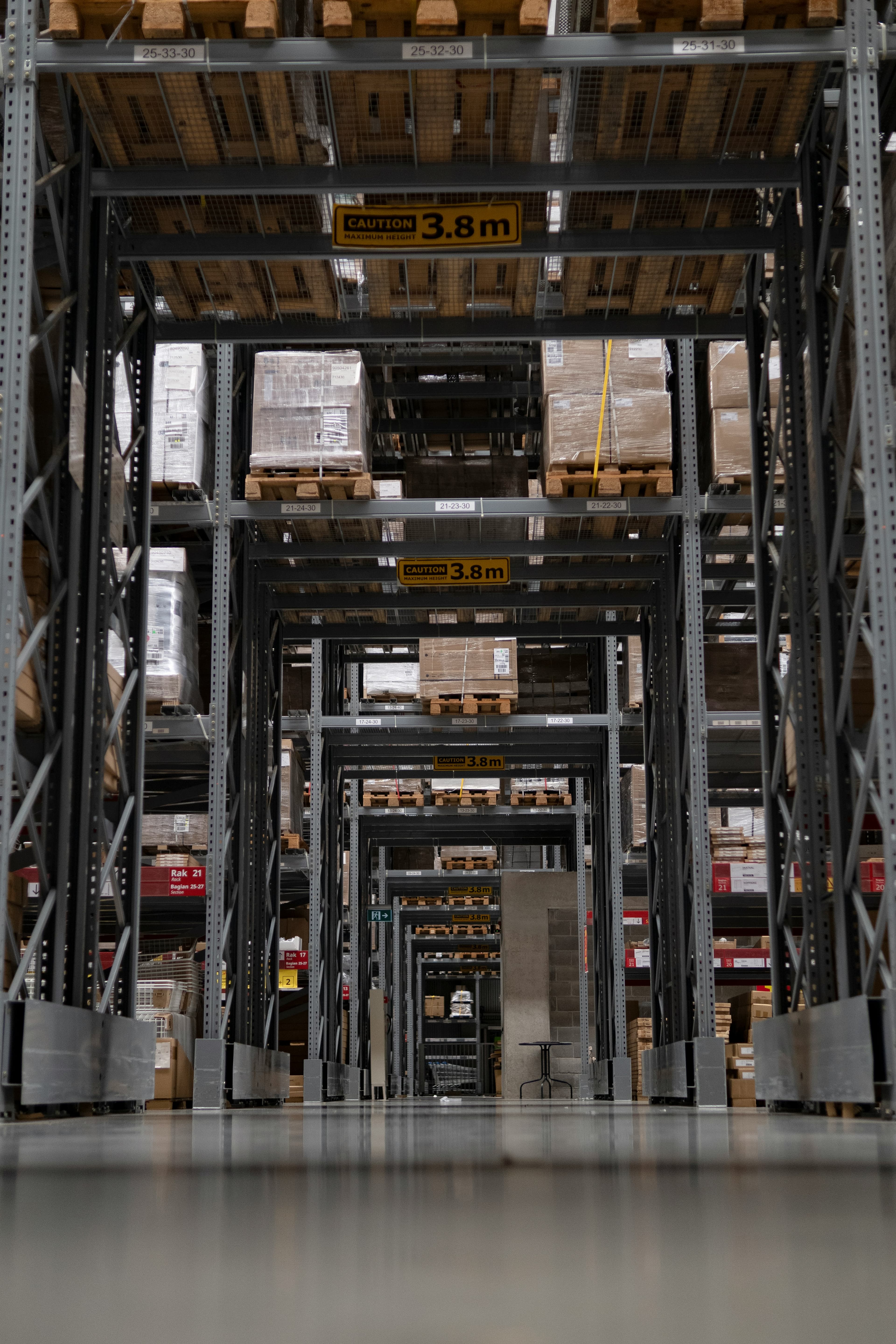
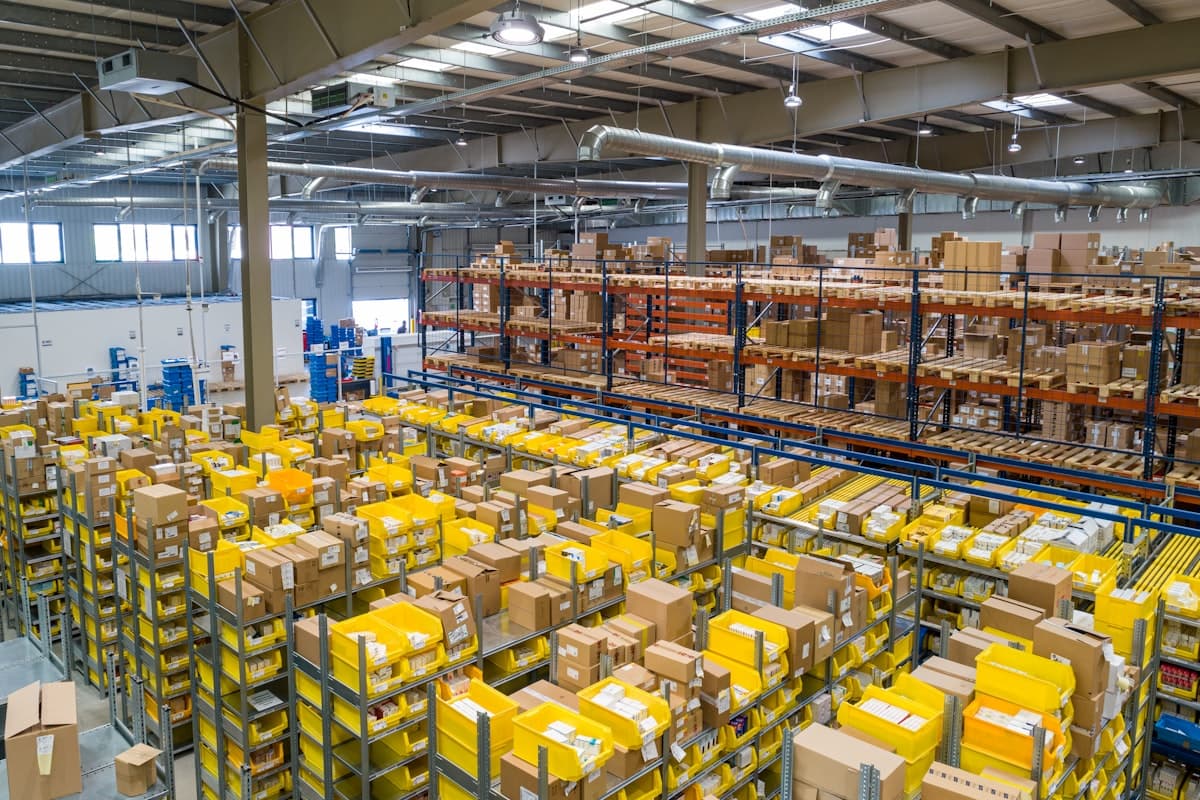
- Facility quality — Modern warehouse with proper racking, climate control, and fire suppression
- Equipment — Material handling equipment, conveyor systems, automation
- Workforce — Trained staff, low turnover, seasonal capacity
- Product experience — Have they handled products like yours before?
- Certifications — FDA registration, cGMP, organic handling, or other industry-specific requirements
Technology and Systems
A 3PL without solid technology will create problems as you scale.
Warehouse Management System (WMS)
- Real-time inventory visibility
- Lot and expiration date tracking
- FEFO/FIFO enforcement
- Barcode scanning for accuracy
- Multi-location inventory support
Integrations Your 3PL should integrate directly with your sales channels. Ask specifically about:
- E-commerce platforms (Shopify, WooCommerce, BigCommerce)
- Marketplaces (Amazon, Walmart, TikTok Shop, eBay)
- ERP systems (NetSuite, SAP, QuickBooks)
- Returns platforms (Loop, Returnly)
A 3PL that requires manual order uploads or CSV files will slow you down and introduce errors.
Reporting and Analytics
- Real-time dashboards
- Order status tracking
- Inventory level alerts
- Performance metrics (accuracy, ship time, errors)
Cost Structure
The lowest price often hides the highest total cost. Look beyond the headline rate.
Standard fees
- Receiving (per unit, per pallet, per shipment)
- Storage (per pallet, per bin, per cubic foot/month)
- Pick and pack (per order + per item)
- Packaging materials
- Shipping (carrier cost + handling)
Hidden fees to ask about
- Minimum monthly charges
- Account management fees
- Special handling charges
- Inventory adjustment fees
- Peak season surcharges
- Long-term storage fees
- Setup and onboarding fees
Get a total cost model. Provide your actual order data — volume, product mix, destinations — and ask for a detailed quote showing what your monthly bill would be.
Customer Service
When problems happen, responsiveness matters. Evaluate:
- Account management — Dedicated rep or call center?
- Response time — What's the SLA for responding to issues?
- Communication channels — Email, phone, chat, portal?
- Escalation process — How are urgent issues handled?
- Availability — Support hours and time zone coverage
At 3PLGuys, every account gets a dedicated account manager you can reach via Slack, email, or phone — not a rotating support team that doesn't know your business.
Location Considerations
Where your 3PL is located affects both cost and delivery speed.
Proximity to Customers
Shipping from a single location works fine if your customers are concentrated in one region. But if you sell nationwide:
- West Coast to East Coast ground shipping takes 5-7 days
- Regional distribution cuts transit time to 2-3 days
- Faster delivery = happier customers and fewer "where is my order" emails
A California-based 3PL makes sense if most customers are on the West Coast. If you're selling nationally, consider a 3PL with multiple locations or one centrally located (Texas, Indiana, Kentucky).
Proximity to Suppliers
If your products ship from overseas, proximity to ports matters:
- Los Angeles/Long Beach — Primary gateway for Asian imports
- Savannah, New Jersey — East Coast port options
- Inland locations — Require additional drayage from ports
3PLGuys is located in Paramount, CA — just 15 minutes from the Port of Long Beach. For brands importing from Asia, this eliminates drayage costs and speeds inventory turnaround.
Zone Shipping Impact
Carriers price by zone — distance from origin to destination. A 3PL's location determines your average zone for shipping. Run the numbers: a slightly more expensive 3PL in a better location might save money overall on shipping.
Scalability and Flexibility
Your business will change. Your 3PL needs to keep up.
Growth Capacity
- Physical space — Can they accommodate 2x, 5x, 10x your current volume?
- Staffing — How do they scale labor during growth or peak periods?
- Systems — Will their WMS perform at scale?
Peak Season Handling
Ask specifically about Black Friday, Prime Day, and holiday season:
- What's the capacity increase during Q4?
- How do they add seasonal staff?
- What are guaranteed processing times during peak?
- Have they ever missed SLAs during peak? What happened?
Flexibility
- New channels — Can they support a new marketplace launch?
- International expansion — Do they have global fulfillment capabilities?
- Specialty services — Kitting, subscription boxes, custom packaging?
- Contract terms — Can you scale up/down without penalties?
References and Reputation
Anyone can promise great service. References reveal the truth.
Request References
Ask for 3-5 current clients, specifically:
- Brands similar in size to yours
- Brands in your product category
- Brands that have been with them for 2+ years
Then actually call them. Ask about:
- Order accuracy rates
- Processing times
- Communication responsiveness
- Problem resolution
- Hidden fees or surprises
- What they wish they'd known before signing
Check Online Reputation
- Google reviews
- Trustpilot
- Industry forums
- LinkedIn connections who might have experience with them
Industry Standing
- How long have they been in business?
- Are they a member of industry associations?
- Have they won awards or recognition?
- What do competitors say about them?
Site Visits and Audits
Never sign with a 3PL you haven't visited. What you see in person matters.
What to Look For
Facility condition
- Clean, organized, well-lit
- Proper racking and storage
- Clear aisles and safety markings
- Climate control (if relevant for your products)
- Security systems and access control
Operations
- How do they receive product?
- Watch the pick-pack-ship process
- Observe workers — trained, efficient, careful?
- Check accuracy procedures — how do they catch errors?
Your inventory (if doing a test run)
- Is it stored properly?
- Can they find it quickly?
- How is it labeled and organized?
Questions to Ask During the Visit
- Walk me through a typical order from receipt to ship
- What happens when you find damaged inventory?
- Show me your returns processing area
- How do you handle same-day shipping cutoffs?
- What's your busiest time of year? Can I visit during peak?
Red Flags During Tours
- Won't let you visit or restricts access
- Disorganized, cluttered warehouse
- Inventory stored on the floor or improperly
- Workers who seem untrained or unhappy
- Equipment that looks outdated or poorly maintained
- Evasive answers to direct questions
Contract Negotiation Tips
The contract defines your relationship. Get it right before you sign.
Key Terms to Negotiate
Term length
- Push for month-to-month initially
- Multi-year contracts should come with rate discounts
- Never sign a long-term contract with an unproven 3PL
Termination rights
- 30-60 day notice is reasonable
- Watch for auto-renewal clauses
- Negotiate reduced early termination fees
- Ensure clear exit provisions for your inventory
Pricing protections
- Rate locks preventing mid-contract increases
- Caps on annual increases (3-5% max)
- Transparent fee schedules
Service level agreements (SLAs)
- Order accuracy: 99%+ minimum
- Same-day processing for orders placed by cutoff
- Receiving turnaround time
- Issue response time
SLA penalties
- What happens when SLAs are missed?
- Credits, refunds, or nothing?
- SLAs without penalties are just marketing
What 3PLGuys Offers
>99% order accuracy. Same-day processing for orders before 2 PM PT. Flexible terms, no long-term contracts. Dedicated account managers on Slack, email, and phone. We believe in earning your business every month — not locking you in.
Get a Quote →Liability and insurance
- What's the 3PL's liability for lost or damaged inventory?
- What insurance coverage do they carry?
- Are there liability caps? At what level?
Before You Sign
- Get everything in writing — verbal promises mean nothing
- Have a lawyer review — especially for contracts over $50K/year
- Run a pilot test — send a test shipment before full commitment
- Understand the exit — know exactly how you'd get your inventory back
- Compare at least 3 options — don't sign with the first 3PL you talk to
Red Flags to Avoid
Some warning signs should make you walk away.
During Evaluation
- Won't provide references — what are they hiding?
- Significantly below market pricing — low price often means low service
- Vague answers — can't explain their process clearly
- No technology demo — haven't invested in systems
- High pressure sales tactics — good 3PLs don't need to pressure you
- Won't let you tour — a well-run facility is something to show off
In the Contract
- No SLAs or weak SLAs — if they won't commit, they won't deliver
- Excessive minimums — especially problematic for growing brands
- Long lock-in periods — multi-year contracts with heavy exit penalties
- Vague fee language — "subject to change" or undefined accessorials
- Liability waivers — eliminating responsibility for their negligence
- Exclusive arrangements — preventing you from using other 3PLs
After You Sign
If you're already with a 3PL and experiencing these issues, it might be time to evaluate alternatives:
- Consistent SLA misses with no accountability
- Inventory discrepancies that aren't resolved
- Communication breakdowns
- Surprise fees
- Quality issues affecting your customer reviews
FAQ
How long does it take to find and onboard a 3PL?
Plan for 2-3 months. The evaluation process typically takes 4-6 weeks, and onboarding (sending inventory, testing integrations, working out processes) takes another 4-6 weeks. Don't rush this decision.
Should I choose the cheapest 3PL?
Rarely. The cheapest 3PL often has hidden fees, poor service, or inadequate technology. Total cost of ownership — including errors, delays, and customer impact — matters more than the headline rate.
How many 3PLs should I evaluate?
Start with 5-7 candidates based on research, then narrow to 3-4 for detailed quotes and conversations, and 2-3 for site visits. Don't evaluate only one option.
What's a reasonable order accuracy rate?
Industry leading is 99.5%+. Anything below 99% should be a dealbreaker. At 100 orders/day, a 99% accuracy rate means 30 errors per month. At 98%, that's 60 errors.
Should I visit the warehouse in person?
Yes, always. Virtual tours are not a substitute. What you learn walking the floor — about cleanliness, organization, worker training, and operational flow — is invaluable.
What's a reasonable contract length for a new 3PL relationship?
Start with month-to-month or a 6-month trial. You won't know if the 3PL is right until you've been through a peak season together. Long-term contracts (2-3 years) can make sense once trust is established, especially if they come with rate discounts.
How do I switch 3PLs without disrupting my business?
Overlap is key. Work with your new 3PL to establish operations while still running with your old one. Gradually shift inventory and order flow. Plan for 4-6 weeks of parallel operation.
The Bottom Line
How to choose a 3PL comes down to due diligence. Don't shortcut the evaluation process for speed. A bad 3PL costs far more than the time you'd spend finding a good one.
The best 3PL relationships are partnerships. You want a company that sees your success as their success — not just a warehouse renting you space.
At 3PLGuys, we believe in transparency, clear communication, and flexible terms that work for growing brands:
- Near-perfect order accuracy — we measure it, we publish it
- Same-day processing — orders before 2 PM PT ship same day
- Flexible terms, no long-term contracts — earn your business every month
- Dedicated account managers — reach us on Slack, email, or phone
- 15 minutes from Port of Long Beach — ideal for imports from Asia
- FDA-registered, cGMP-compliant — for supplements, cosmetics, and regulated products
Get a personalized quote and see if 3PLGuys is the right fit for your brand.