The post-holiday returns surge is no longer a brief inconvenience — it has become a second peak season that can make or break your Q1 margins. With return rates climbing 41% between November and December 2025, and total refund dollars spiking 336% in the first three weeks of January compared to the prior year, e-commerce businesses need a battle-tested strategy for managing the January returns flood.
This guide breaks down exactly what to expect during returns season, how to prepare your operation, and the strategies that separate brands that thrive from those that drown in reverse logistics chaos.
At 3PLGuys, we treat returns as part of core operations, not an afterthought. Our dedicated returns processing area, trained inspection staff, and fast refund triggers help brands protect their margins and customer relationships during the January surge. With near-perfect accuracy, same-day processing for orders before 2 PM PT, and dedicated account managers available via Slack, email, or phone, we keep your reverse logistics running smoothly when volume spikes.
The January Returns Reality: What the Numbers Tell Us
The scale of post-holiday returns has grown dramatically. Industry data shows that 20-25% of all holiday merchandise ends up being returned — meaning one in four items purchased during the shopping season comes back to the seller.
Here's what drives the volume:
- Gift returns account for the largest share, as recipients exchange unwanted items
- Bracketing behavior (buying multiple sizes to try at home) has become normalized
- Impulse purchases made during Black Friday and Cyber Monday sales get reconsidered
- Defective or damaged products discovered upon opening
The timing follows a predictable pattern. Returns begin trickling in on December 26, but the real surge hits during the first full week of January. UPS has designated the Monday after New Year's — January 5 in 2026 — as "National Returns Day," when their network alone processes nearly 2 million return packages in a single day.
For online sellers, this means return volumes jump 40% above normal during that first January week. And unlike the holiday outbound rush, which you can plan for months in advance, returns arrive unpredictably — making capacity planning genuinely difficult.
Why Post-Holiday Returns Hit Harder Than Regular Returns
Processing a January return costs more than a typical return for several interconnected reasons.
Volume Overwhelms Systems
When return volumes spike 40-50% above baseline, bottlenecks form at every stage: receiving docks get backed up, inspection queues grow longer, and restocking falls behind. The math is brutal — if your operation processes 100 returns per day normally, a 40% spike means 140 returns arriving daily while your capacity remains fixed at 100.
Seasonal Staff Has Already Left
Most e-commerce operations scale down after the holiday shipping rush ends on December 23rd. By the time returns peak in early January, seasonal workers have moved on. You're handling 40% more volume with 20-30% fewer hands.
Customer Expectations Remain High
Shoppers expect fast refunds regardless of your processing backlog. The longer returns sit unprocessed, the more customer service tickets pile up asking "where's my refund?" A 48-hour processing standard that worked in October feels impossible when you're drowning in January volume.
Cash Flow Takes a Double Hit
Returns tie up capital in multiple ways: refunds drain cash reserves, returned inventory sits in limbo unable to generate revenue, and labor costs spike to handle the volume. All of this happens in January — historically the slowest revenue month for most e-commerce categories.
Preparing Your Operation for Returns Season
Successful returns management starts well before the first package arrives. Here's how to build a returns operation that scales.
Allocate Dedicated Space
Returns processing cannot share space with outbound fulfillment during peak season. Incoming returns create congestion that slows picking and packing operations if everything shares the same staging areas.
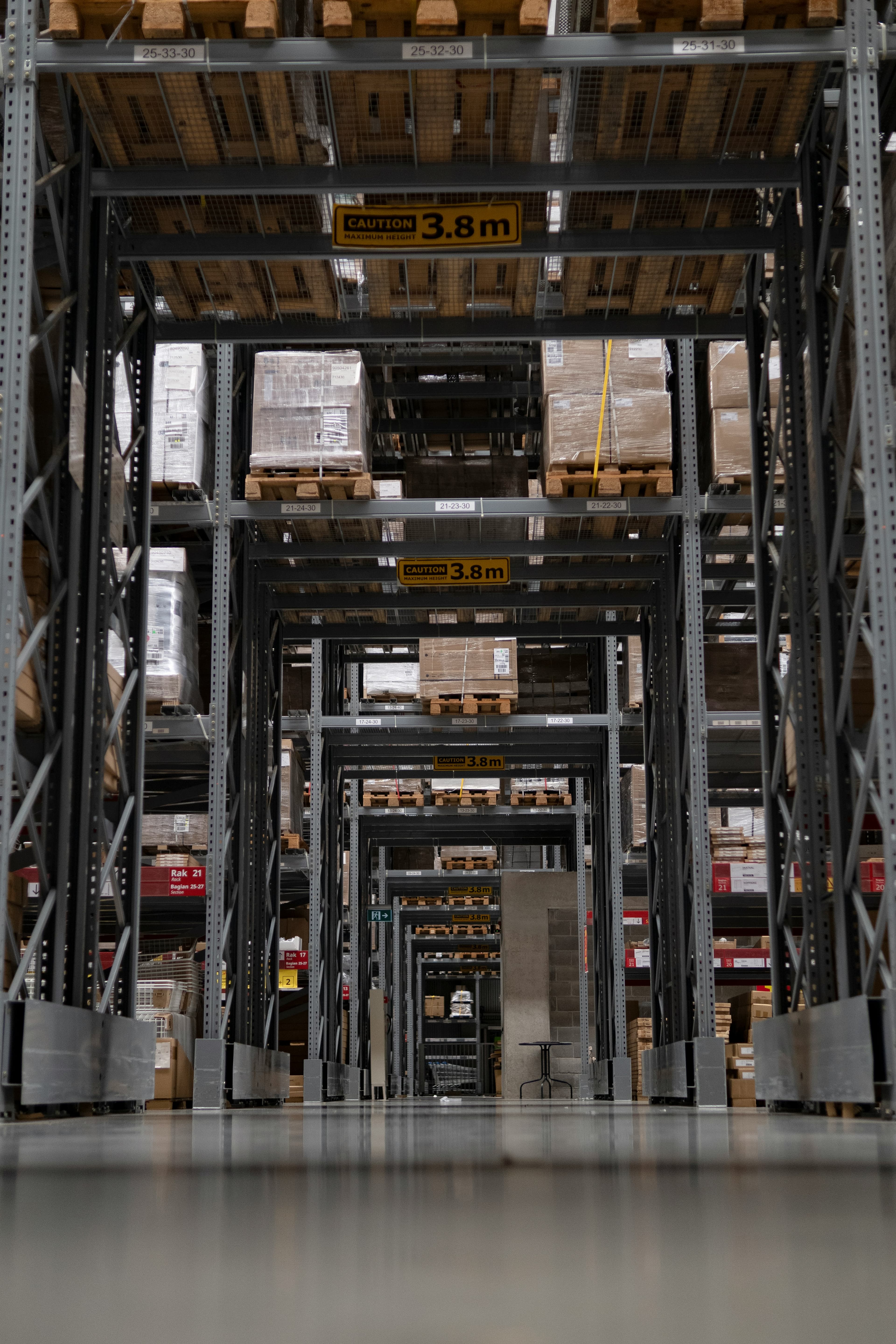
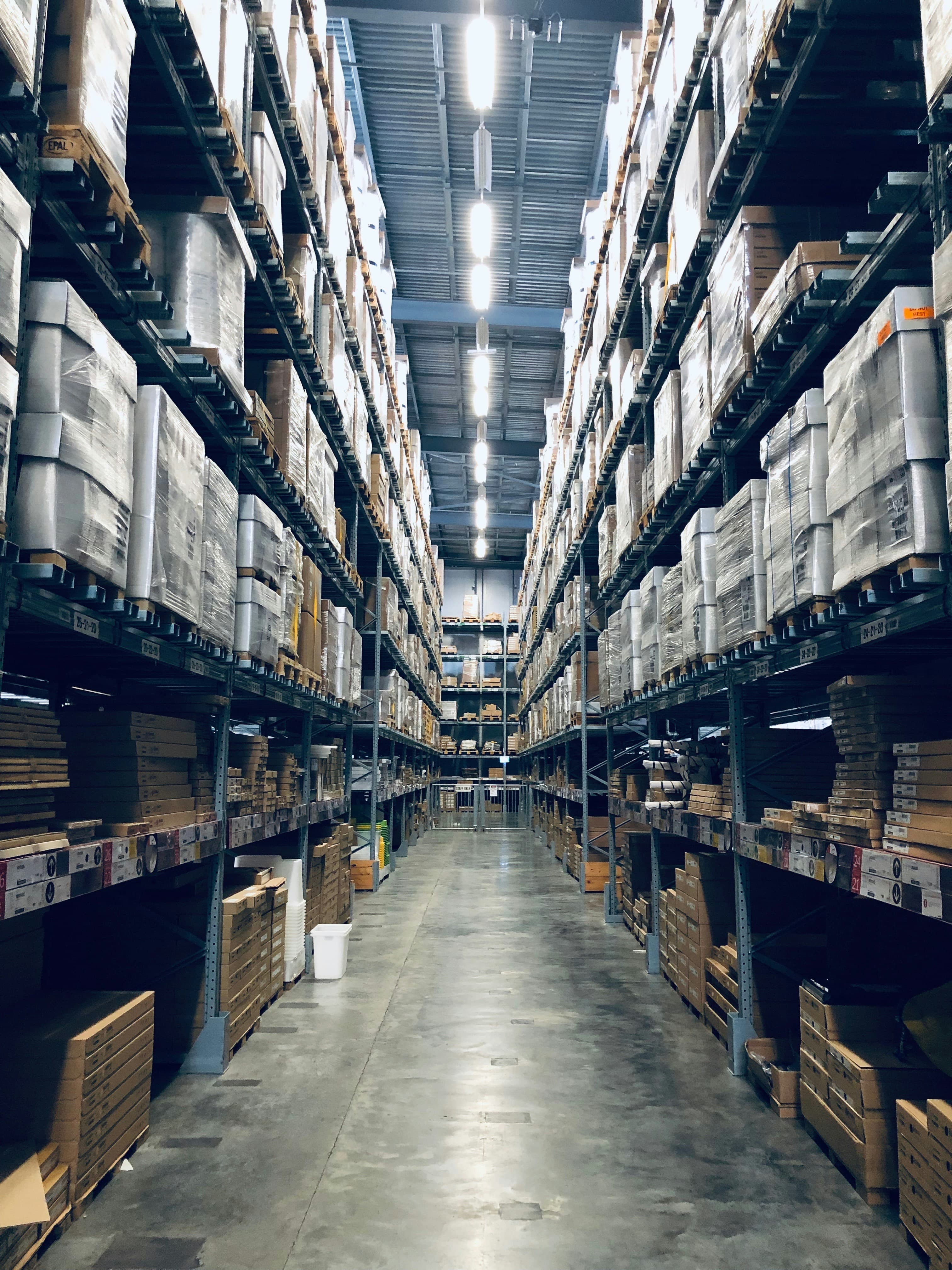
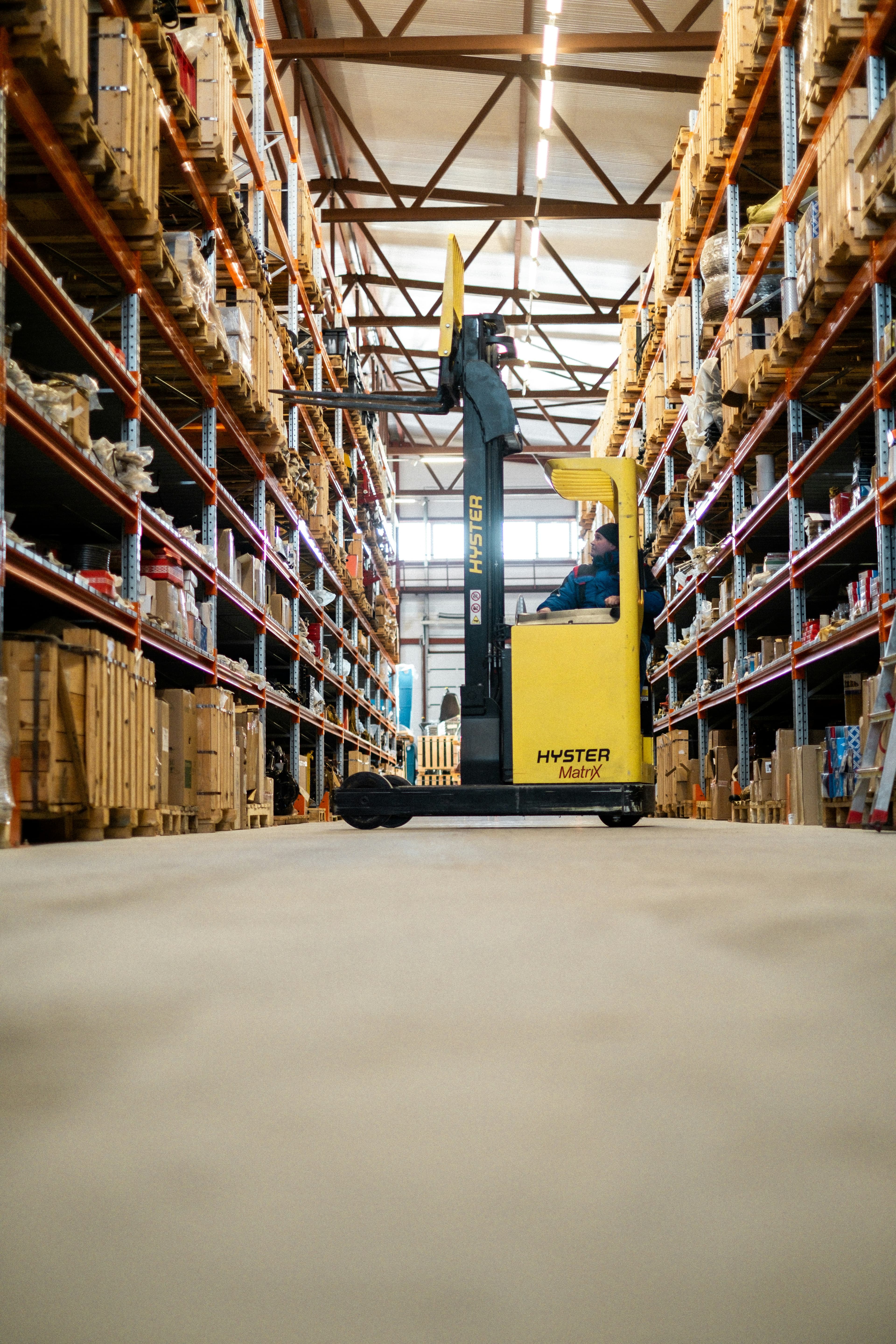
Best practice: Designate a dedicated returns zone with its own receiving area, inspection stations, and disposition routing lanes. Companies with significant reverse logistics operations need 15-20% more warehouse space than outbound-only shippers, according to CBRE research.
Staff Up Before the Surge
The mistake most operations make is waiting until returns volume spikes before adding headcount. By then, you're training new workers during your busiest period.
A better approach:
- December 15-20: Hire temporary returns staff
- December 21-31: Train on systems, inspection protocols, and disposition criteria
- January 2 onward: Hit the ground running with trained capacity
New warehouse employees operate at 40-60% productivity during their first week. Hiring in late December means your peak days are staffed with workers who've already climbed the learning curve.
Stage Equipment and Supplies
Returns processing has different equipment needs than outbound fulfillment. Before peak hits:
- Extra barcode scanners for receiving
- Return-label printers if you're generating prepaid labels in-house
- Secure bins for items awaiting inspection
- Staging areas for each disposition category (restock, refurbish, liquidate, dispose)
- Photography equipment for documenting damaged returns
Running out of scanner batteries or staging bins during peak volume creates avoidable delays.
Update Your Inspection Criteria
Returns fraud costs retailers over $100 billion annually. The holiday season brings a spike in fraudulent returns — items worn and returned as "didn't fit," counterfeits swapped for authentic products, or completely wrong items shipped back.
Document clear inspection criteria before peak season:
- What condition qualifies for restocking as new?
- What requires open-box discounting?
- What triggers a fraud flag for review?
- What goes directly to liquidation or disposal?
Ambiguity slows processing. Clear criteria let inspectors make fast, consistent decisions.
Managing the Active Returns Surge
Once returns start flowing, operational discipline determines whether you stay ahead or fall behind.
Process Same-Day When Possible
Returns that sit create problems. The longer an item stays in receiving limbo:
- The customer waits longer for their refund
- Inventory counts stay inaccurate
- Resale value may decline (especially for seasonal or trending items)
- Storage space gets consumed
Set a 24-48 hour processing target from receiving to disposition. This aggressive timeline keeps inventory moving and customers satisfied.
Batch Similar Items
Rather than processing returns one-by-one as they arrive, batch similar items together. All apparel returns get inspected together, all electronics together, all home goods together.
Batching reduces context-switching and speeds inspection. An inspector who processes 20 similar items develops a rhythm that's impossible when constantly switching between product categories.
Prioritize High-Value Items
A $200 jacket sitting in returns limbo costs more than a $15 accessory. Prioritize processing by item value to minimize capital tied up in unprocessed returns.
Some operations use a tiered system:
- Tier 1 (items over $100): Process within 24 hours
- Tier 2 (items $30-100): Process within 48 hours
- Tier 3 (items under $30): Process within 72 hours
Track Metrics Obsessively
You can't improve what you don't measure. During returns season, track:
- Returns received per day — volume trend
- Processing time — receiving to disposition
- Restock rate — percentage of returns that go back into sellable inventory
- Refund turnaround — time from return receipt to customer refund
- Cost per return — total processing cost divided by units
If processing time starts creeping up, you need more capacity before you're buried.
Working With a 3PL During Returns Season
For many e-commerce brands, partnering with a 3PL for returns management is the difference between surviving January and dreading it.
Why 3PLs Handle Returns Surges Better
Shared capacity: A 3PL spreads returns volume across multiple clients. When your returns spike, their overall volume is more balanced because different brands peak at different times.
Dedicated infrastructure: Top 3PLs maintain dedicated returns processing zones with trained staff, inspection equipment, and efficient workflows. Building this in-house requires capital most growing brands can't justify for a six-week peak.
Technology integration: Modern 3PLs connect their warehouse management systems directly to your e-commerce platform. Returns update inventory automatically, refund triggers fire without manual intervention, and you get visibility without building custom integrations.
Labor flexibility: 3PLs maintain relationships with staffing agencies and temp workers who return year after year. They can scale labor for peak without the training lag you'd face doing it yourself.
What to Look for in a 3PL Returns Partner
Not all 3PLs handle returns equally well. When evaluating partners, ask:
- Do you have a dedicated returns processing area, or does it share space with outbound?
- What's your typical processing time from receipt to disposition?
- How do you handle inspection — what criteria do you use?
- Can you support multiple disposition channels (restock, refurbish, liquidate, donate)?
- What visibility will I have into returns status?
- How do refund triggers work with my platform?
A 3PL that treats returns as an afterthought will create more problems than it solves. At 3PLGuys, we maintain dedicated returns processing zones and support multiple disposition channels — restock, refurbish, liquidate, or donate — based on your preferences. Our facility in Paramount, CA (15 minutes from Port of Long Beach) processes returns with >99% accuracy, lot tracking for proper inventory reintegration, and same-day refund triggers when criteria are met.
Returns Processing That Protects Your Margins
3PLGuys handles returns with dedicated processing zones, trained inspection staff, and fast refund triggers. 99%+ accuracy, lot tracking, and dedicated account managers via Slack, email, or phone. Flexible terms, no long-term contracts.
Get a Quote →Protecting Margins During Returns Season
Returns inherently cost money. But smart operations minimize the margin impact.
Restock Fast to Capture Resale Value
Seasonal items lose value every day they sit unprocessed. A holiday sweater restocked on January 5 might sell at 80% of original price. The same sweater restocked on January 25 might need 50% clearance pricing.
Speed of restocking directly impacts recovered revenue.
Build Liquidation Channels Before You Need Them
Items that can't be restocked as new still have value — but only if you have buyers lined up. Establish relationships with:
- Secondary market platforms (ThredUp, Poshmark for apparel)
- Bulk liquidators
- Discount retailers
- Donation partners (for tax benefits)
Scrambling to find liquidation channels during peak season means accepting worse terms.
Analyze Return Reasons to Reduce Future Returns
Every return contains information. Track why items come back:
- Sizing issues suggest product page improvements needed
- Damage complaints point to packaging problems
- "Not as described" indicates listing accuracy gaps
- Defects reveal quality control failures
A 10% reduction in future return rate from better listings or packaging pays for itself many times over.
Consider Returnless Refunds for Low-Value Items
When the cost to process a return exceeds the item's value, returnless refunds make financial sense. If it costs $25 to process a return and the item sells for $15, why bring it back?
Set thresholds based on your actual processing costs. Many brands use $20-30 as the cutoff — below that value, customers keep the item and still receive their refund.
The Bottom Line
Post-holiday returns have evolved from a minor annoyance into a legitimate second peak season. The brands that thrive are those that prepare before the surge, execute with discipline during peak, and analyze results to improve for next year.
The key principles:
- Plan capacity before December — space, staff, equipment
- Process aggressively — 24-48 hour turnaround targets
- Prioritize by value — high-ticket items first
- Track everything — metrics drive improvement
- Build liquidation channels — before you need them desperately
- Consider a 3PL partner — if your volume exceeds in-house capacity
January returns will never be enjoyable. But with the right preparation and execution, they don't have to destroy your margins or your sanity.
Need help managing post-holiday returns? Contact 3PLGuys to discuss your returns strategy. Our team in Paramount, CA handles returns with dedicated processing zones, sub-1% error rate, and same-day processing. Flexible terms, no long-term contracts — just the reverse logistics support you need when volume spikes.
Frequently Asked Questions
When is the peak of post-holiday returns?
The first full week of January sees the highest return volumes, with the Monday after New Year's Day being the single busiest day. In 2026, that falls on January 5. Return volumes typically remain elevated through mid-January before gradually returning to baseline levels by early February.
What percentage of holiday purchases get returned?
Industry data shows 20-25% of holiday merchandise is ultimately returned, significantly higher than the 8-10% baseline return rate for non-holiday periods. Online purchases see even higher return rates, with some categories like apparel reaching 30% or more.
How much does it cost to process a return?
The average cost to process a single return ranges from $25-35 when factoring in receiving, inspection, disposition, labor, and any shipping costs. This represents 20-65% of the original item cost depending on the product category and your operational efficiency.
Should I charge for return shipping during the holiday season?
This is a strategic decision balancing customer experience against margin protection. Many retailers now charge $3-10 for return shipping if customers mail items back, while offering free returns at physical drop-off locations. The key is clear communication — surprise fees create more customer service issues than the revenue justifies.
How can I reduce my return rate?
Focus on the root causes: detailed product descriptions and accurate sizing guides reduce fit-related returns; quality packaging reduces damage; honest product photography reduces "not as described" complaints. Analyzing your return reason data reveals which improvements will have the biggest impact for your specific product mix.
When should I consider outsourcing returns to a 3PL?
If you're processing more than 50 returns per week during normal periods, or if holiday returns volume exceeds your physical capacity, a 3PL partnership likely makes financial sense. The break-even point depends on your labor costs, facility expenses, and how much management time returns currently consume.