Quick Answer: The best B2B 3PL providers in California for retail vendor fulfillment combine port proximity (Port of Long Beach / Port of LA access), full EDI integration (850/856/810/940/945), retail compliance experience with Walmart/Target/Costco/Amazon Vendor Central, dedicated operations capability, and multi-channel fulfillment (B2B + D2C + FBA). California's role as the largest US import gateway makes it the natural choice for brands importing from Asia and distributing nationally. See B2B fulfillment services for what professional B2B operations include.
California handles over 40% of US container imports and serves as the primary entry point for goods from Asia. For B2B brands building wholesale or retail vendor operations, California-based 3PL fulfillment offers natural advantages: shorter drayage from the busiest US container ports, faster transit to Western US customers, and proximity to Amazon's largest fulfillment center concentration. The challenge isn't whether to use a California 3PL — it's picking the right one for B2B operations specifically.
This guide explains what to look for in a B2B 3PL, the capabilities that matter most for retail vendor work, and how California's logistics infrastructure shapes the right choice.
What Makes a 3PL "B2B" vs Just a Fulfillment Center
The 3PL industry uses "B2B" loosely. Many providers claim B2B capability while actually being optimized for e-commerce D2C fulfillment. Real B2B 3PL capability requires specific infrastructure that D2C-focused operations don't have.
True B2B Capabilities
A 3PL with real B2B capability for retail vendor work should have:
- Full EDI suite — Not just "we can do EDI" but production capability for 850, 855, 856, 810, 940, 944, 945, 947 transactions via SPS Commerce, TrueCommerce, or direct AS2/SFTP
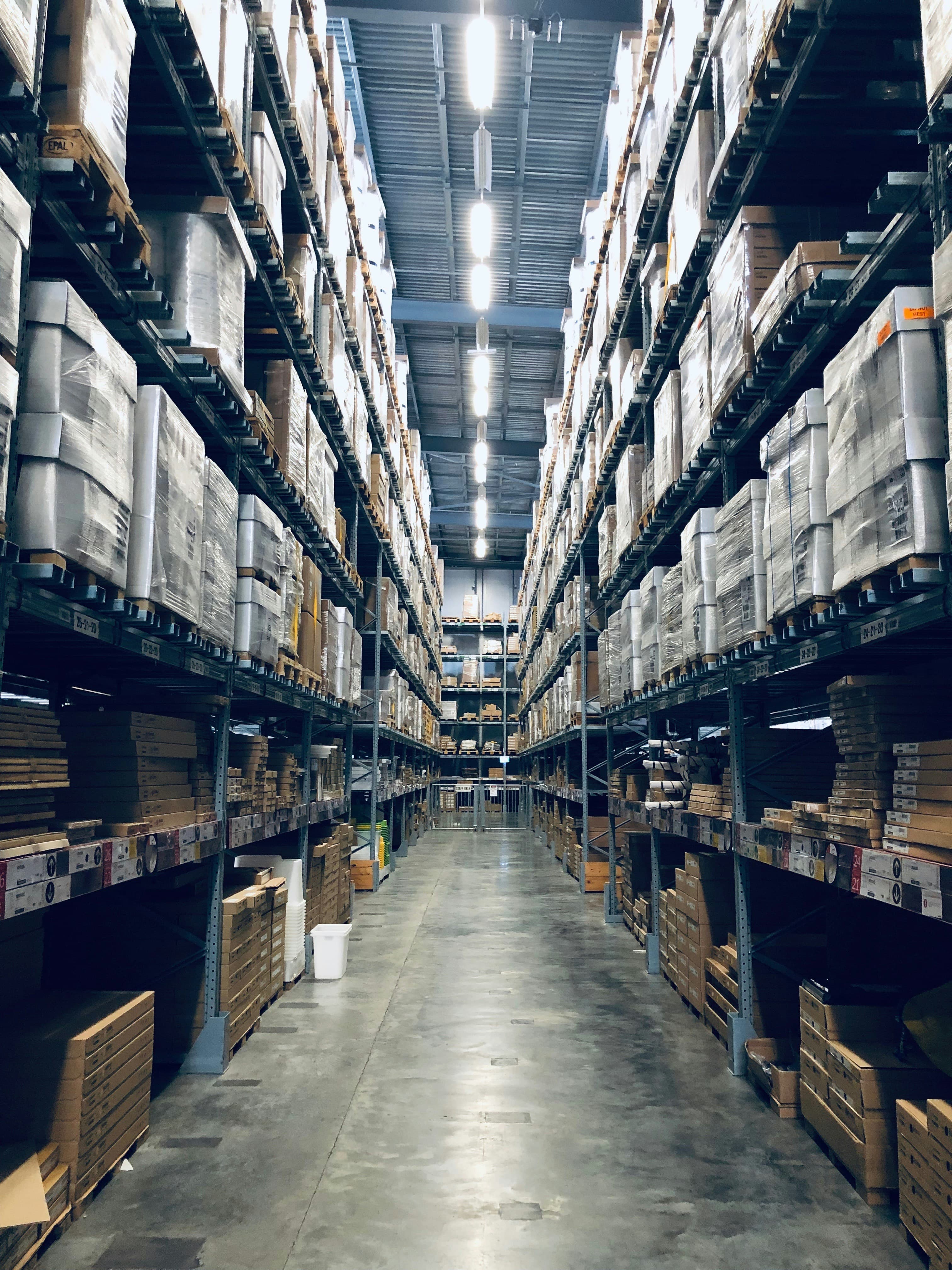
- Pallet-level flows — Pallet racking, forklift operations, pallet picking, layer picking, case-pack handling — not just each-pick e-commerce
- Retail routing guide library — Current routing guides maintained for major retailers (Walmart, Target, Costco, Amazon Vendor Central, Kroger, regional retailers) with operationalized updates
- GS1-128 label generation — SSCC-18 license plates, retailer-specific label templates, correct placement per routing guide
- OTIF / On-Time performance management — Carrier accountability, MABD tracking, proactive escalation, shipping cutoff enforcement
- Chargeback prevention — Pre-shipment validation, automated 856 from scan events, dedicated retail compliance monitoring
- Dedicated retail compliance team — Not pooled support; people who know retailer scorecards and dispute processes
- Multi-retailer experience — Demonstrated capability across multiple retail relationships, not just one
What's Usually Missing in E-commerce-Focused 3PLs
3PLs optimized for D2C e-commerce typically lack:
- Real EDI capability beyond basic integration
- Pallet operations (often case/each-pick only)
- Current routing guide knowledge for specific retailers
- Experienced retail compliance specialists
- Multi-retailer EDI integration depth
- Custom workflows for retail vendor requirements
Brands that try to do retail vendor fulfillment through D2C-focused 3PLs typically experience 3-5%+ chargeback rates, missed shipments, and OTIF performance below 90%.
California's Logistics Advantages for B2B
California's geographic and infrastructure position creates specific advantages for B2B operations:
Port Access
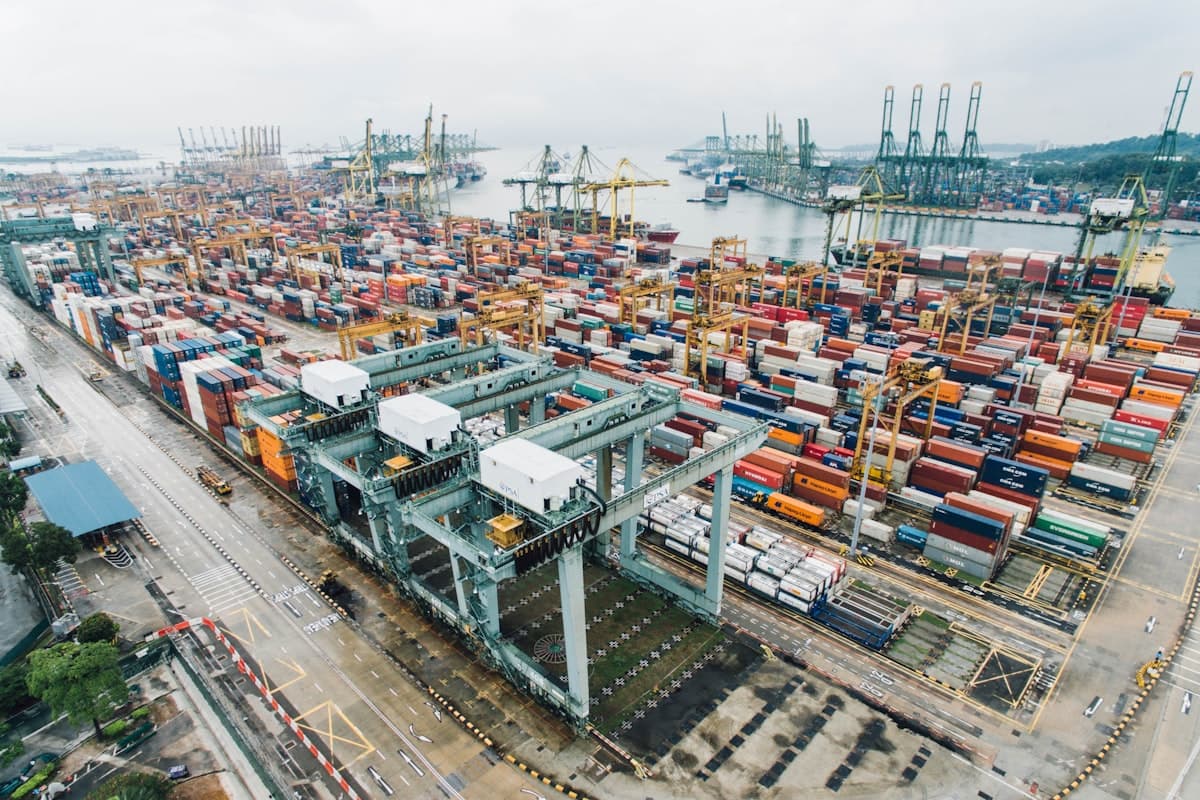
The Ports of Long Beach and Los Angeles together form the largest port complex in the Western Hemisphere, handling over 40% of US container imports. For B2B brands importing inventory from Asia:
- Container ships arrive at LA/LB before any other US port (East Coast routes are 1-2 weeks longer)
- Drayage from port to nearby LA warehouses runs $300-$600 per container
- Compared to East Coast routes via Panama Canal: 5-10 days transit time saved, similar drayage costs
- Compared to Inland Empire warehouses: $500-$1,000 less drayage per container
For high-volume importers (10+ containers monthly), port proximity adds up to $50K-$100K annual drayage cost savings.
Western US Distribution
LA-based fulfillment provides 1-2 day ground delivery to:
- Southern California — 31 million people within 100 miles
- Northern California, Nevada, Arizona, Utah — 50 million people within 2-day ground transit
- Pacific Northwest (Oregon, Washington) — 2-day ground transit
- Amazon FBA fulfillment centers across the Western US — same-day to next-day transit
For brands serving Western US customers or supplying Western US Amazon fulfillment centers, California fulfillment dramatically beats East Coast operations on shipping cost and transit time.
Freight Corridor Access
Direct access to the I-710 freight corridor (the most heavily-used freight corridor in the US) and proximity to the Alameda Corridor rail line for intermodal shipments to Chicago, Memphis, and East Coast destinations. This makes California a hub-and-spoke distribution point — receive inbound at port, distribute outbound to anywhere in the US.
Industry Concentration
The LA area has the highest concentration of consumer goods brands in the US — fashion, beauty, supplements, electronics, food and beverage. This means:
- 3PLs serving the area have deep vertical expertise
- Talent (warehouse operations, retail compliance specialists) is available
- Supplier networks for value-added services (packaging, kitting materials) are local
- Brand-to-3PL referrals happen organically through the LA business community
What to Look For in a California B2B 3PL
When evaluating California 3PLs for B2B operations, focus on these criteria:
Geographic Specifics
- Port proximity: How close to Port of Long Beach / Port of LA? Within 30 minutes is ideal for drayage cost and turnaround.
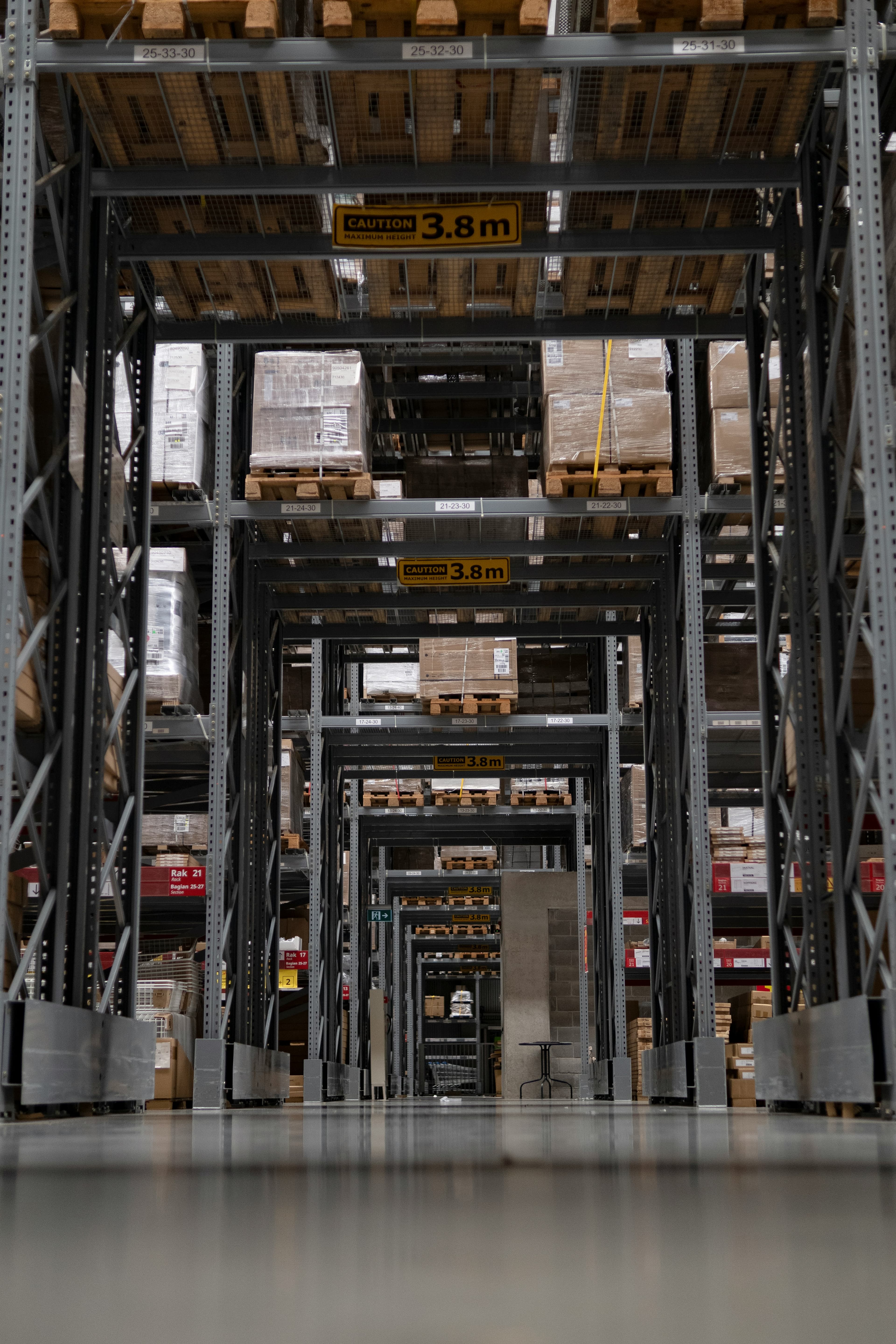
- Warehouse access: Multiple dock-high doors with levelers, adequate yard space for truck staging, 32+ foot ceiling for stack height
- Direct freeway access: I-710, I-405, I-110, I-5 access without complex routing
- Rail proximity: Within reach of Alameda Corridor for intermodal capabilities
Operational Capabilities
- B2B-specific infrastructure: Pallet racking (selective + deep-lane), forklift fleet, dedicated B2B workflows, retail compliance stations
- EDI implementation: Production EDI with major retailer trading partners, SPS Commerce or TrueCommerce VAN, AS2/SFTP capability
- Retail compliance: Routing guide library, GS1-128 label generation, OTIF performance management, chargeback dispute process
- Multi-channel capability: B2B + D2C + Amazon FBA from same inventory pool
- Value-added services: Kitting, assembly, branded packaging, labeling, returns processing
Scale and Tier
Pick the right tier for your business stage:
- Under $1M annual logistics spend: Look for Tier 3 mid-market 3PLs with B2B specialization
- $1M-$10M annual: Tier 3 upper or Tier 2 lower with dedicated capability
- $10M-$50M annual: Tier 2 with dedicated operations
- $50M+ annual: Tier 2 upper or Tier 1 enterprise contract logistics
Most California B2B brands fall in the Tier 3 range. See our contract logistics guide for tier differentiation.
Industry Specialization
Vertical expertise matters. Look for 3PLs with active experience in your specific industry:
- Cosmetics / Beauty: Retail-ready packaging, club-floor displays, multi-retailer compliance
- Supplements / Nutraceuticals: FDA-registered facility, lot tracking, expiration management
- Peptides / Pharmaceuticals: FDA-registered, cold chain capability, chain of custody documentation
- Food & Beverage: FDA/USDA certifications, temperature-controlled storage, food-grade handling
- Apparel / Fashion: GOH (Garments on Hanger), retail tagging, branded fulfillment
- Consumer Electronics: High-value handling, serial number tracking, returns/RMA processing
Service and Account Management
For B2B operations, dedicated account management matters more than transactional 3PLs typically provide:
- Named account manager (not pooled support)
- Monthly business reviews with KPI reporting
- Direct access to operations leadership for issues
- Quarterly strategic reviews
- Annual partnership reviews
Reference Customers
Ask for references from B2B clients with similar volume and operational complexity. Talk to current clients about:
- How they handle EDI implementation
- Chargeback rates and dispute support
- Response time for operational issues
- Scaling capacity as customer needs grew
- Account management quality
Common Mistakes Brands Make
Brands choosing California B2B 3PLs often fall into these traps:
Choosing Based on Price Alone
The cheapest 3PL is rarely the best B2B fit. Compliance failures from inadequate operations cost more than any price savings. Real B2B operations carry higher fixed costs (compliance specialists, EDI infrastructure, dedicated workflows) than pure D2C operations. Pricing should reflect operational sophistication, not be artificially low.
Choosing Based on Proximity Alone
The closest warehouse to your office isn't always the best B2B partner. Operational capability matters more than convenience for site visits. For ongoing operations, you'll interact with the 3PL through systems and account management, not by visiting the warehouse weekly.
Choosing D2C-Focused 3PLs for B2B Work
E-commerce fulfillment 3PLs that say "we can do B2B" often can't really do B2B at production scale. Specifically ask: how many active retail vendor clients do they have? What's their average chargeback rate? Can they show you an actual EDI 856 they generated? Without specific evidence, "B2B capability" is just marketing.
Underestimating Onboarding Complexity
B2B 3PL onboarding takes longer than D2C — EDI integration alone takes 2-4 weeks per retailer, plus operational workflow setup, dedicated team training, and parallel testing. Plan for 60-90 days from contract signing to stable operations.
Switching for the Wrong Reasons
If your current B2B 3PL has problems, fix them before switching. Many switches happen because of communication issues, not operational issues — those follow you to the new provider. Real reasons to switch: structural capacity limits, persistent compliance failures despite remediation, technology gaps that can't be addressed, geographic mismatch.
Where 3PLGuys Fits
3PLGuys operates from 250,000 sqft in Paramount, California — 15 minutes from the Port of Long Beach and 20 minutes from the Port of LA. We're a Tier 3 mid-market B2B 3PL with capabilities approaching Tier 2 for dedicated operations. Active retail vendor experience includes Walmart Vendor Central, Target (Vendor Central and Target Plus), Costco (including depot routing), Amazon Vendor Central, and regional retailers.
Our EDI integration covers the full B2B suite (850/856/810/940/945) via SPS Commerce, TrueCommerce, and direct AS2/SFTP. Industry specialization includes cosmetics, supplements, peptides (FDA-registered facility), consumer electronics, and food & beverage. We offer dedicated warehousing for brands at meaningful scale and contract logistics for multi-year B2B partnerships.
For brands at $1M-$50M annual revenue building B2B retail vendor operations on the West Coast, we're typically a strong fit. For Fortune 500 enterprise contract logistics or sub-$1M e-commerce-only operations, other tiers fit better.
Frequently Asked Questions
Why is California specifically good for B2B 3PL operations?
California's combination of port access (40% of US container imports), Western US population density (31M people in SoCal alone), Amazon FBA proximity, freight corridor access (I-710, Alameda Corridor), and industry concentration (consumer goods brand density) makes it the natural choice for B2B operations serving Western US markets or importing from Asia.
What's the difference between LA and Inland Empire 3PLs?
LA-based 3PLs are closer to ports (lower drayage costs) but typically have higher real estate costs reflected in storage rates. Inland Empire 3PLs have lower storage costs but $500-$1,000 more drayage per container plus longer transit times. For high-volume importers, LA proximity usually wins on total cost.
Do I need a California 3PL if my customers are East Coast?
Not necessarily. For East Coast-heavy customer bases, East Coast fulfillment provides faster delivery and lower shipping costs to East Coast destinations. California works for East Coast customers but adds 2-3 days transit and higher shipping costs. Many brands run bi-coastal operations — California for West and Central US, East Coast for East Coast.
How long does B2B 3PL onboarding take in California?
Standard B2B onboarding takes 60-90 days from contract signing to stable operations. Timeline: discovery/planning (week 1-2), facility design/slotting (week 3-4), WMS configuration (week 4-6), EDI integration per retailer (2-4 weeks each), workflow training (week 7-9), test orders (week 9-11), phased go-live (week 11-13). Complex multi-retailer setups may extend to 4-5 months.
What does California B2B 3PL cost?
Pricing varies by volume and complexity. Typical components: storage ($18-$35 per pallet per month for ambient selective racking), inbound receiving ($15-$40 per pallet or per container), pick/pack/ship (per-unit based on order profile), EDI transaction fees (typically passed through at cost from VAN), and value-added services. Total monthly cost for a moderate B2B operation might run $5K-$50K+ depending on scale.
Can the same California 3PL handle Amazon FBA prep too?
Yes. Many California B2B 3PLs (including 3PLGuys, as an Amazon SPN partner) handle Amazon FBA prep alongside B2B operations. From a single inventory pool, the 3PL can fulfill B2B orders to retailers, prep FBA inventory for Amazon, and ship D2C orders directly to customers. Omnichannel capability is increasingly standard.
Are California 3PL operations affected by port congestion?
Yes, periodically. Port of Long Beach and Port of LA experience congestion during peak import seasons (typically Q3) and during macroeconomic events. Good 3PLs mitigate this through: drayage partnerships for capacity assurance, alternative port routings when needed (Oakland, Seattle), and proactive customer communication. Container delays at port affect all California 3PLs equally — the differentiator is how they handle communications and contingencies.
Should I do a facility visit before choosing?
For B2B engagements at meaningful scale, yes. Facility visits help validate operational claims, observe actual operations, meet the team that will service your account, and identify any concerns not visible in marketing materials. Most California 3PLs welcome qualified prospect visits. For lower-volume engagements, video walkthroughs may suffice.